What to Do in Thailand: 15 Unforgettable Places to Visit and Why They Matter
Updated September 2026: This guide has been reviewed and refreshed with additional destinations, practical travel ideas and updated links to help you plan a wider Thailand trip.
Thailand is difficult to reduce to a single type of holiday. Bangkok feels completely different from Chiang Mai, the islands of the south offer another world again, and places such as Sukhothai, Kanchanaburi and Isaan reveal parts of the country many first-time visitors never see.
If you’re wondering what to do in Thailand or trying to decide which places deserve a place in your itinerary, these 15 destinations offer a useful starting point — from major cities and historic capitals to beaches, islands, mountains and national parks.
You don’t need to visit them all. The aim is to help you understand how different Thailand can feel from one region to another, and choose the places that best match the kind of trip you want.
Quick Summary
Thailand offers very different experiences depending on where you go — from Bangkok’s city energy and northern temples to southern islands, historic capitals and national parks. This guide highlights 15 places worth considering, with a mix of culture, beaches, nature, food and slower travel.
| Best for | Where to consider |
|---|---|
| First-time city experience | Bangkok |
| Temples and northern culture | Chiang Mai, Chiang Rai |
| History | Ayutthaya, Sukhothai, Kanchanaburi |
| Mountains and slower travel | Pai |
| Easy coastal escape | Pattaya, Hua Hin |
| Beaches and islands | Phuket, Krabi, Koh Samui, Koh Tao |
| Nature and rainforest | Khao Sok National Park |
| Local culture and food | Isaan |
1. Bangkok – Chaos, Culture & the Chao Phraya
Bangkok is usually where a first trip to Thailand begins — and it doesn’t ease you in gently.
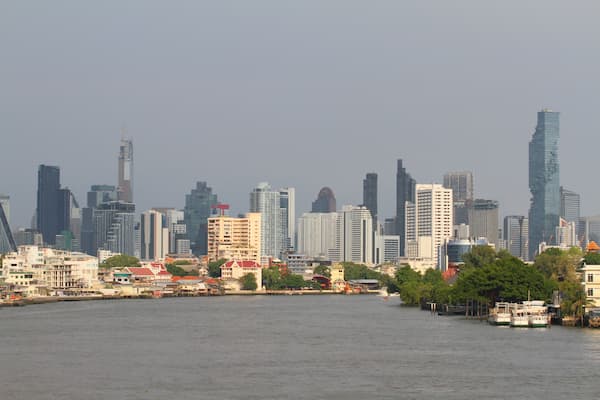
The capital is a mix of temples, markets, rooftop bars, shopping malls, street food and river life, often all competing for your attention at once. Start with major landmarks such as the Grand Palace, Wat Pho and Wat Arun, then spend some time along the Chao Phraya River, where ferries and long-tail boats give you a completely different view of the city.
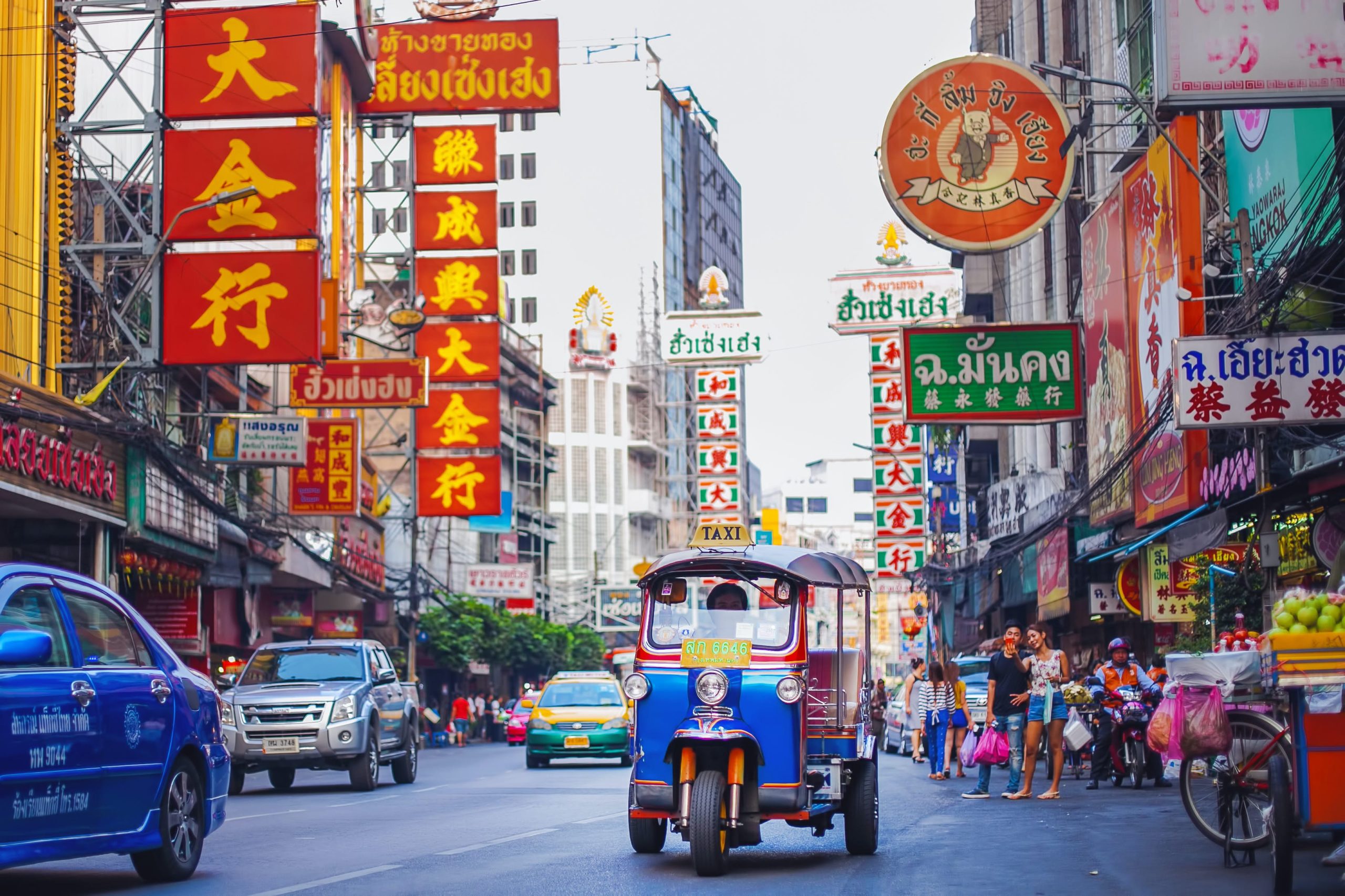
Bangkok is also one of the best places in Thailand to simply wander. Explore Chinatown after dark, browse local markets, stop for food when something smells good, and leave room for the city to surprise you.
For many travellers, Bangkok can feel overwhelming at first. Give it a little time and it often becomes one of the most memorable parts of the trip.
2. Chiang Mai – Temples, Treks & Tranquility
Chiang Mai offers a completely different rhythm from Bangkok.
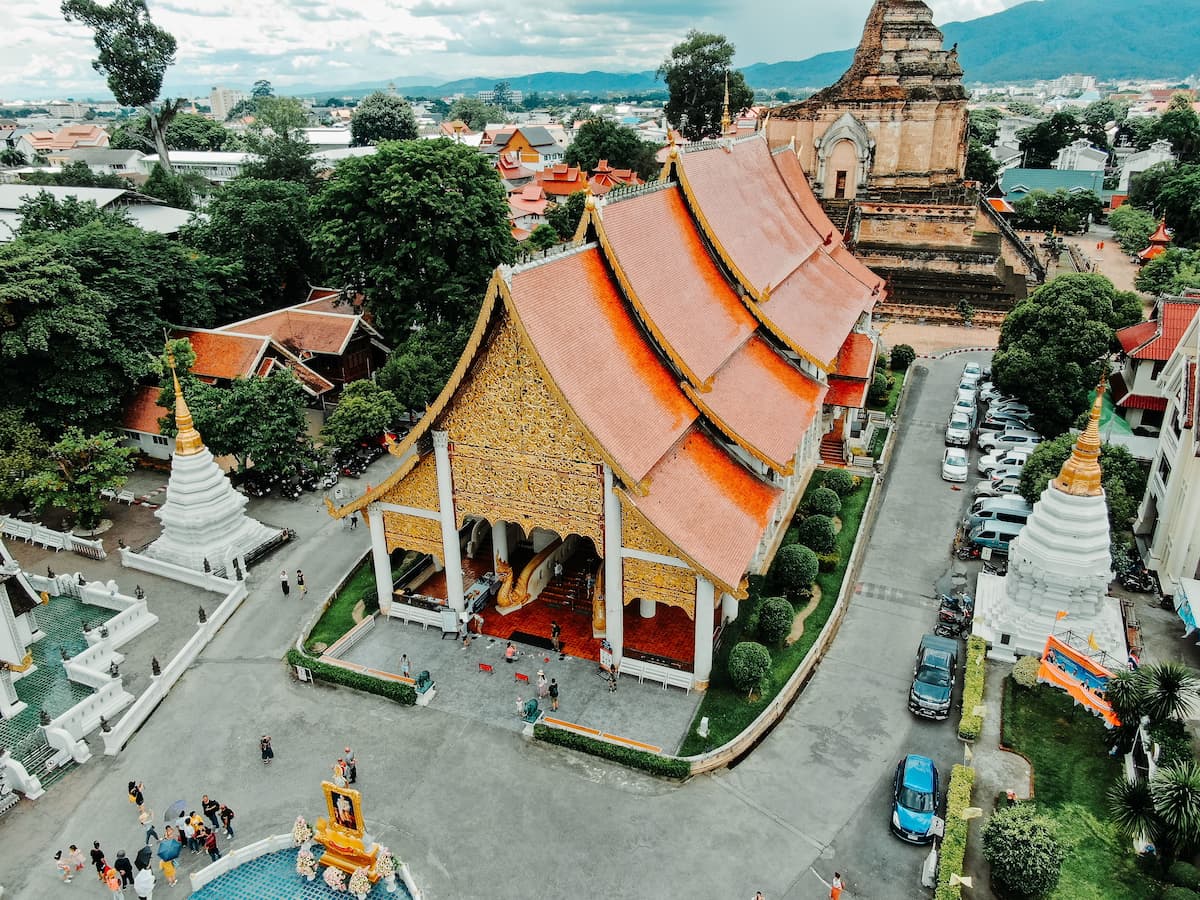
Surrounded by mountains in northern Thailand, the city is known for its historic temples, night markets, cafés and easy access to nature. Within the old city, you can spend hours walking between temples such as Wat Chedi Luang and Wat Phra Singh, while Wat Phra That Doi Suthep looks out across the city from the mountain above.
Beyond the centre, Chiang Mai is a good base for exploring waterfalls, mountain roads, rural villages and national parks. Many travellers also use it as a starting point for trekking and outdoor activities in northern Thailand.
The city has enough restaurants, markets and things to do to stay interesting, but it rarely feels as intense as Bangkok. That balance is a big part of its appeal.
If you want culture, food and access to the mountains without giving up the convenience of a major city, Chiang Mai is one of Thailand’s strongest all-round destinations.
3. Chiang Rai – Surreal Art & Hill Tribe Trails
Chiang Rai feels quieter and more spread out than Chiang Mai, but it has some of northern Thailand’s most distinctive sights.
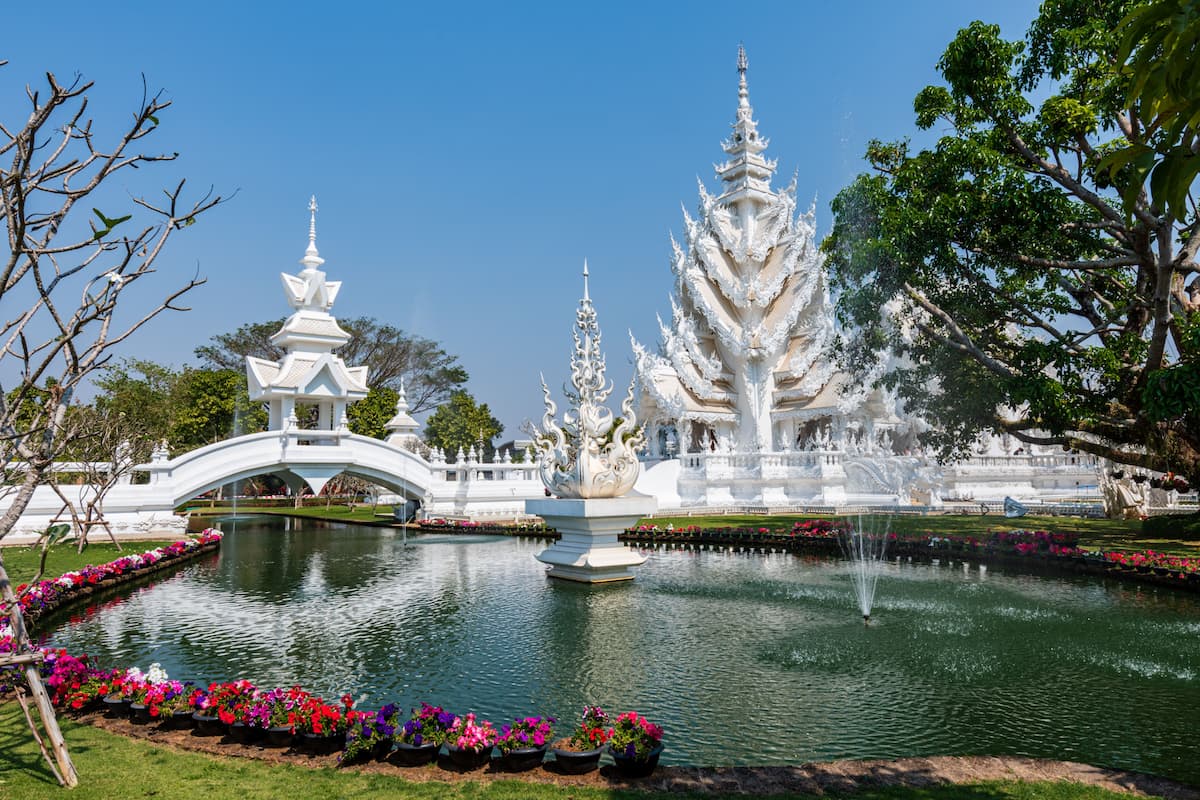
The city is best known for the extraordinary White Temple (Wat Rong Khun), but that is only part of the story. The Blue Temple (Wat Rong Suea Ten) and Baan Dam Museum, often called the Black House, show just how creative and unconventional the region’s modern art and architecture can be.
Chiang Rai is also a useful base for exploring the far north, where mountain scenery, tea plantations and smaller towns give the area a very different character from central or southern Thailand.
Many travellers visit as a short extension from Chiang Mai, but it deserves more than a rushed stop if you have the time.
If Chiang Mai is the more rounded northern city, Chiang Rai is the one that feels a little more unexpected.
4. Ayutthaya – Temples Lost in Time
Once the capital of the Kingdom of Siam, Ayutthaya is one of Thailand’s most important historic destinations.
The old city is filled with temple ruins, weathered Buddha images and crumbling chedis that hint at the scale of the kingdom that once stood here. Highlights include Wat Mahathat, famous for the Buddha head entwined in tree roots, Wat Phra Si Sanphet, and Wat Chaiwatthanaram beside the river.
Ayutthaya works well as a day trip from Bangkok, but staying overnight gives you more time to explore when the tour groups thin out and the ruins feel much quieter.
You can get around the historical park by bicycle, tuk-tuk or hired car, and a river cruise can give you a different perspective on the temples and old city.
If you want to understand Thailand beyond its beaches and modern cities, Ayutthaya is one of the easiest places to connect with the country’s past.
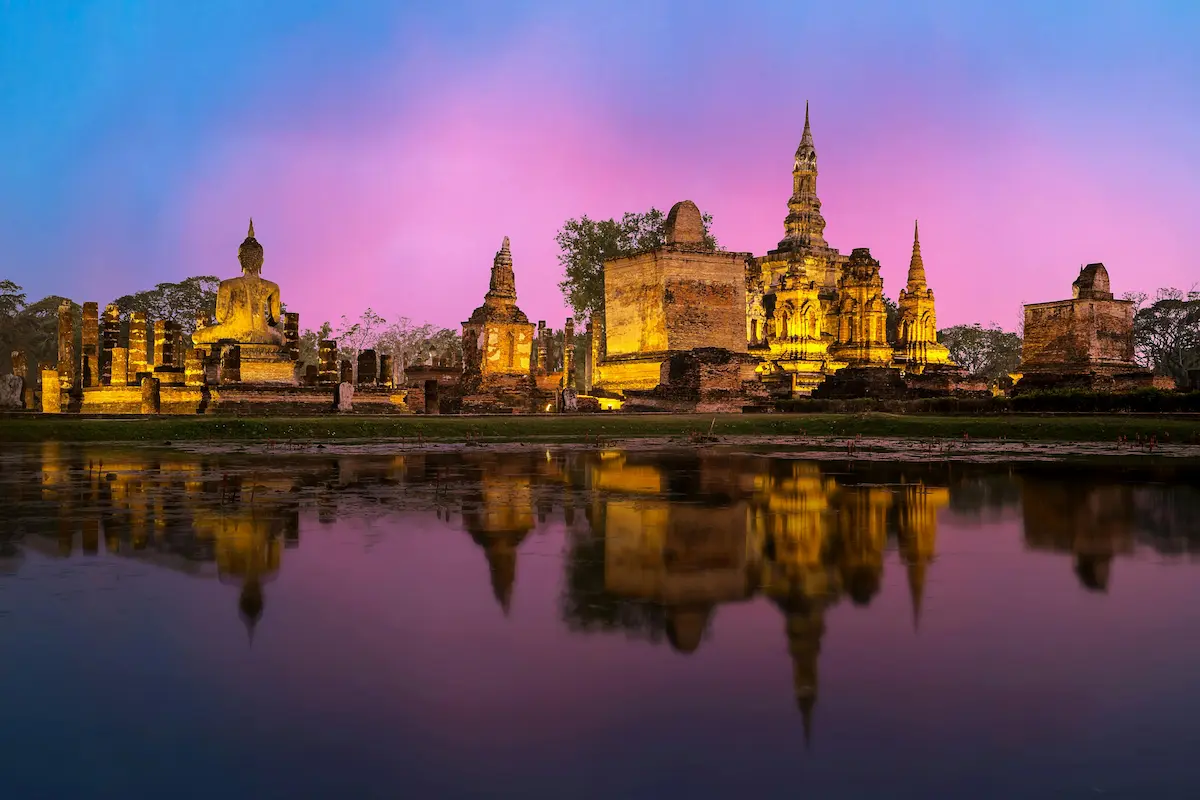
5. Sukhothai – The Kingdom Where It All Began
If Ayutthaya feels dramatic, Sukhothai feels more peaceful.
The ancient capital is centred around Sukhothai Historical Park, where temple ruins, lotus ponds, Buddha images and old city walls are spread across a broad, open landscape. It is one of those places that rewards slow exploration rather than rushing from one monument to the next.
Renting a bicycle is one of the easiest ways to move between the main sites, especially in the early morning or late afternoon when the light is softer and the heat is less intense.
One of the most memorable stops is Wat Si Chum, where a massive seated Buddha appears between narrow temple walls. Other highlights include Wat Mahathat and the quieter ruins scattered beyond the central zone.
Sukhothai is less convenient than Ayutthaya, but that is part of the appeal. It feels calmer, less crowded and more reflective.
If you enjoy history but prefer space and atmosphere over busy sightseeing, Sukhothai is one of Thailand’s most rewarding cultural stops.
6. Pai – Mountain Views, Cafés & a Slower Pace
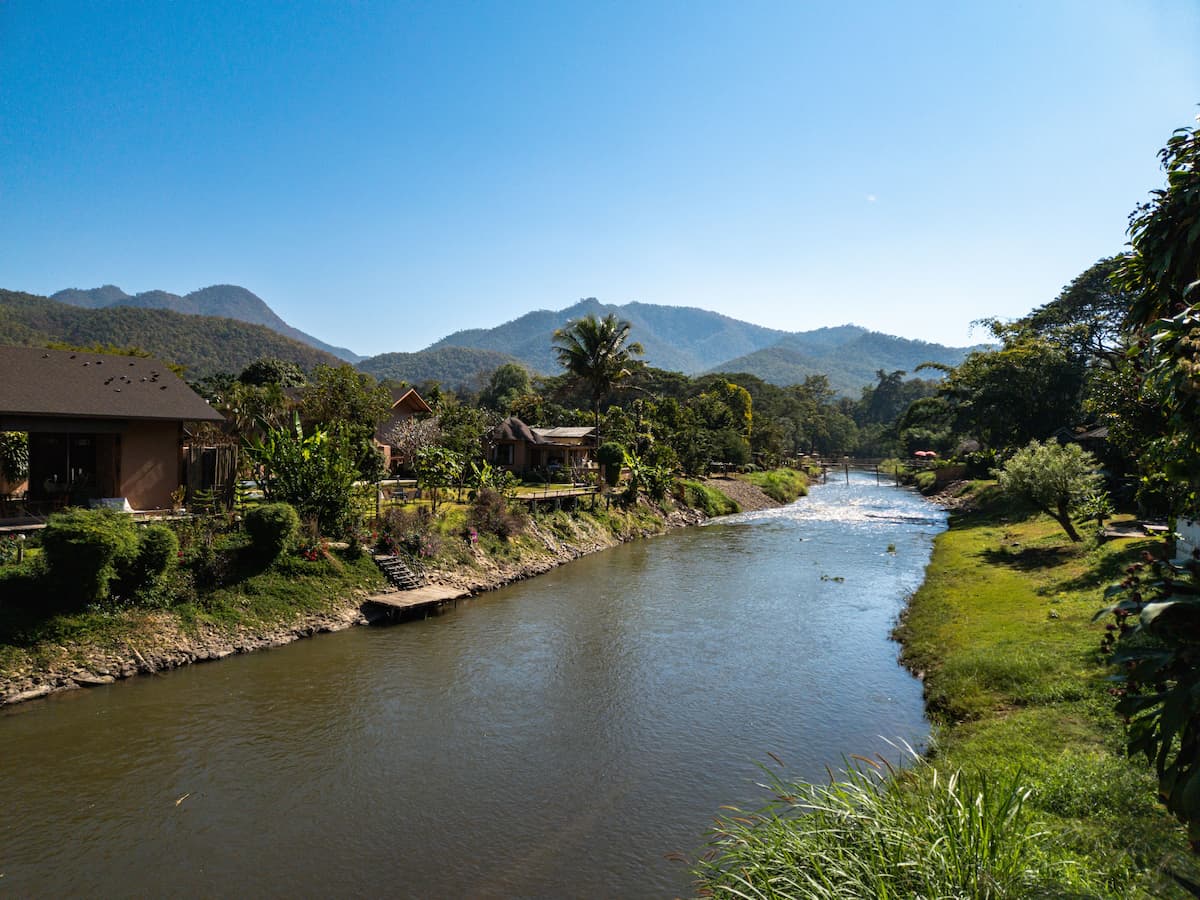
Tucked into the mountains of northern Thailand, Pai has built its reputation around scenery, cafés and a slower style of travel.
The road from Chiang Mai is famously winding, but once you arrive the town feels compact and easygoing. Pai Walking Street becomes the centre of things in the evening, with food stalls, small bars and shops, while the surrounding countryside is where Pai really earns its place on a Thailand itinerary.
Popular stops include Pai Canyon, nearby hot springs and Boon Ko Ku So Bamboo Bridge, which stretches across rice fields outside town. The area is also dotted with viewpoints, waterfalls and small cafés that make it easy to spend a day exploring without much of a plan.
Pai is still popular with backpackers, but it also suits couples, solo travellers and anyone looking for a few quieter days between larger destinations.
If you enjoy mountain scenery, relaxed evenings and the freedom to slow your itinerary down, Pai is an easy place to linger.
7. Kanchanaburi – Rivers, Rails & Remembrance
Kanchanaburi combines some of Thailand’s most moving wartime history with rivers, waterfalls and a much slower pace than Bangkok.
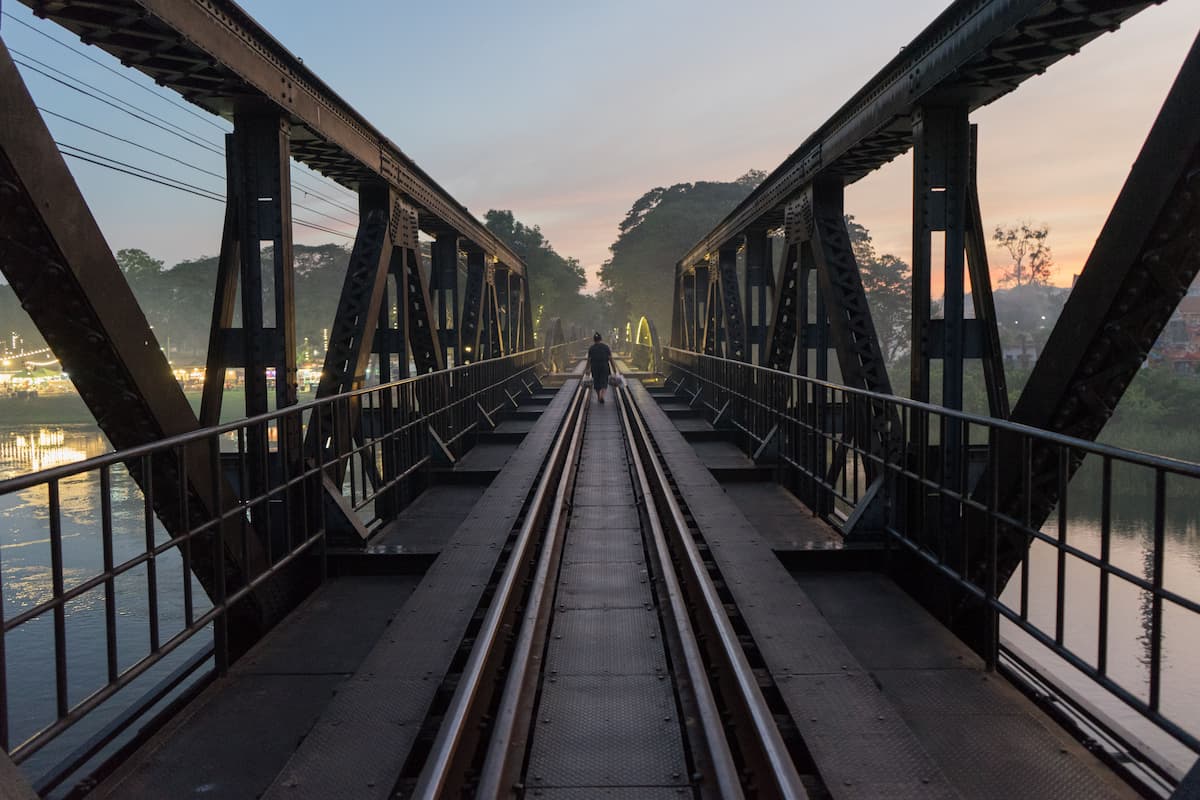
The area is best known for the Bridge over the River Kwai and the Death Railway, built during the Second World War under brutal conditions by Allied prisoners of war and Asian labourers. Sites such as the Kanchanaburi War Cemetery and nearby museums help give that history the context it deserves.
But Kanchanaburi is not only about remembrance.
A trip to Erawan National Park brings you into a completely different landscape, with jungle trails and a series of limestone waterfalls where swimming is possible in designated areas. The province is also known for riverside stays, floating accommodation and scenic stretches of the Kwai Noi and Khwae Yai rivers.
Kanchanaburi works especially well for travellers who want a destination with both historical depth and access to nature.
It is easy to visit from Bangkok, but staying for a night or two gives the place much more room to breathe.
8. Pattaya – Beach Life Beyond the Nightlife
Pattaya has a reputation that still revolves heavily around nightlife, but the city has become much broader than that image suggests.
Located within easy reach of Bangkok, Pattaya offers beaches, restaurants, shopping, family attractions and convenient access to nearby islands. Jomtien Beach is generally more relaxed than central Pattaya, while boats to Koh Larn make it easy to add clearer water and a more tropical beach day to your stay.
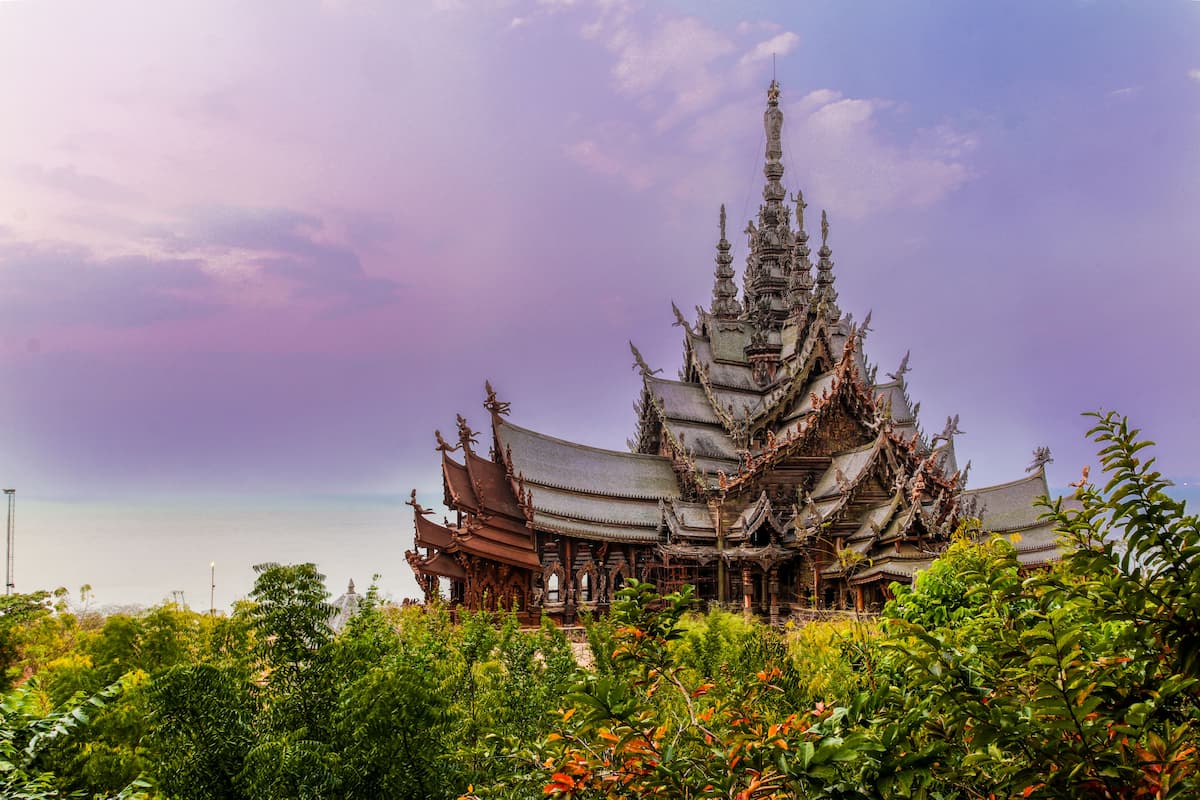
One of the city’s standout sights is the Sanctuary of Truth, a vast wooden structure overlooking the sea and filled with elaborate carved detail. Pattaya also works well for travellers who enjoy resort hotels, rooftop bars, spas and a wide choice of places to eat.
The nightlife is still part of Pattaya’s identity, but it no longer defines the entire destination.
If you want a coastal break that is easy to reach from Bangkok and offers plenty to do without relying on island travel, Pattaya remains one of Thailand’s most convenient options.
9. Phuket – The Andaman All-Rounder
Phuket is one of Thailand’s most versatile destinations.
The island is best known for beaches and nightlife, but there is far more to it than Patong. Old Phuket Town adds history, architecture and food; Wat Chalong remains one of the island’s most important temples; and the coastline ranges from busy resort beaches to much quieter stretches.
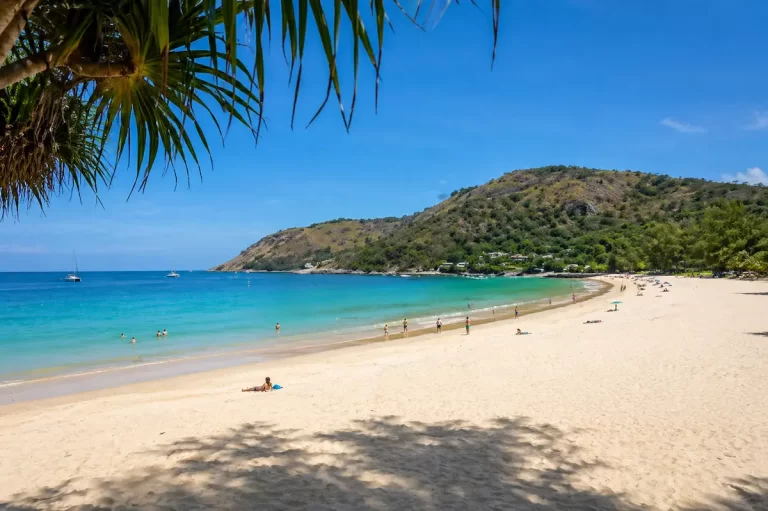
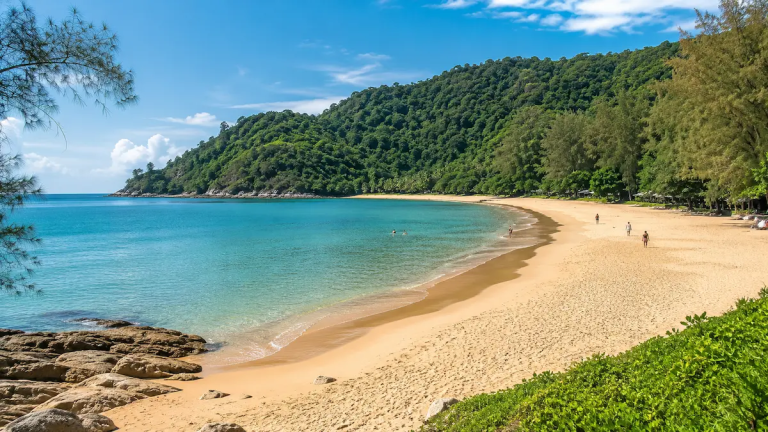
For a more relaxed beach stay, areas such as Kata Noi, Nai Harn and parts of northern Phuket offer a very different experience from the island’s busier centres. Phuket is also a major base for day trips to Phi Phi, Phang Nga Bay, nearby islands and marine parks.
That variety is Phuket’s real strength.
You can build a holiday around beaches, food, nightlife, culture, family activities, boat trips or a mix of everything without needing to change destinations constantly.
If you want one place that can deliver several different versions of Thailand in the same trip, Phuket is one of the easiest choices.
10. Krabi – Cliffs, Coves & Kayaks
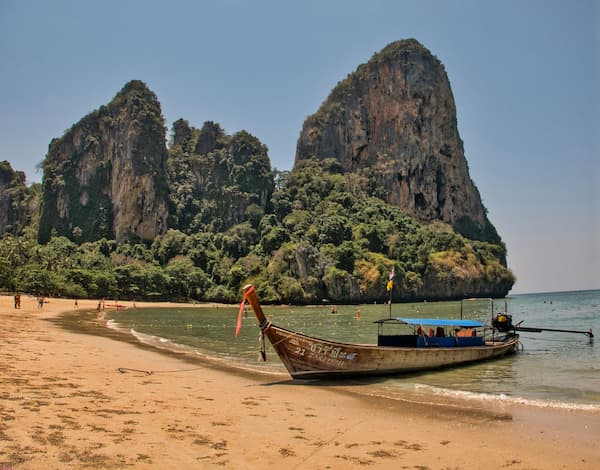
Krabi is one of southern Thailand’s most visually dramatic regions.
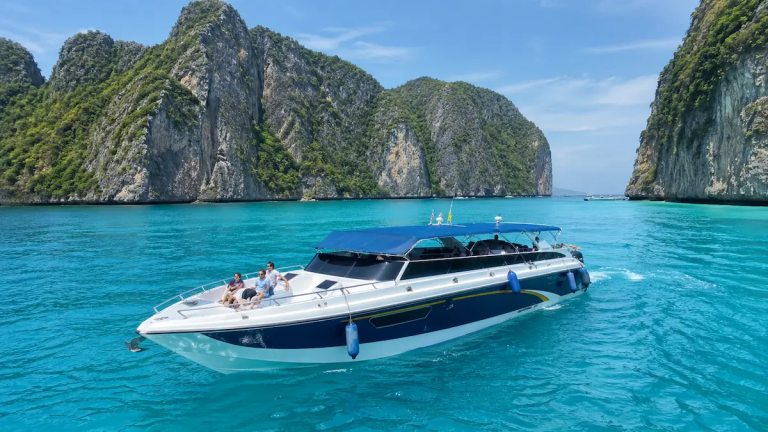
Towering limestone cliffs, jungle-covered islands and sheltered bays give the province a very different feel from Phuket. Ao Nang is the most convenient base for many visitors, while Railay Beach feels more isolated and is reached by boat.
Krabi is particularly strong for island hopping and outdoor activities. Trips to the Hong Islands, Chicken Island and Koh Poda combine beaches, snorkelling and striking coastal scenery, while kayaking through mangroves offers a quieter way to explore.
Inland, places such as the Emerald Pool, hot springs and Tiger Cave Temple add another layer to the destination.
Krabi suits travellers who want beaches and islands but prefer a slightly more nature-focused atmosphere than a large resort island.
If dramatic scenery is high on your list, Krabi is one of the easiest places in Thailand to fall for.
11. Koh Samui – Island Comfort with Plenty of Variety
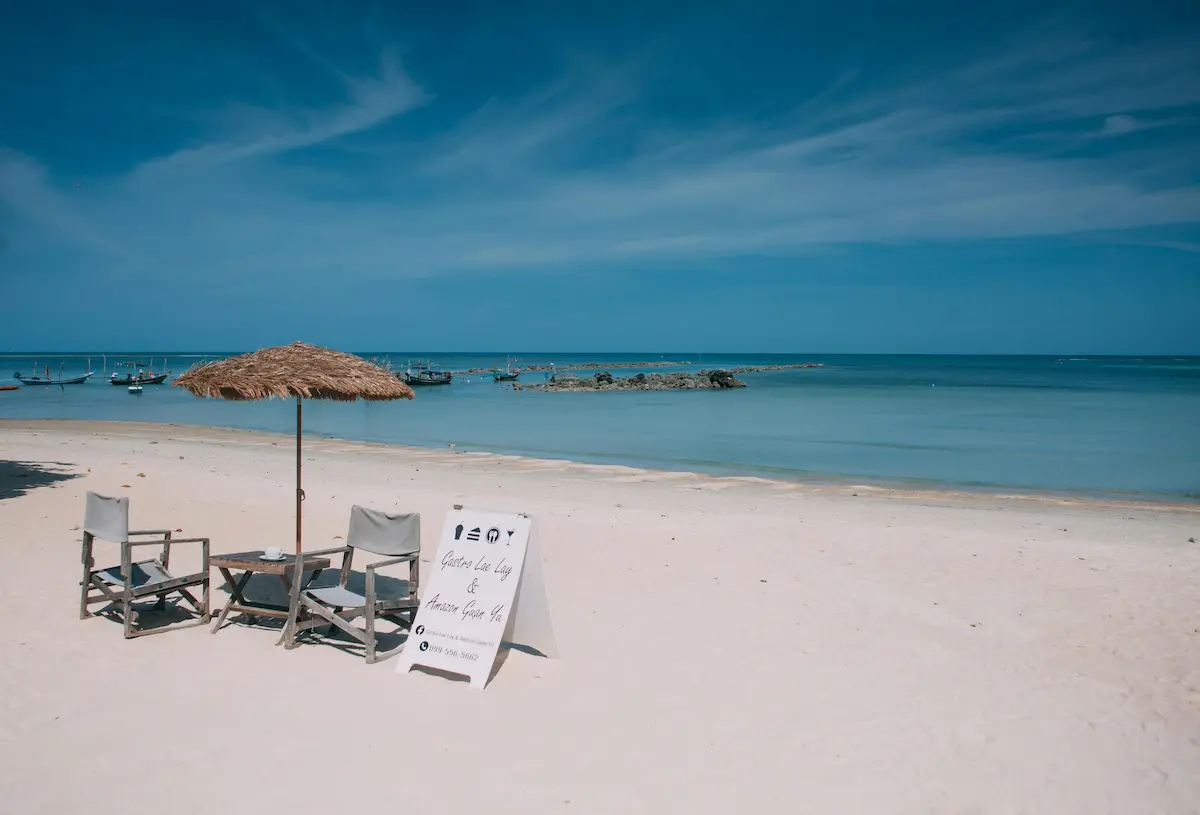
Koh Samui is one of Thailand’s easiest islands to enjoy because it combines beaches, resorts, restaurants and day trips without feeling like you need to rough it.
The island has a broad mix of areas. Chaweng is the liveliest, Lamai feels more relaxed, and smaller beaches such as Silver Beach offer a quieter escape. Inland, temples, waterfalls and viewpoints give you plenty to do away from the sand.
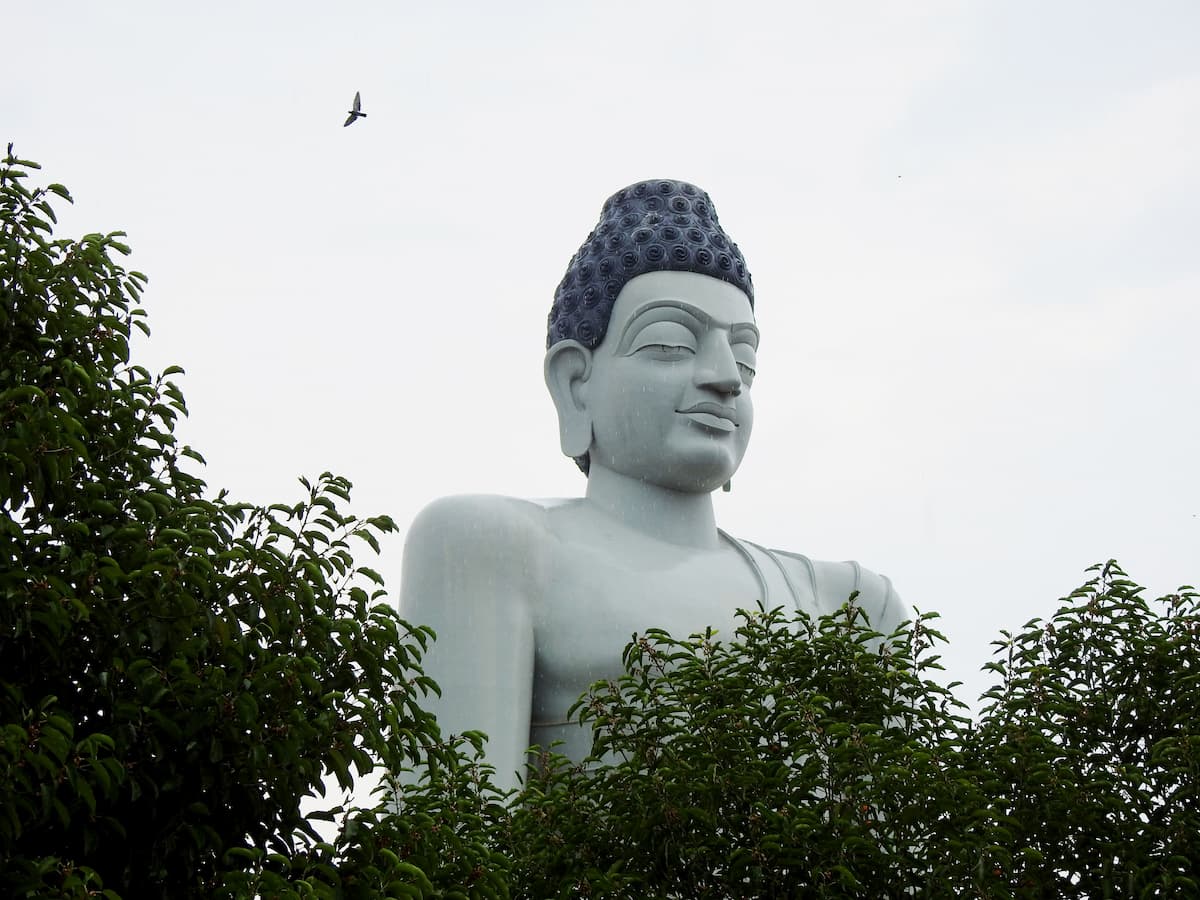
Two of the island’s best-known cultural stops are Wat Phra Yai, home to the Big Buddha, and Wat Plai Laem, with its colourful statues and lakeside setting.
Koh Samui is also a strong base for a boat trip to Ang Thong National Marine Park, where limestone islands, viewpoints, kayaking and snorkelling create one of the Gulf of Thailand’s standout day trips.
12. Koh Tao – Diving, Snorkelling & Island Life
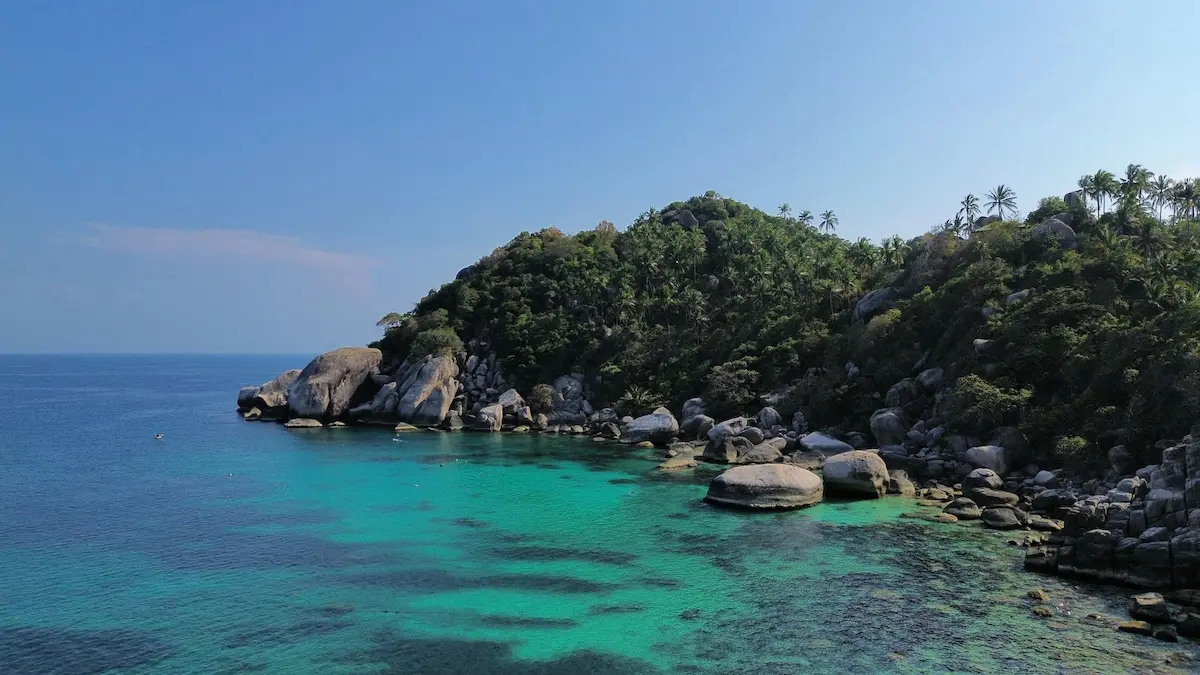
Koh Tao is smaller and more laid-back than Koh Samui, but it has built a huge reputation around the sea.
The island is one of Thailand’s best-known places for learning to dive, with plenty of dive schools, sheltered bays and easy access to coral reefs. Even if you don’t want to scuba dive, snorkelling is a major part of the experience.
Popular spots include Ao Leuk, Shark Bay and Sai Nuan Beach, while viewpoints such as John-Suwan Viewpoint give you a completely different perspective from above.
Koh Tao also has a quieter, more intimate feel than Thailand’s larger resort islands. Evenings tend to revolve around beach bars, casual restaurants and sunset rather than big-city nightlife.
13. Isaan – Thailand’s Northeast Beyond the Tourist Trail
Isaan covers much of northeastern Thailand and offers one of the clearest contrasts with the country’s major resort areas.
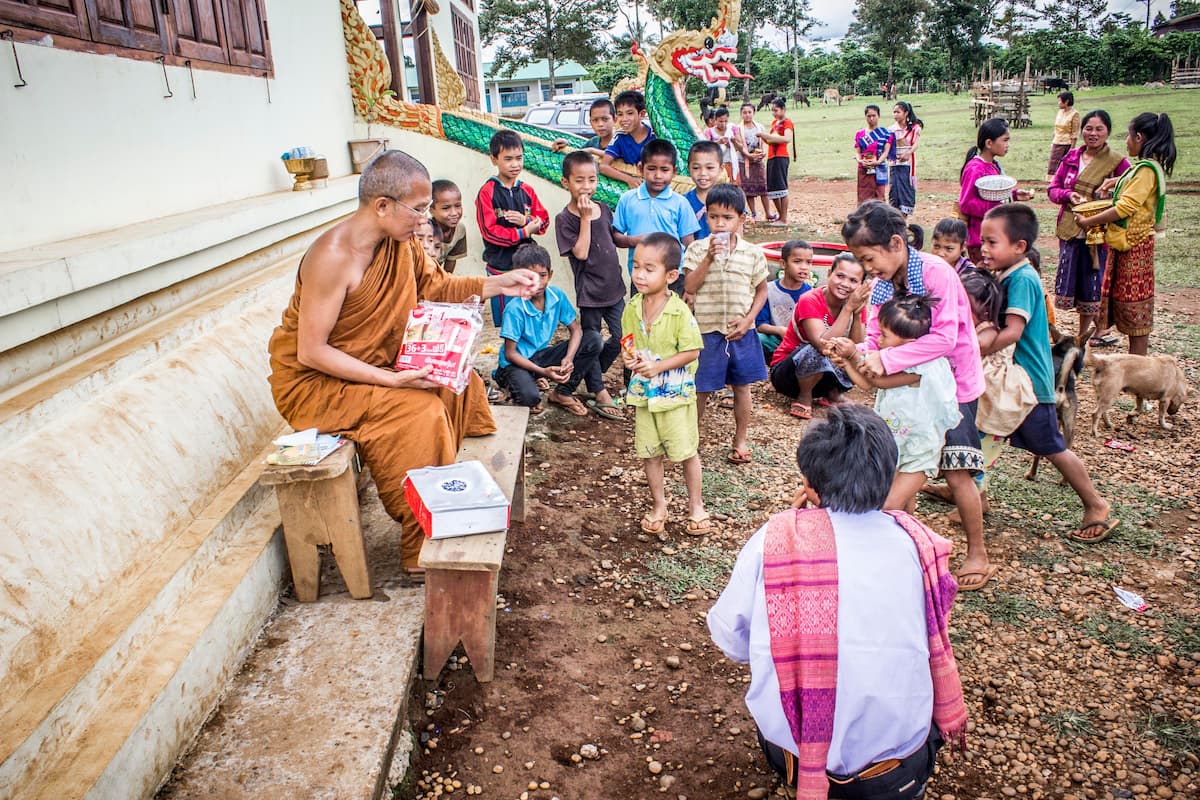
Instead of beach towns and island hopping, you’ll find rice fields, regional cities, Khmer ruins, local markets and a food culture that has shaped dishes now eaten across Thailand.
Historic sites such as Phanom Rung and Prasat Hin Muang Tam reveal the region’s Khmer heritage, while festivals such as the Bun Bang Fai rocket festival show a completely different side of Thai culture.
Food is a huge part of the experience. Sticky rice, grilled meats, larb and som tam are all closely associated with the northeast, and eating locally is one of the best ways to understand the region.
Isaan suits travellers who are more interested in culture, food and everyday life than resort infrastructure.
It takes more time and planning than the usual Bangkok–Chiang Mai–islands route, but that is exactly why it can feel so rewarding.
14. Khao Sok National Park – Rainforest, Lakes & Limestone Cliffs
Khao Sok National Park offers a completely different version of southern Thailand.
Instead of beaches and resort towns, you get dense rainforest, towering limestone formations, rivers and the huge expanse of Cheow Lan Lake. The scenery can feel almost prehistoric in places, especially early in the morning when mist hangs over the water.
Visitors come for jungle walks, canoeing, wildlife spotting and boat trips across the lake. Staying near the water or in one of the floating raft-house areas can turn the visit into something much more memorable than a quick day trip.
Khao Sok also works well as a stop between Thailand’s Gulf and Andaman coasts, making it useful for travellers building a longer southern Thailand itinerary.
If you want to add serious nature to a beach-heavy trip, Khao Sok is one of the strongest choices in the country.
15. Hua Hin – A Relaxed Seaside Escape from Bangkok
Hua Hin is one of Thailand’s easiest coastal escapes if you want beach time without heading deep into the south.
The town has a long beachfront, seafood restaurants, night markets, golf courses and a more relaxed resort atmosphere than places such as Pattaya or Patong. It is also close enough to Bangkok to work well as a short break or as part of a wider central Thailand itinerary.
Hua Hin Beach is the obvious starting point, while Khao Takiab adds temples, viewpoints and a quieter stretch of coastline to the south. The surrounding area also opens the door to national parks, waterfalls and smaller coastal communities.
Hua Hin is not as dramatic as Phuket or Krabi, but that is part of the appeal.
If you want an easy-going beach destination with good infrastructure and fewer big-ticket distractions, Hua Hin is a very comfortable choice.
What I’ve Learned About Exploring Thailand
One of the things I’ve learned from spending time in Thailand is that the places that stay with you are not always the ones you expected to love most.
The famous destinations deserve their reputation, but Thailand becomes much more interesting when you leave room for the places between them — a local market, an unexpected temple, a small restaurant, a quiet beach or a neighbourhood you only discovered because you took the wrong turn.
You don’t need to see all 15 places in one trip. In fact, trying to do that would probably make the journey worse.
Choose the part of Thailand that suits the kind of holiday you want, give yourself enough time to experience it properly, and leave something for the next visit.ontinue Your Journey with Us
Thailand Travel FAQ
What are the best places to visit in Thailand for a first trip?
For many first-time visitors, a combination of Bangkok, Chiang Mai and one southern beach or island destination gives a good introduction to the country. That mix covers city life, culture, food, mountains and the coast without trying to see too much at once.
How many places should I visit in Thailand?
That depends on the length of your trip, but fewer destinations usually make for a better experience. Changing hotels every day or two can turn the holiday into a transport schedule. It is usually better to choose a smaller number of places and give yourself time to actually enjoy them.
Is northern or southern Thailand better?
They offer very different experiences. Northern Thailand is stronger for mountains, temples, historic cities and cooler-season travel, while southern Thailand is best known for beaches, islands and marine scenery. If you have enough time, combining both gives you a much broader view of the country.
Where should I go in Thailand if I don’t want nightlife?
There are plenty of good options. Sukhothai, Kanchanaburi, Khao Sok, Hua Hin, Chiang Rai and quieter parts of Chiang Mai can all work well. Even destinations known for nightlife, such as Phuket or Pattaya, have much calmer areas away from their main entertainment zones.
Is Thailand worth visiting more than once?
Absolutely. Thailand changes a lot from region to region, so a second trip can feel completely different from the first. One visit might focus on Bangkok and the islands, while another could explore the north, Isaan or historic central Thailand.
Continue Exploring Thailand
Because the broader Thailand category is still fairly small, I’d keep this section focused and only send readers to genuinely useful published follow-ons.
Thailand Etiquette for Tourists
Learn the cultural basics, everyday manners and practical etiquette that can make travelling around Thailand easier and more respectful.
Complete Guide to Thailand’s Islands
If the islands are likely to be a major part of your trip, this guide helps you compare Thailand’s different island options and decide which ones suit you best.
Thai Food in Phuket Guide
Food is a huge part of travelling in Thailand, and this guide is a good next step if Phuket or southern Thailand is on your itinerary.
Want Help Choosing Where to Go in Thailand?
Thailand can feel like several different countries rolled into one — mountains and historic cities in the north, beach and island regions in the south, major urban centres, quieter provincial areas and everything in between.
If you are still deciding which part of Thailand best suits the kind of trip you want, our sister travel resource Travel With Insight takes a more detailed look at the country by region.
Where to Go in Thailand: Choosing the Right Region for Your Trip →
Final Thoughts: What to Do in Thailand? Follow Your Curiosity
Thailand is the kind of country that rewards curiosity.
The famous places are worth seeing, but some of the best memories often come from the moments between them — a market you did not plan to visit, a temple you found by accident, a small restaurant, a quiet beach or a conversation that changed the direction of your day.
You do not need to see everything in one trip.
Choose a few places that suit the kind of experience you want, give yourself enough time to enjoy them properly, and leave something for the next visit.
Thailand has a habit of giving people a reason to come back.
About David Hibbins
David Hibbins is a travel writer based in Thailand who writes about destinations, culture and the everyday experiences that shape a journey through Southeast Asia.
His guides combine practical travel information with first-hand observations from living and travelling in the region.