Why Patong Became Famous: From Hidden Bay to Phuket’s Tourism Capital
Introduction
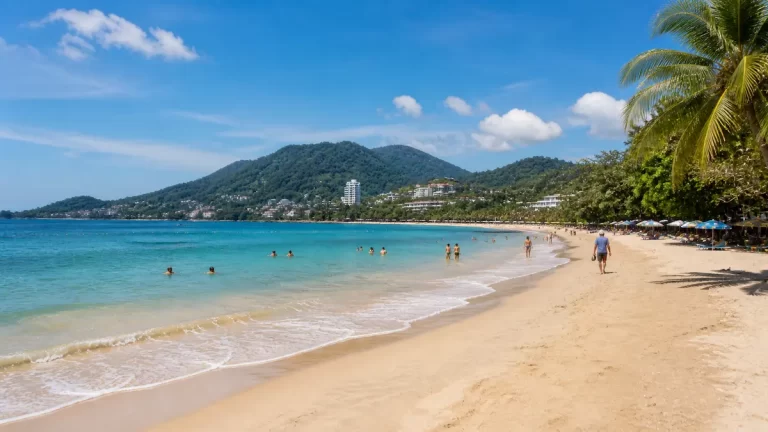
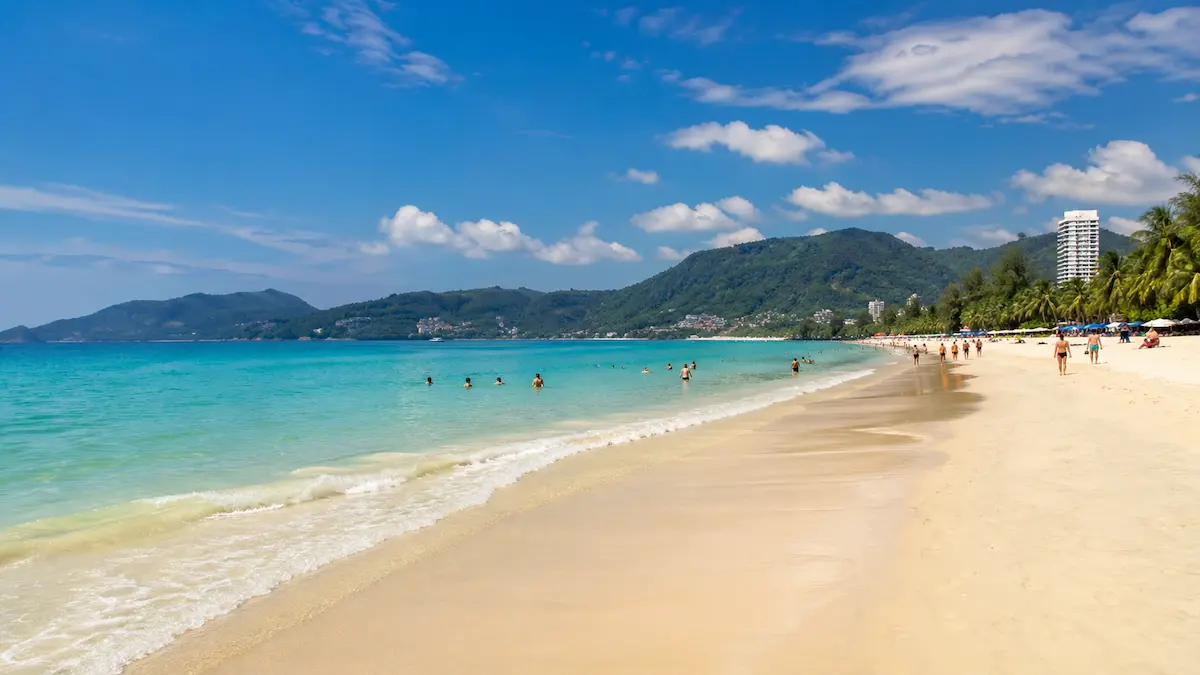
Today, Patong is one of the most recognised tourism destinations in Thailand. Millions know it for its beach, nightlife, hotels, shopping, and the restless energy that continues long after sunset. For many visitors, Patong is the centre of modern Phuket. If you are comparing areas, see our guide to where to stay in Phuket.
But Patong did not begin as a tourism machine.
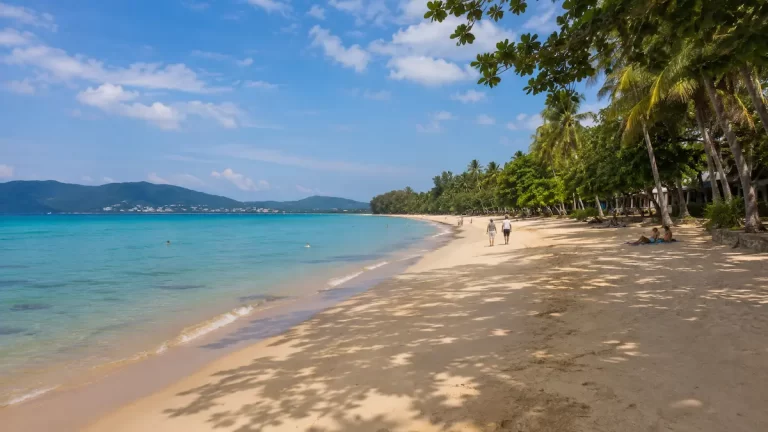
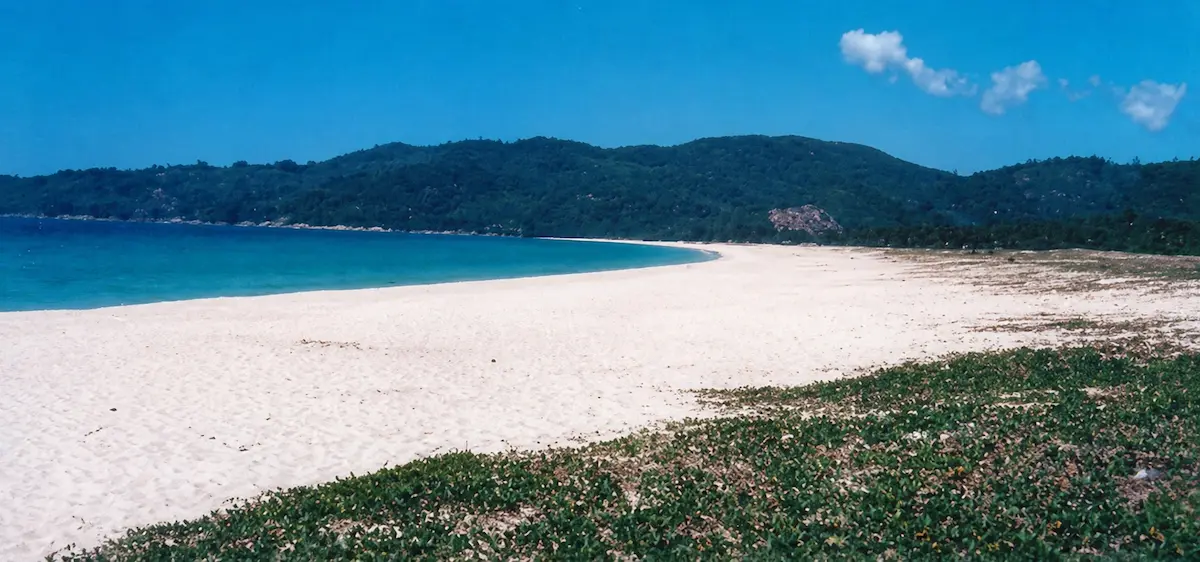
Long before bars, resorts, and crowded streets, Patong was likely a small coastal settlement on a broad bay backed by hills and forest. It was not famous because of commerce or political power. It was valuable because it offered what early communities needed most: access to the sea, freshwater, usable land, and shelter enough to build a modest life.
That same geography would later shape its future in a completely different way.
Many beautiful beaches remain quiet forever because they are too small, too steep, too remote, or too difficult to build around. Patong was different. It offered not only natural beauty, but space. Once roads improved and outside visitors began to arrive, the bay had enough room to grow from village to resort town, then from resort town to one of Asia’s best-known holiday centres.
Patong’s story is not simply about nightlife or tourism. It is about how geography, timing, and global travel transformed a once-quiet bay into Phuket’s most famous and debated destination.
To understand Patong today, it helps to understand what it was first.
1. A Bay Built for Everyday Life
Long before anyone asked why Patong became famous, the bay had value for a far simpler reason: it worked as a place to live.
While detailed early records of Patong itself are limited, the landscape offers strong clues about why people would have settled here generations before tourism. Patong’s wide curved shoreline created a practical landing point for small boats and fishing activity. The sea provided food, movement, and daily opportunity. Freshwater streams once ran down from the surrounding hills, while flatter land behind the beach gave room for homes, gardens, coconut trees, and the ordinary rhythms of village life.
That combination mattered more than beauty.
Many coastlines can look impressive for a visitor standing on the sand. Far fewer can support a functioning community year after year. Patong offered marine resources, access to water, shelter from the hills behind, and enough usable ground to make settlement realistic rather than temporary.
The earliest residents were likely small family groups living from a mix of fishing, food growing, gathering, and local exchange with nearby communities. This was common across coastal southern Thailand, where settlements often grew slowly rather than through grand planning. A few households establish themselves near water. Relatives join over time. Paths form. Small shrines appear. A village identity gradually takes shape.
Life would have been shaped by season rather than schedule. During calmer months, fishing and movement along the coast were easier. During monsoon periods, rougher seas and heavy rain would have made travel harder and increased reliance on stored food, gardens, and inland links.
At this stage, Patong was not important because it was famous. It was useful because it was practical.
Its first economy was not hotels, nightlife, or shopping. It was fish, freshwater, family labour, and the quiet value of a sheltered bay.
2. Why Patong Stayed Small for So Long
If the bay had so much natural potential, why did Patong remain a small settlement for much of its history?
The answer is that beauty alone does not create growth.
For centuries, Patong sat on Phuket’s west coast behind hilly terrain that made inland movement slower and more difficult than it is today. Before modern roads, reaching the bay from older centres such as Phuket Old Town or inland communities required more time, more effort, and better weather. That limited trade, migration, and the kind of daily movement that helps settlements expand.
Other parts of Phuket held clearer economic advantages at the time. Areas connected to administration, maritime routes, and later tin mining drew more investment and population. Patong, by contrast, was useful locally but less important strategically. It could support village life without becoming an early commercial centre.
This long quiet period may have shaped Patong’s future more than many people realise.
While busier parts of the island developed around industry and trade, Patong remained scenic, lightly built, and relatively untouched. The beach was not lined with hotels. The streets were not packed with traffic. The bay existed mainly for those who lived there and the occasional outsider who made the effort to reach it.
That preserved something increasingly rare as the modern world accelerated: a large tropical beach that still felt open, natural, and undiscovered.
In hindsight, one reason why Patong became famous later is that it did not become overdeveloped too early. It entered the tourism era with much of its natural appeal still intact.
Many destinations peak before the world notices them.
Patong was noticed at the right time.
3. Roads, Electricity, and the Turning Point
If geography gave Patong potential, infrastructure is what unlocked it.
For generations, the hills behind Patong had protected the bay but also kept it relatively isolated. Reaching the beach from other parts of Phuket was slower, less comfortable, and more weather-dependent than it is today. A beautiful place can remain obscure for a long time if getting there is difficult.
That began to change in the mid-20th century. Government support for a basic road connection over the hill marked an important shift, and later road upgrades — including a sealed road — made access far more practical. What had once been a remote coastal settlement was now becoming part of Phuket’s growing transport network.
This mattered enormously.
Once travel became easier, Patong was no longer only a bay known to locals. It became reachable for domestic visitors, workers, traders, business owners, and curious travellers exploring the island. Time and friction had been reduced, and when friction drops, places often grow quickly.
Electricity was another major milestone. Reliable power helped transform Patong from a simple beach settlement into a functioning tourism town. It meant refrigeration for food and drink, lighting for streets and businesses, fans and later air-conditioning for accommodation, stronger communications, and the confidence needed for larger commercial investment.
Many travel stories focus only on scenery, but utilities often explain history more accurately than sunsets do.
A beach town does not rise on sand alone. It rises on roads, power, water, and momentum.
This period helps answer why Patong became famous while many other attractive bays remained minor stops. Patong was no longer just beautiful. It was becoming usable at scale.
As access improved, the next stage was almost inevitable: people would arrive, stay longer, and tell others what they had found.
4. The First Tourism Wave
Once Patong became easier to reach, the next stage of its story began quietly rather than dramatically.
There was no single moment when Patong “opened.” No grand launch, no instant skyline, no flood of package tourists arriving on the same day. Instead, visitors came gradually — the kind of travellers willing to go a little further for somewhere that still felt untouched.
These early arrivals were likely adventurous independent travellers, sailors, regional visitors, workers passing through, and budget-conscious explorers looking for warm weather, low costs, and places outside the mainstream tourist circuit. They were often drawn to destinations that felt discovered rather than manufactured.
Patong would have appealed immediately.
The bay was large, scenic, and practical. The beach was wide enough to feel impressive, but the atmosphere remained loose and unpolished. There were no giant shopping centres, no rows of chain hotels, and none of the intensity the area would later become known for.
Accommodation in this period would have been simple by modern standards — family-run guesthouses, wooden bungalows, modest eateries, and informal visitor services created by locals responding to new demand. Tourism had arrived, but it was still personal and small-scale.
This is often the most romantic phase in the life of a destination.
Visitors feel they have found something before everyone else. Locals are adapting but not overwhelmed. The place still belongs mostly to itself.
That early sense of discovery is an overlooked reason why Patong became famous. Word spreads fastest when people feel they have uncovered a secret worth sharing.
As more travellers arrived and more businesses opened, Patong’s identity began to shift. What had once been a quiet bay was becoming known beyond Phuket — first as a hidden escape, and soon as something much larger.
5. Why Patong Became Famous Faster Than Other Phuket Beaches
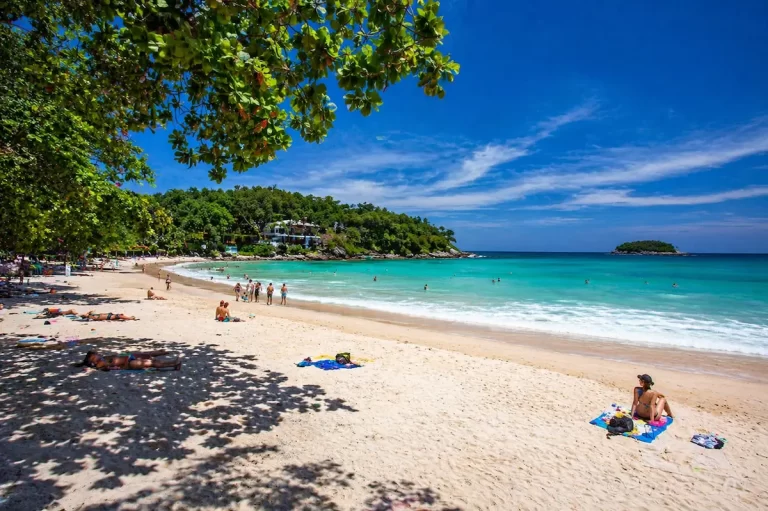
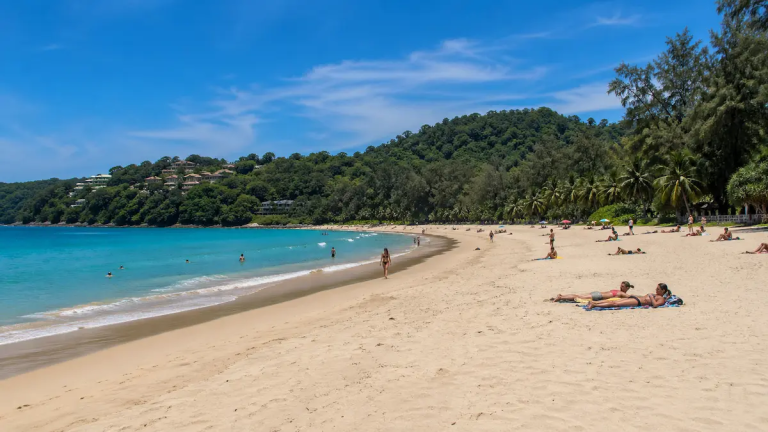
Phuket has no shortage of beautiful beaches. Kata Beach offers a classic holiday feel. Karon Beach has a long open shoreline. Kamala Beach developed a calmer resort identity. Later, places such as Bang Tao Beach and Surin Beach built more upscale reputations.
So why Patong became famous faster than many of them comes down to one powerful advantage: concentration.
Patong was able to gather almost everything a visitor needed into one compact area. The beach sat close to hotels. Restaurants were within walking distance. Bars, nightlife, shopping, travel agents, tailors, taxis, convenience stores, and tour operators all clustered around the same central zone.
That convenience matters more than many travellers realise.
A couple staying for five nights may prefer being able to walk to dinner, book a day trip, stop for a drink, buy essentials, and reach the beach without relying on transport. A group of friends may want nightlife nearby. First-time visitors often value simplicity over perfection. Patong served all of these needs at once.
This clustering also created commercial momentum.
Hotels brought guests. Guests supported restaurants. Restaurants supported bars. Bars attracted more guests. More visitors justified more shops, more services, and more investment. Each layer strengthened the next.
Some destinations remain peaceful because their services stay spread out or deliberately limited. Patong developed in the opposite direction. It became denser, louder, more convenient, and more commercially complete.
That is one of the clearest answers to why Patong became famous while other Phuket beaches developed more slowly or for narrower markets.
Patong did not simply offer a beach.
It offered an entire holiday ecosystem in one place.
6. Bangla Road and the Nightlife Identity
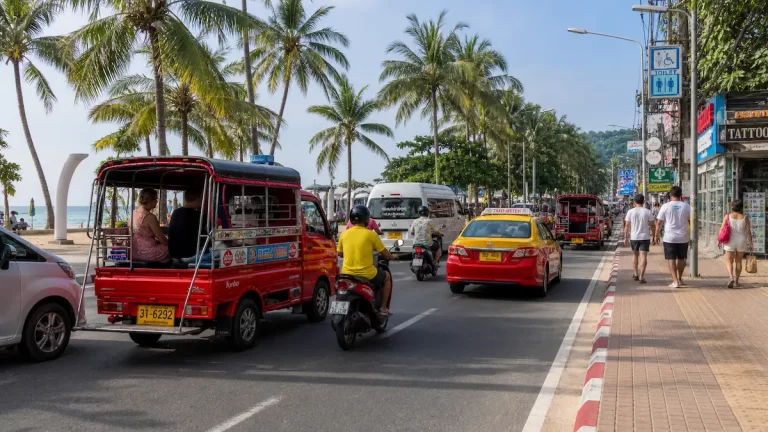
Then and now: Patong’s transformation from a quiet coastal strip to one of Thailand’s most recognised nightlife destinations.
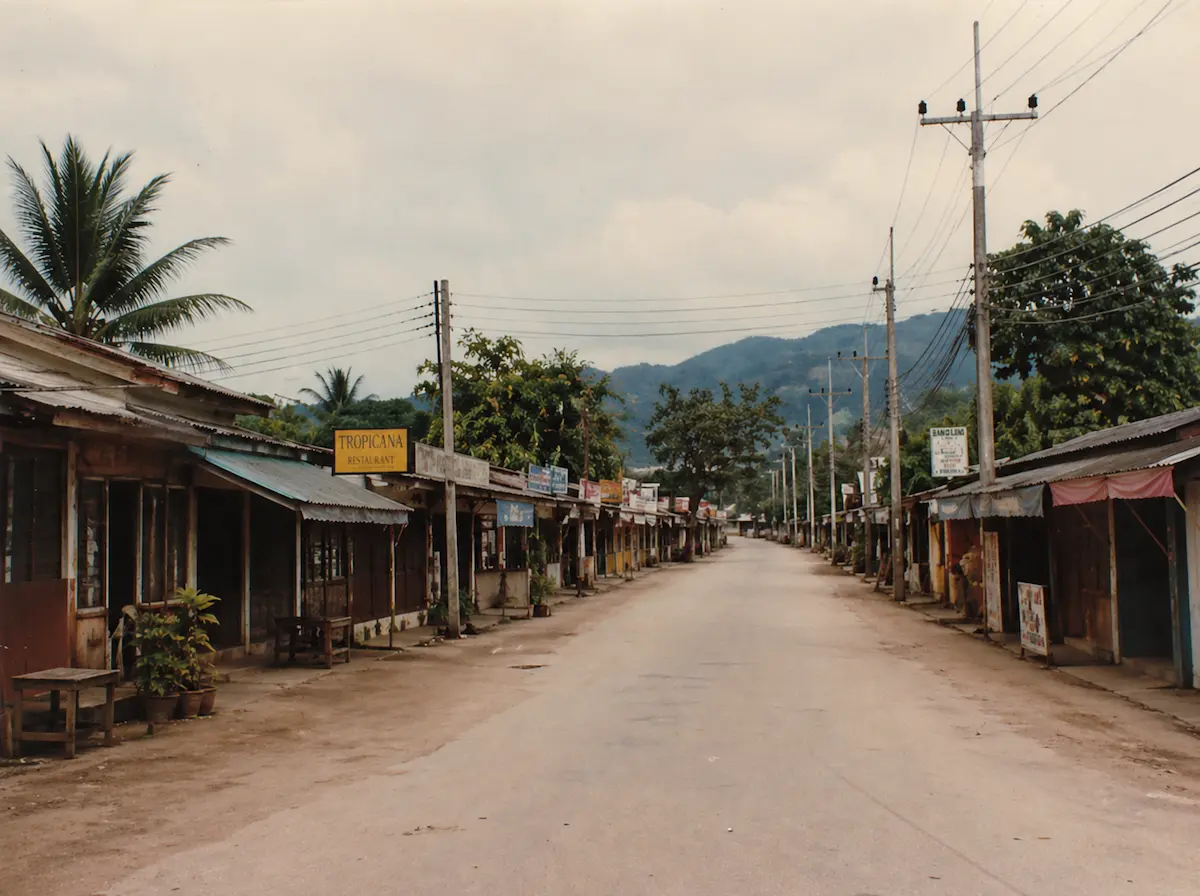
Illustrative example of Patong’s early development, when small shops and quiet streets defined the area. 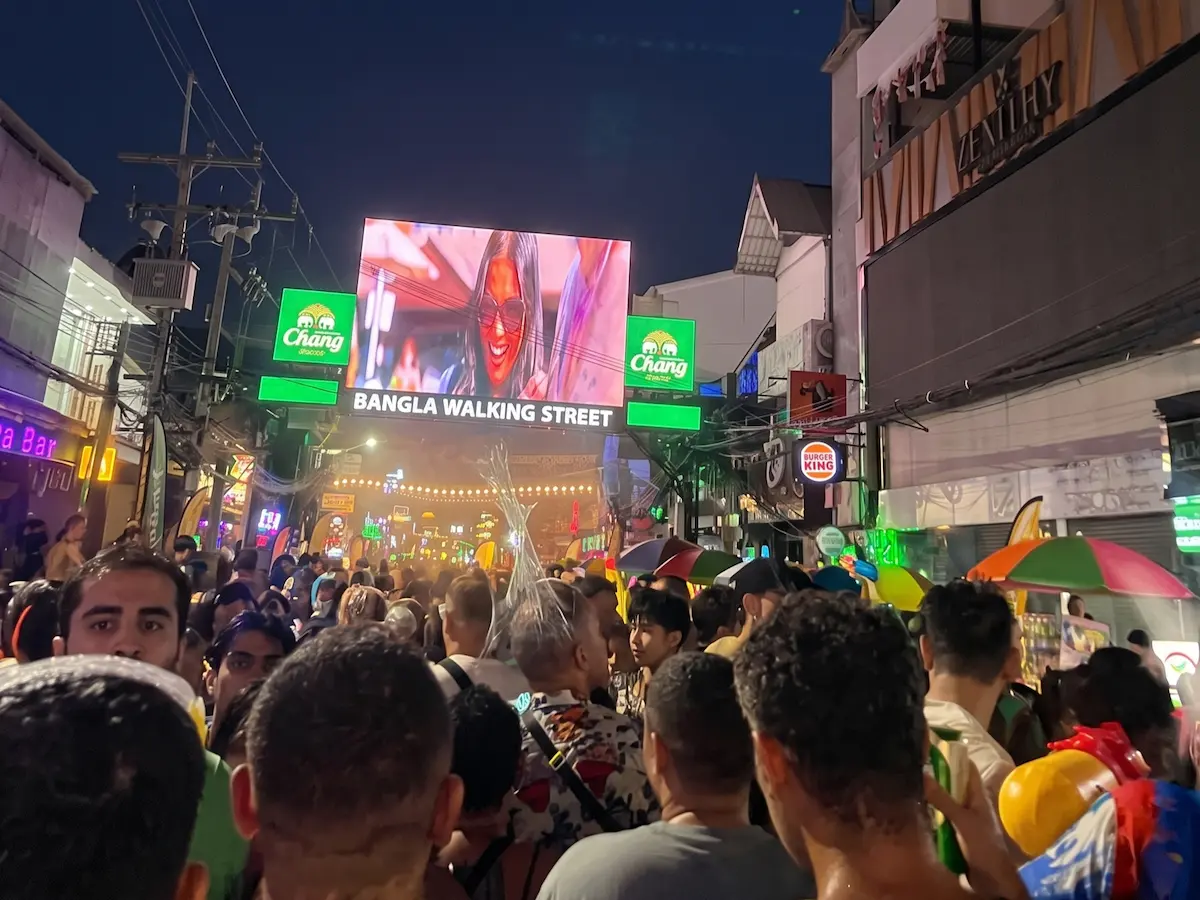
Bangla Road today: the centre of Patong’s nightlife and one of Thailand’s most recognised entertainment streets.
No modern explanation of why Patong became famous is complete without Bangla Road and the wider range of things to do in the area. See our guide to what to do in Patong Beach.
Bangla Road did not begin as a world-known nightlife strip. Like much of Patong, it evolved gradually as tourism numbers increased and businesses responded to demand. Visitors staying near the beach wanted somewhere central to eat, drink, socialise, and continue the evening after sunset. A short road close to the shoreline and surrounded by hotels was the ideal location.
Once several venues succeeded, the pattern accelerated.
More bars opened nearby. Restaurants followed. Clubs, music venues, sports bars, street vendors, transport services, and late-night businesses gathered around the same strip. In tourism, success often clusters. When travellers hear that one area is where the action is, even more people go there.
Bangla Road gave Patong something many beach destinations never achieve: a second identity after dark.
By day, Patong offered sun, sea, tours, shopping, and convenience. By night, Bangla Road offered movement, spectacle, noise, music, energy, and endless choice. That combination proved powerful. Many places can sell a beach holiday. Far fewer can sell both relaxation and nightlife in the same walkable district.
Over time, Bangla became internationally associated with Phuket nightlife itself. For some travellers, it was the main attraction. For others, it was something to experience once, observe briefly, or avoid entirely. Either way, it strengthened Patong’s reputation.
It also helped separate Patong from quieter areas such as Kata Beach or Karon Beach, where evenings traditionally centred more around restaurants and lower-key bars than a concentrated entertainment strip.
Bangla Road did not make Patong successful on its own.
But it helped turn a successful beach town into a globally recognised tourism brand.
7. Crisis, Recovery, and Reinvention
On 26 December 2004, the 2004 Indian Ocean earthquake and tsunami changed coastal communities across the region, including Patong. Waves struck Patong Beach and surrounding areas, causing tragic loss, damage, and a shock that residents, workers, and visitors would not easily forget.
For a destination built around movement, confidence, and tourism, the disaster was more than physical destruction. Hotels, restaurants, bars, tour businesses, retail shops, transport operators, and thousands of livelihoods were suddenly affected. A place known for holiday energy was confronted with grief and uncertainty.
Yet Patong’s next chapter also revealed another side of the town: resilience.
Businesses rebuilt. Streets reopened. Infrastructure improved. Emergency awareness and warning systems received greater attention. Visitors gradually returned, and confidence slowly recovered. What might have caused a long decline instead became a difficult turning point in Patong’s modern story.
Recovery was helped by something Patong had spent decades building — strong tourism demand. The destination was already internationally recognised, and many travellers still wanted what Patong offered: beach access, convenience, nightlife, and a central base in Phuket.
The years that followed brought another wave of reinvention. Larger hotels expanded, new businesses opened, and modern developments such as Jungceylon Shopping Center signalled a more commercial and globally familiar version of Patong.
This period matters when understanding why Patong became famous and why it stayed famous.
Popularity can be built in good years. Reputation is often proven in difficult ones.
Patong did not simply grow. It recovered, adapted, and continued forward.
8. Why Patong Is Still Famous Today
Decades after its first tourism wave, Patong remains the best-known destination in Phuket. Many travellers now have more choice than ever — quieter beaches, luxury resorts, boutique stays, family-focused areas, and hidden corners across the island. Yet Patong continues to attract enormous numbers of visitors every year.
The reason is that its core advantages never disappeared.
Patong still combines a large central beach with one of the island’s widest ranges of accommodation. Budget guesthouses, mid-range hotels, apartments, and upscale stays all sit within reach of the sand. Restaurants cover nearly every price point and cuisine. Tours depart daily. Shopping is easy. Transport is available at all hours. Nightlife remains one of the strongest draws in southern Thailand.
Few places offer this much choice in one compact area.
That convenience is especially powerful for first-time visitors. Many travellers would rather stay somewhere lively and central for a short holiday than spend time learning transport routes or moving between quieter districts. Groups of friends, solo travellers, and visitors who want energy around them often make the same calculation.
Patong also benefits from momentum. Once a destination becomes globally known, it tends to remain on travel shortlists. People hear about it from friends, social media, travel forums, and older guidebooks. It becomes part of the mental map of Phuket.
Of course, Patong is not for everyone. Some visitors prefer the calmer atmosphere of Kata Beach, the longer open stretch of Karon Beach, or the more relaxed tone of other areas across the island. That diversity is part of Phuket’s strength.
But for travellers who want beach, nightlife, shopping, convenience, and constant movement in one place, Patong still leads the market.
If you are planning your own trip, our free Phuket guide helps first-time visitors choose the right area, avoid common mistakes, and plan smarter.
Conclusion
Why Patong became famous was never about one single factor.
It was the result of geography, timing, infrastructure, tourism momentum, nightlife identity, and decades of reinvention. Patong began as a practical coastal bay where families likely lived from the sea, freshwater, and the usable land behind the beach. It remained quiet long enough to preserve the natural appeal that later visitors would find irresistible.
Then the modern travel era arrived.
Roads improved. Electricity expanded possibilities. Early travellers spread the word. Hotels and businesses multiplied. Bangla Road gave the town an after-dark identity, while recovery after crisis proved its resilience. What had once been a local bay became Phuket’s most recognised tourism centre.
Many beautiful beaches never become famous. Some are too remote, too small, too difficult to build around, or too narrowly positioned for one type of visitor.
Patong offered something different.
It could scale when the travel world arrived.
That is still the clearest answer to why Patong became famous — not because it was perfect, but because it combined beauty, space, convenience, and energy better than almost anywhere else on the island.
Beneath the traffic, neon, and noise, the original bay is still there.
Frequently Asked Questions
Why did Patong become famous?
Patong became famous because it combined a large beach, usable land for development, improved road access, growing tourism demand, nightlife, and convenience in one central location. Many Phuket beaches are beautiful, but Patong offered the easiest all-round holiday base for large numbers of visitors.
Was Patong always a tourist destination?
No. Patong was likely a small coastal settlement long before tourism. Earlier residents would have depended on fishing, gardens, local trade, and the natural resources of the bay rather than hotels or nightlife.
Why did Patong grow faster than Kata or Karon?
Patong developed a denser tourism ecosystem. Hotels, restaurants, nightlife, shops, and transport clustered close together, creating momentum. Kata Beach and Karon Beach remained popular but generally developed in calmer, less concentrated ways.
When did Patong become popular internationally?
Patong grew steadily during the late 20th century as Phuket became easier to reach by road and air. By the 1980s and 1990s, it was already well known as one of Thailand’s major beach destinations.
Why is Bangla Road so famous?
Bangla Road became famous as Patong’s main nightlife street. Its central location near the beach and surrounding hotels helped it grow into one of Thailand’s best-known entertainment areas.
Is Patong still the most famous area in Phuket?
For international recognition, yes. While many travellers now prefer quieter areas, Patong remains the best-known destination in Phuket because of its beach, nightlife, hotel choice, shopping, and convenience.
Is Patong a good place for first-time visitors?
For many travellers, yes. Patong can be a strong first base because everything is close together. Visitors wanting a quieter atmosphere may prefer beaches such as Kata Beach, Karon Beach, or other parts of Phuket.