
Into the Kingdom of Light: My Journey to the Similan Islands
My notes from a long, luminous day that begins in Phuket, races across the Andaman, and slows to the rhythm of coral and wind.
Before Sunrise: Leaving Phuket, Chasing Blue
The night before the trip I barely slept. Phuket was quiet outside my window, the air heavy with salt and late-season humidity. Somewhere beyond the horizon lay the Similan Islands—eleven green jewels scattered across the Andaman Sea—and I wanted to see if the stories were true.
At 5:00 a.m., a shared van rolled under the palms and I climbed aboard with a handful of fellow early risers. The road to Khao Lak unfurled in darkness, rubber plantations on either side, the sky bleaching slowly from ink to silver. It’s a long prelude—roughly 2 to 2½ hours by road from Phuket to Tab Lamu Pier—but the stillness has its own kind of promise. By the time we reached the pier, dawn had cracked open over a glassy bay and the day felt brand new.
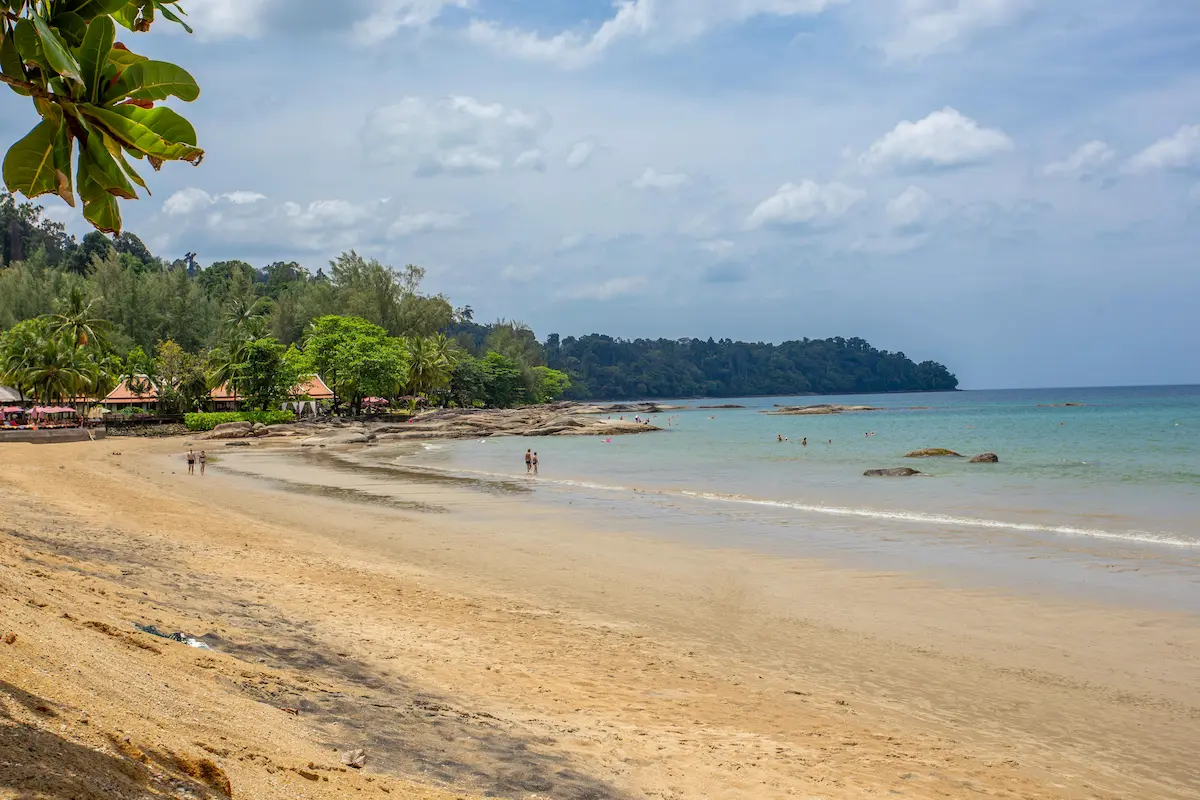
Crossing the Andaman Sea
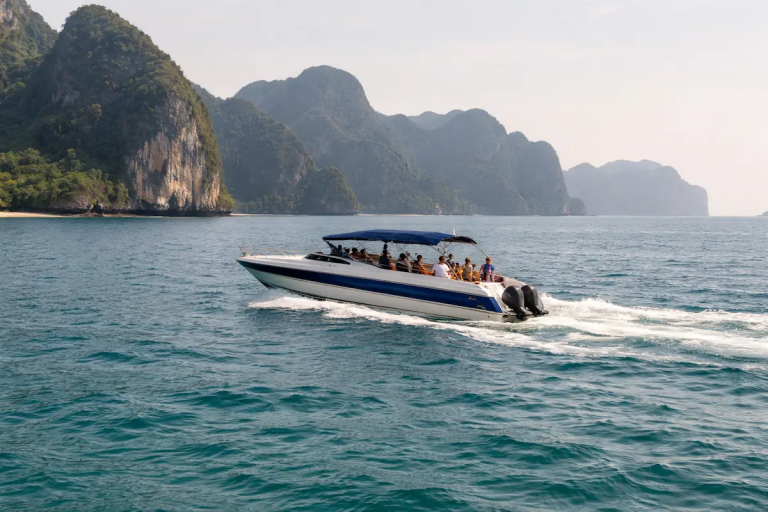
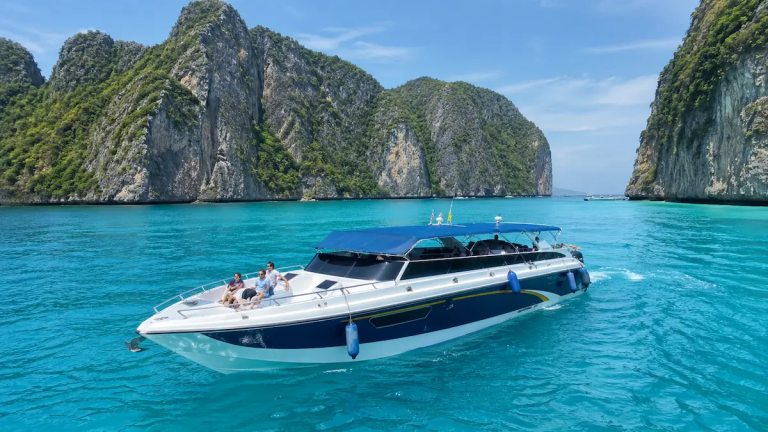
We loaded onto a white speedboat with twin engines that sounded like a dare. Lines off, throttle forward, and Phuket’s mainland shrank to a charcoal seam. The Andaman that morning was polished, the spray cool on my cheeks, sunlight skipping off the bow like thrown coins. I sat near the front to watch the horizon widen.
From Khao Lak it takes about ninety unrushed minutes to reach the Similan chain. The first island appeared as a silhouette: forested ridgeline, then pale sand, then granite boulders stacked like sleeping whales. Even before we landed I knew—these islands weren’t built for ordinary days.
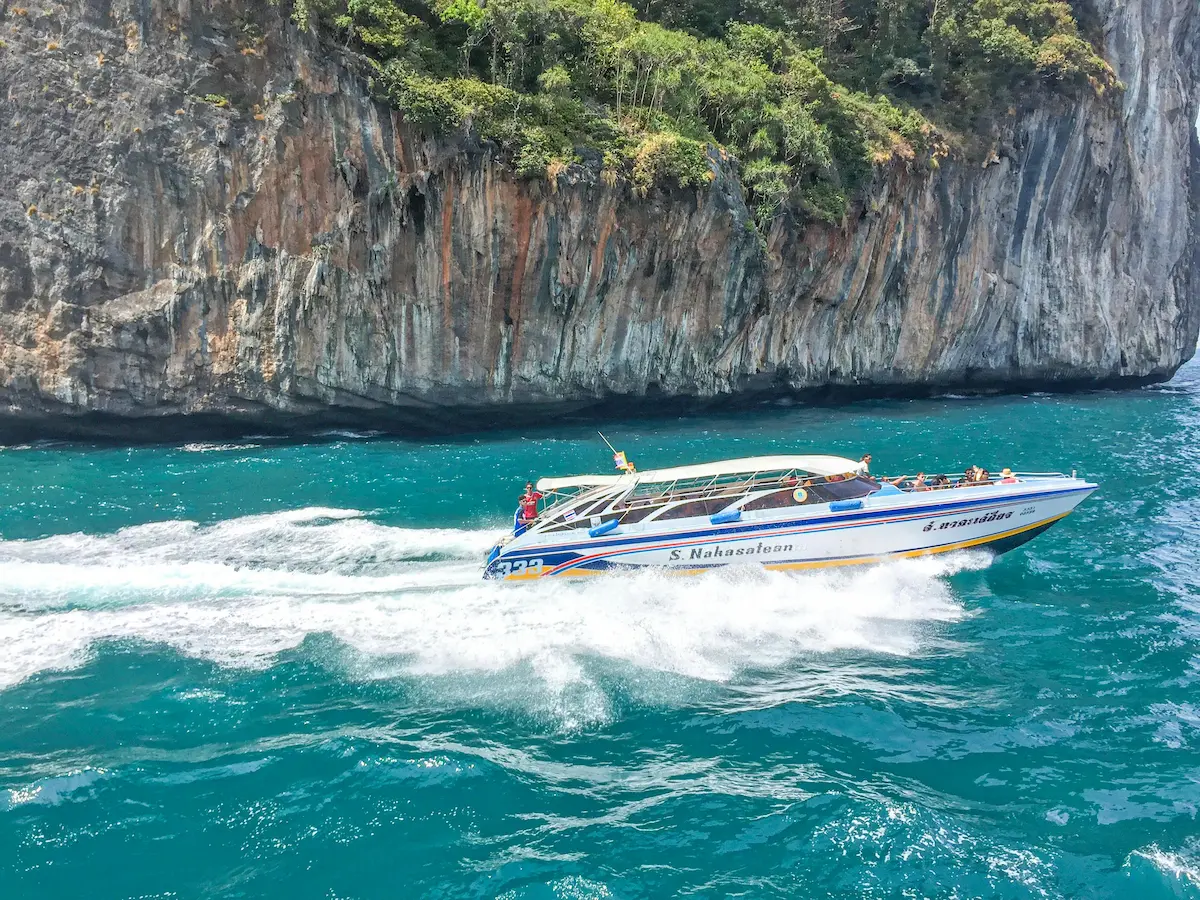
As we skimmed closer, the guide began explaining what makes this chain so extraordinary.
What to Know About the Similan Islands
People often talk about “Similan Island” as if it were one place, but that’s part of the magic. Similan comes from the Malay sembilan, meaning nine—a nod to the original nine islands. Over time, two more were brought under protection, and today the archipelago counts eleven islands within the boundaries of Mu Ko Similan National Park, declared in 1982.
The personality of the chain changes island to island: Ko Similan (#8) carries the famous Sail Rock viewpoint and a beach that glows like sugar; Ko Ba-Ngu (#9) hides deeper reefs and the Christmas Point maze of granite arches; Ko Payu (#7) drapes its slopes in coral gardens; Ko Miang (#4) rests gentle and sheltered with twin crescents of sand. Several other islands are fully protected—nesting beaches for turtles or sanctuaries for reef recovery—and remain closed to landings.
A decade ago the beauty drew too fast a crowd and the reefs showed it. Thailand did something rare and necessary: it closed, restored, and re-opened with limits. No overnights on the islands, seasonal closure during the monsoon (typically mid-May to mid-October), capped daily entries, and anchoring rules that keep propellers away from fragile coral. The result isn’t a theme park—it’s a sanctuary that lets you feel how wild the world can still be.
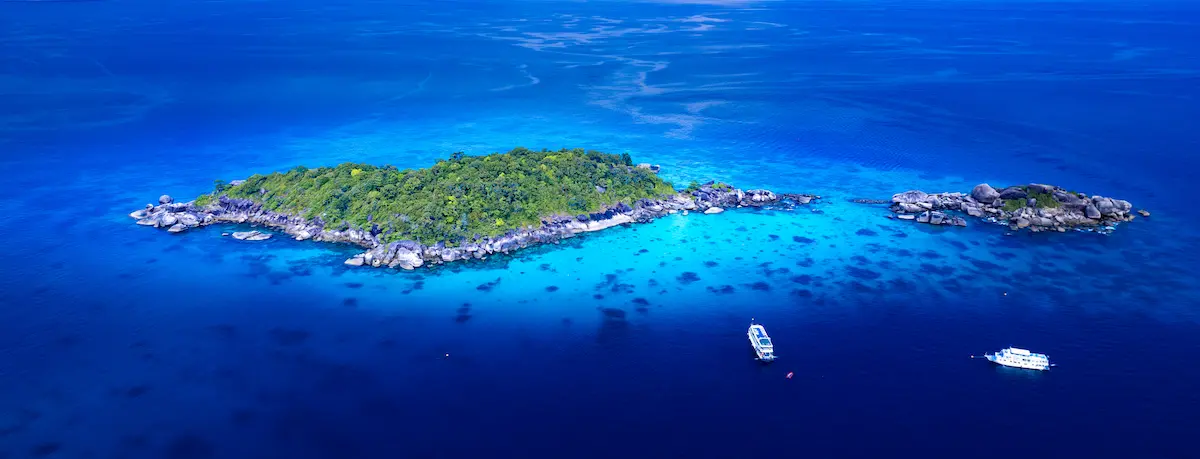
First Landfall: Ko Miang’s Quiet Crescents
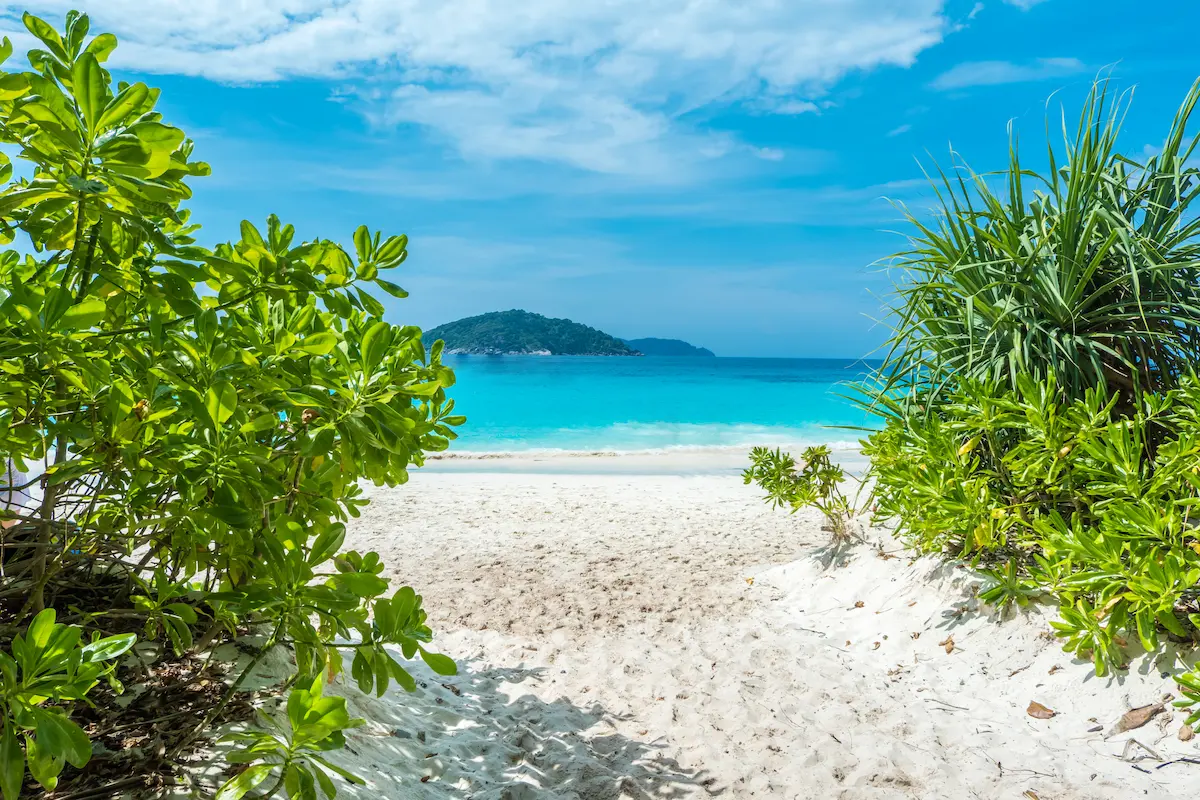
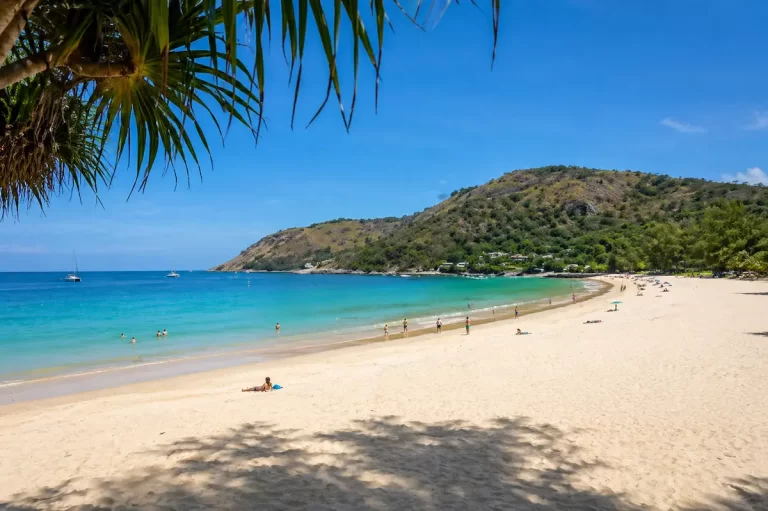
Our first landing was Ko Miang (#4), a horseshoe of water so clear the boat seemed to hover. Masks on, hearts open, we slid into a lagoon painted in invisible blues. Below us: cauliflower coral, buttery soft anemones, schools of damselfish freckling the light. I followed a parrotfish nibbling at the reef and surfaced to palms leaning out over squeaking white sand.
Lunch happened under that same shade—jasmine rice, a bright curry, grilled chicken, and pineapple that tasted like sun. Rangers moved quietly along the tree line and the island felt unbothered by our presence, as if we’d been allowed to visit on the sea’s terms rather than ours.
After lunch, the boat moved north toward deeper reefs where the real magic hides.
Why the Similan Islands Are So Special
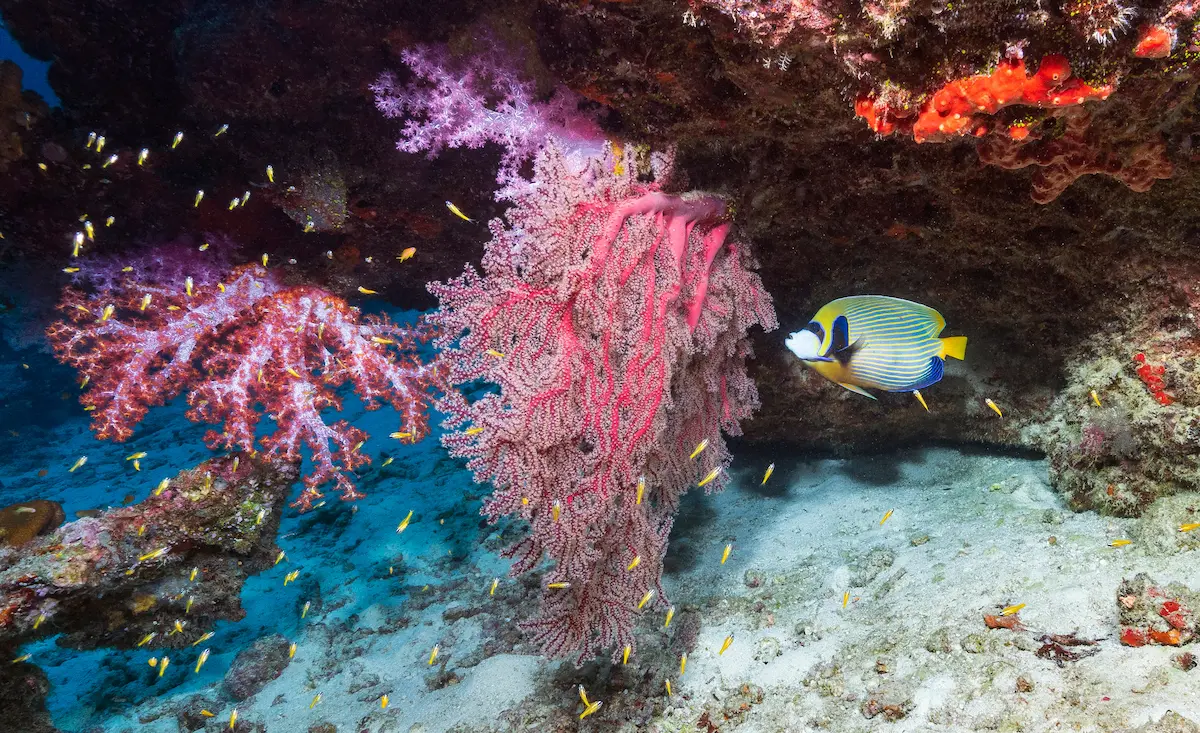
This is where the story tilts from pretty beaches to living wonder. The Similans are a world-class meeting of granite geology and coral ecology: cathedral-sized boulders above, boulder gardens below, with swim-throughs and archways lit by shafts of blue-white sun. Visibility often stretches 20–30 meters; even snorkelers feel like divers.
We drifted above reef ledges at Ko Payu (#7) and Ko Ba-Ngu (#9), where shoals of fusiliers moved like liquid silver. A hawksbill turtle ghosted along the bottom, unhurried and ancient. Brain corals rose like thought made stone; staghorn forests raked the current. I hovered, listening to the soft crackle of life on the reef, and forgot about time completely.
Ask ten travelers why the Similan Islands matter and you’ll hear the same music in different words: clarity, color, calm, creatures. It isn’t luxury that moves you here—it’s life itself.
Sail Rock: The View That Stills the World
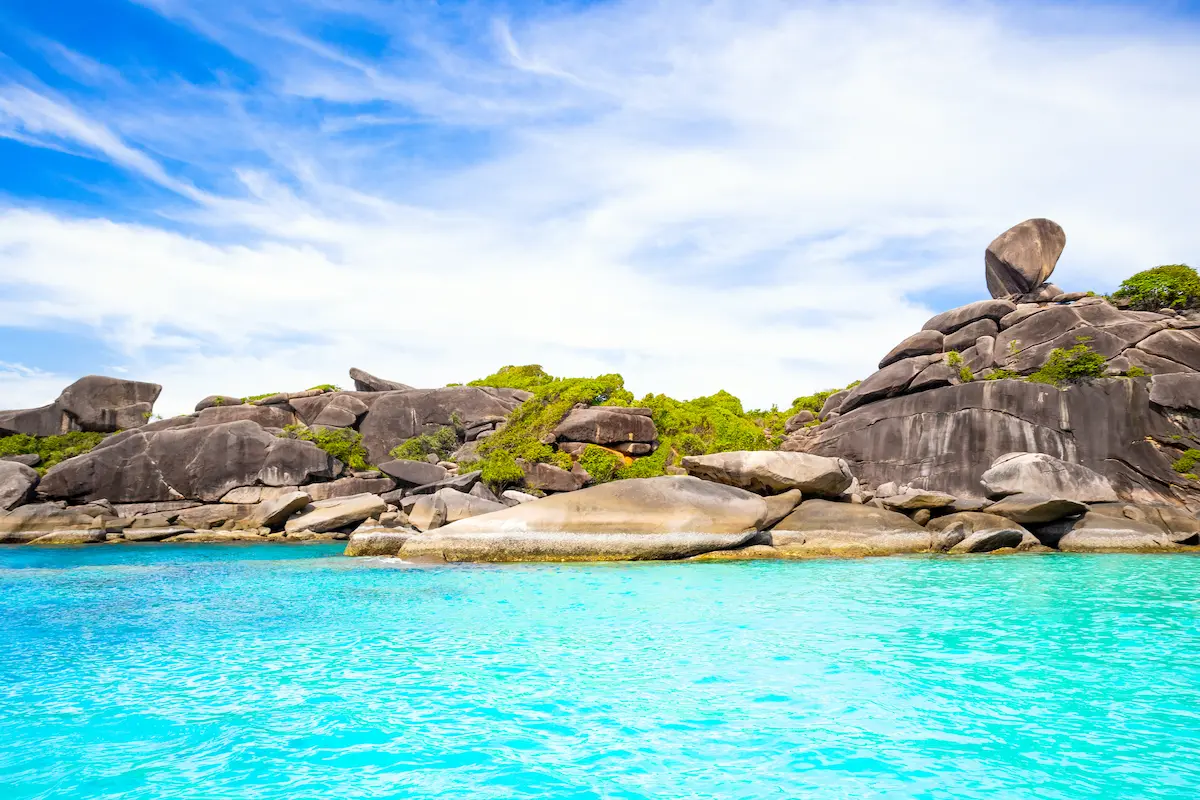
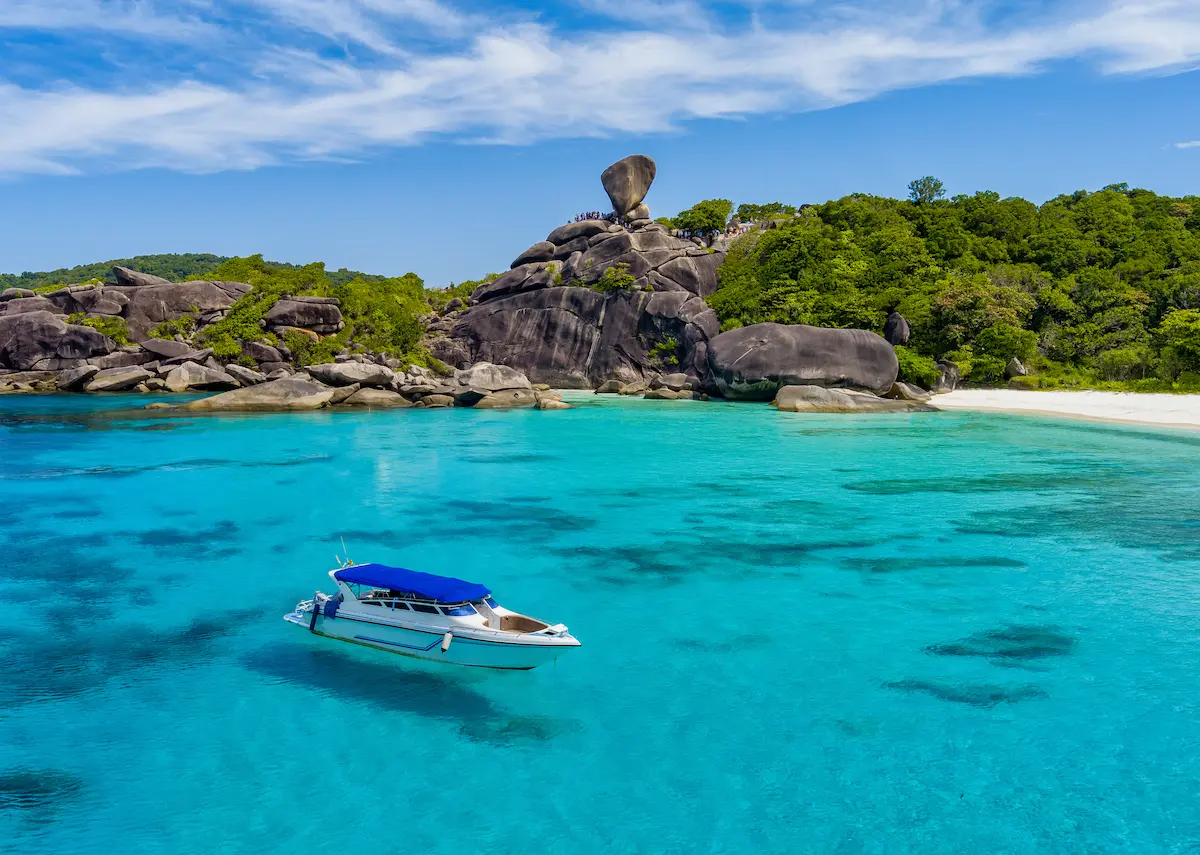
Mid-afternoon we anchored off Ko Similan (#8). From a distance the island looks prehistoric: house-sized boulders stacked at improbable angles, jungle clinging to the seams. A sandy path threaded uphill through banyan roots to the ridge. Every few meters the foliage broke and the sea flashed its turquoise grin.
The viewpoint—a curving, wind-polished slab called Sail Rock—teeters above a lagoon stitched with light. Boats looked like toys below us. The wind smelled of salt and green. For a long moment nobody spoke; the scene was doing the talking. I stayed longer than I meant to, trying to press the horizon into memory.
On the way back to Khao Lak my mind drifted back to that beaitful place. Not as crowded as other tourist hot spots.
Khao Lak: The Quiet Heart That Makes It Better
If Phuket is a gateway, Khao Lak is a state of mind. Evenings there dissolve into palm silhouettes and surf that sounds like sleep. It’s less about buzz and more about breath—coconut groves, fishermen mending nets, market smoke drifting into a violet sky. Most Similan trips use Tab Lamu Pier right here, and basing yourself in town turns a big day into an easy one: later wake-up, shorter transfers, more time in the water, and a soft landing at sunset instead of a midnight return to Phuket.
Stay a night or two and the rhythm changes. Breakfast unhurried, sea unhurried, you unhurried. Divers push farther still on liveaboards that sleep under constellations and visit reefs day boats never touch. Even if you don’t dive, Khao Lak hands you something you can feel in your bones—the time and space to let the islands work on you.
Seasons, Limits, and the Gift of Restraint
The Similan Islands are open in the calm months—generally November through April—and closed during the southwest monsoon for reef recovery. That pause isn’t a nuisance; it’s the point. Nature inhales, ecosystems reset, and when the park reopens the water seems freshly painted. Entry numbers are limited, certain beaches remain nesting grounds for turtles, and anchoring is controlled. The rules don’t dim the adventure; they make it possible.
The Long, Golden Ride Home
We turned back when the light softened, that honey-gold hour when islands wear long shadows and the sea looks like molten glass. Someone passed around pineapple. Conversation faded into a satisfied hush—the calm of people who’ve seen something they were secretly hoping to find. By the time we reached shore the sky was on fire. The van to Phuket was quiet; most of us slept, salt-streaked and happy.
When I finally stepped out near my hotel, the city lights felt too sharp. Traffic replaced the rhythm of waves. But the sea stayed with me—color, motion, silence—and that clean, clear sense that the world is still capable of wonder.
Further Reading & Related Journeys
- Resurgence Travel – Thailand Island Adventures: deeper dives into Thailand’s island arcs, conservation stories, and slow-travel routes across the Andaman.
- Reflections Photography – Light, Water & Texture: field guides and visual essays on photographing reefs, white sand, and the changing light of the Andaman Sea.
- Go Find Asia – Thailand Islands Guide 2025: the big picture—seasons, island pairings, and how to string your days into one long ribbon of blue.
When is the Similan Islands season?
Open roughly November–April; closed during the southwest monsoon for reef recovery (usually mid-May to mid-October).
Is a Similan day trip from Phuket realistic?
Yes. Expect a 2–2.5 hr van transfer to Tab Lamu Pier (Khao Lak) plus ~90 min by speedboat to the islands.
Is it better to base in Khao Lak?
If you want a later pickup, shorter transfers, and more water time, yes—Khao Lak is the smoother base.
How long is the speedboat ride from the pier?
Typically ~90 minutes from Tab Lamu Pier to the Similan Islands, subject to sea conditions.
Can I book a private boat?
Possible but pricey and subject to park rules and capacity limits. Availability varies by season.
What will I see when snorkeling?
Clear water (often 20–30 m visibility), coral gardens, fusiliers, parrotfish, batfish, and occasional hawksbill turtles.
Are the islands suitable for kids and beginners?
Yes—most tours pick sheltered sites first and provide life vests. Always follow guide instructions.
What should I bring?
Reef-safe sunscreen, hat, sunglasses, rash guard/light cover-up, quick-dry towel, dry bag, phone strap, sandals, and cash for fees/snacks.
Are national park fees included?
Sometimes. Many operators collect park fees separately at the pier—confirm on your voucher.
Can I stay overnight on the islands?
No overnights on land. Multi-day liveaboards (you sleep on the boat) are the exception for divers.
Conservation References
For current park guidance, seasonal closures, and reef-care initiatives:
- Thailand Department of National Parks – Mu Ko Similan National Park
- UN Environment Programme – Andaman Coastline Marine Conservation
- Reef Guardian Thailand – Coral Restoration & Volunteering
About the Author
Dave Hibbins is a photographer, travel writer, and founder of Go Find Asia, Resurgence Travel, and Reflections Photography. Based between Thailand and Nepal, he explores the stories that live between light, water, and people. His travel essays blend firsthand experience with slow-travel insight — helping readers find the beauty that still exists in the world’s quieter corners.
บันทึกการเดินทางในมุมมองของฉัน — วันที่เริ่มต้นจากภูเก็ต วิ่งผ่านผืนน้ำสีฟ้าแห่งอันดามัน และค่อยๆ ช้าลงไปตามจังหวะของสายลมกับปะการัง
ก่อนพระอาทิตย์ขึ้น: จากภูเก็ตสู่การตามหาทะเลสีคราม
คืนก่อนเดินทาง ฉันแทบไม่ได้นอนเลย ภูเก็ตยามค่ำคืนเงียบสงบ เสียงคลื่นแผ่วเบาอยู่ไกลๆ กลิ่นเค็มของทะเลลอยมากับลมชื้นปลายฤดูฝน ที่ใดสักแห่งหลังเส้นขอบฟ้านั้นคือหมู่เกาะสิมิลัน — อัญมณีสีเขียวสิบเอ็ดเกาะที่กระจายตัวอยู่กลางทะเลอันดามัน และฉันอยากรู้ว่าคำร่ำลือเหล่านั้นจะงดงามแค่ไหน
ตีห้า รถตู้คันเล็กแล่นมาจอดใต้ต้นปาล์ม ฉันก้าวขึ้นรถพร้อมนักเดินทางอีกไม่กี่คนที่ตื่นเช้าเหมือนกัน เส้นทางจากภูเก็ตสู่เขาหลักทอดยาวไปในความมืด สองข้างทางเต็มไปด้วยสวนยางพารา ท้องฟ้าเริ่มซีดจากสีหมึกเป็นสีเงิน เป็นการเดินทางที่ยาวแต่เต็มไปด้วยความสงบ — ประมาณ สองถึงสองชั่วโมงครึ่ง จากภูเก็ตถึงท่าเรือทับละมุ แต่ในความเงียบนั้นกลับมีพลังบางอย่างซ่อนอยู่ พอถึงท่าเรือ พระอาทิตย์ก็โผล่ขึ้นเหนืออ่าวที่นิ่งสนิท และวันใหม่ก็เริ่มต้นขึ้นอย่างสดใส
ข้ามทะเลอันดามัน
เราขึ้นเรือสปีดโบ๊ตสีขาวติดเครื่องยนต์คู่ที่คำรามเบาๆ เหมือนกำลังท้าทายอะไรบางอย่าง พอเชือกคลาย เรือก็พุ่งไปข้างหน้า ฝั่งภูเก็ตค่อยๆ เลือนเป็นเส้นสีเทาอ่อนอยู่ไกลสุดสายตา เช้าวันนั้นทะเลอันดามันเรียบสนิท ละอองน้ำเย็นกระเซ็นโดนแก้ม แสงแดดเต้นระยิบบนผิวน้ำเหมือนเหรียญที่ใครสักคนโยนลงทะเล ฉันนั่งใกล้หัวเรือเพื่อดูขอบฟ้าที่กว้างขึ้นทุกนาที
จากเขาหลัก ใช้เวลาประมาณเก้าสิบนาทีแบบไม่ต้องเร่งรีบก็จะถึงแนวเกาะสิมิลัน เกาะแรกปรากฏเป็นเงาดำของแนวป่าริมเขา ก่อนจะค่อยๆ เผยให้เห็นหาดทรายขาวและก้อนหินแกรนิตขนาดมหึมาที่ซ้อนตัวเหมือนปลาวาฬกำลังนอนหลับ แค่ยังไม่ทันเท้าแตะพื้น ฉันก็รู้แล้วว่าวันนี้จะไม่ใช่วันธรรมดาแน่นอน
ระหว่างที่เรือแล่นไปใกล้เกาะมากขึ้น ไกด์เริ่มอธิบายถึงความพิเศษของหมู่เกาะแห่งนี้
รู้จักหมู่เกาะสิมิลันให้มากขึ้น
หลายคนมักพูดถึง “เกาะสิมิลัน” เหมือนเป็นเกาะเดียว แต่ความจริงแล้วนั่นคือความมหัศจรรย์ของมัน คำว่า “สิมิลัน” มาจากภาษามลายูคำว่า “เซมบิแลน” ที่แปลว่า “เก้า” หมายถึงเก้าเกาะดั้งเดิม ต่อมามีอีกสองเกาะที่ถูกรวมเข้าในเขตอุทยานแห่งชาติ ทำให้ปัจจุบันมีทั้งหมด สิบเอ็ดเกาะ อยู่ภายใต้การดูแลของ อุทยานแห่งชาติหมู่เกาะสิมิลัน ที่ประกาศจัดตั้งขึ้นตั้งแต่ปี พ.ศ. 2525
แต่ละเกาะมีบุคลิกเฉพาะตัว เกาะสิมิลัน (หมายเลข 8) มีจุดชมวิวหินเรือใบอันโด่งดังและชายหาดขาวละเอียดดั่งน้ำตาลผง เกาะบางู (หมายเลข 9) มีแนวปะการังน้ำลึกและโขดหินใต้น้ำที่เรียกว่า “คริสต์มาสพอยต์” เกาะปายู (หมายเลข 7) โอบล้อมด้วยสวนปะการัง ส่วน เกาะเมียง (หมายเลข 4) สงบและปลอดภัย มีหาดคู่โค้งรูปพระจันทร์ หลายเกาะที่เหลือถูกปิดเพื่อให้ธรรมชาติฟื้นตัว เป็นแหล่งวางไข่ของเต่าทะเลและเขตอนุรักษ์แนวปะการัง
เมื่อสิบปีก่อน หมู่เกาะสิมิลันเคยได้รับความนิยมมากจนธรรมชาติเสื่อมโทรมอย่างเห็นได้ชัด แต่ประเทศไทยตัดสินใจทำสิ่งที่ยากและกล้าหาญ — ปิดเกาะเพื่อฟื้นฟู และเปิดอีกครั้งพร้อมกฎใหม่ ไม่มีการพักค้างบนเกาะ เปิดเฉพาะช่วงฤดูกาล (ประมาณกลางพฤษภาคมถึงกลางตุลาคมจะปิดเพื่อพักฟื้นระบบนิเวศ) จำกัดจำนวนนักท่องเที่ยวต่อวัน และห้ามจอดเรือทิ้งสมอในพื้นที่แนวปะการัง ผลลัพธ์คือความสมดุลระหว่างธรรมชาติกับมนุษย์ ที่ทำให้เรายังมีที่แบบนี้อยู่บนโลก
สัมผัสแรก: ความเงียบสงบของเกาะเมียง
จุดหมายแรกของเราคือ เกาะเมียง (หมายเลข 4) น้ำในอ่าวใสจนเรือเหมือนลอยอยู่กลางอากาศ ใส่หน้ากากแล้วดำลงไป โลกใต้น้ำตรงหน้านั้นช่างสดใส — ปะการังดอกกะหล่ำ อะนีโมนสีครีมนุ่มละมุน ฝูงปลาสีเงินเล็กๆ วิ่งผ่านแสงแดด ฉันว่ายตามปลานกแก้วตัวหนึ่งที่กำลังกัดกินแนวปะการัง แล้วโผล่ขึ้นมาเห็นต้นปาล์มเอนตัวอยู่เหนือหาดทรายสีขาวนวล
มื้อเที่ยงวันนั้นอยู่ใต้ร่มไม้ กล่องข้าวหอมมะลิ แกงเผ็ดรสสดใส ไก่ย่าง และสับปะรดที่หวานเหมือนแสงแดด เจ้าหน้าที่อุทยานเดินผ่านเงียบๆ อยู่ตรงแนวป่า เกาะทั้งเกาะดูสงบ ไม่ได้เร่งรีบเหมือนที่ท่องเที่ยวอื่น ราวกับเรากำลังได้รับอนุญาตให้มาเยือนในแบบของทะเล ไม่ใช่ในแบบของมนุษย์
หลังอาหารกลางวัน เราออกเดินทางต่อไปทางเหนือ มุ่งสู่แนวปะการังน้ำลึกที่ซ่อนมนตร์ขลังไว้เบื้องล่าง
ทำไมหมู่เกาะสิมิลันถึงพิเศษนัก
ตรงนี้เองที่เรื่องราวค่อยๆ ขยับจาก “ชายหาดสวย” ไปสู่ “ความมหัศจรรย์ที่มีชีวิต” สิมิลันคือการพบกันอย่างลงตัวระหว่าง ภูมิทัศน์หินแกรนิต กับ ระบบนิเวศแนวปะการัง — เหนือน้ำคือโขดหินขนาดมหึมาราวมหาวิหาร ใต้น้ำคือสวนหินและโพรงทางน้ำที่แสงแดดส่องเป็นลำสีฟ้าใส ทัศนวิสัยดีจนเห็นไกล 20–30 เมตร ต่อให้แค่ดำน้ำตื้นก็รู้สึกเหมือนกำลังลอยอยู่ในพิพิธภัณฑ์ธรรมชาติขนาดใหญ่
เราไหลตัวผ่านขอบแนวปะการังแถวๆ เกาะปายู (หมายเลข 7) และ เกาะบางู (หมายเลข 9) ฝูงปลาฟูซิเลียร์รวมตัวกันเป็นสายสีเงินไหลไปตามกระแสน้ำ เต่ากระตัวหนึ่งค่อยๆ เคลื่อนผ่านพื้นทรายอย่างสงบ ราวกับเวลาหยุดอยู่ตรงนั้น ปะการังสมองตั้งตระหง่านเหมือนความคิดที่ถูกทำให้เป็นหิน ปะการังกิ่งก้านก็พลิ้วไหวไปกับคลื่น ฉันเงี่ยหูฟังเสียง “ก๊อบแก๊บ” ของโลกใต้ทะเล แล้วลืมเวลาไปเลย
ถ้าถามนักเดินทางสิบคนว่าทำไมสิมิลันถึงสำคัญ คำตอบอาจแตกต่างกันไป แต่ท่วงทำนองเดียวกันมักปรากฏเสมอ — ความใส ความสี ความสงบ และสิ่งมีชีวิต ที่นี่ไม่ได้ชนะใจเราเพราะความหรูหรา แต่มาจาก “ชีวิต” ของทะเลเองต่างหาก
หินเรือใบ: จุดชมวิวที่ทำให้โลกหยุดนิ่ง
บ่ายแก่ๆ เรือของเราเทียบใกล้ เกาะสิมิลัน (หมายเลข 8) ไกลๆ เกาะดูเหมือนโลกยุคก่อนประวัติศาสตร์ — ก้อนหินขนาดบ้านวางซ้อนกันอย่างเหลือเชื่อ ป่าดิบชื้นเกาะตามรอยแยกของหิน ทางเดินทรายค่อยๆ ไต่ขึ้นไปยังสันเขา โคนรากโพธิ์พันเกี่ยวกันเหมือนบันไดธรรมชาติ ทุกช่วงระยะมีช่องใบไม้ที่เปิดให้ทะเลยิ้มสีเทอร์ควอยซ์กลับมา
จุดชมวิวด้านบนคือหินโค้งมนที่ลมขัดจนเงา เรียกว่า หินเรือใบ (Sail Rock) มองลงไปเห็นลากูนเบื้องล่างเป็นลายตะเข็บของแสง เรือเล็กๆ ดูเป็นของเล่นอยู่นั่น ลมพาเอากลิ่นเกลือกับกลิ่นเขียวของป่าขึ้นมาด้วย ชั่วขณะหนึ่งทุกคนเงียบโดยไม่ได้นัดหมาย — ปล่อยให้ภาพตรงหน้าพูดแทน ฉันอยู่เกินกว่าที่ตั้งใจ เพราะอยากเก็บขอบฟ้านี้ไว้ให้นานที่สุด
ระหว่างแล่นเรือกลับสู่เขาหลัก ภาพของลากูนสีฟ้าและก้อนหินยักษ์ยังวนอยู่ในหัว ที่นี่ไม่อึกทึกเท่าสถานที่ยอดฮิตอื่นๆ และความเงียบแบบนั้นแหละคือเสน่ห์
เขาหลัก: จังหวะเงียบที่ทำให้ทริปดีขึ้น
ถ้าภูเก็ตคือประตู เขาหลัก ก็คือ “จังหวะของใจ” ตอนเย็นๆ เมืองนี้มีเพียงเงาต้นมะพร้าวกับเสียงคลื่นที่พาให้ง่วง หลายอย่างที่นี่ไม่ได้เน้นความคึกคัก แต่เน้น “การได้หายใจ” — แนวสวนมะพร้าว ชาวประมงซ่อมอวน ควันย่างอาหารลอยในท้องฟ้าสีม่วง ทริปสิมิลันส่วนใหญ่ใช้ ท่าเรือทับละมุ ที่นี่นั่นเอง ถ้าพักในตัวเมืองจะทำให้ทั้งวันง่ายขึ้นมาก: ตื่นสายขึ้นเล็กน้อย เดินทางสั้นลง ได้เวลาอยู่ในน้ำมากขึ้น และกลับฝั่งตอนเย็นแบบสบายๆ แทนการนั่งรถยาวกลับภูเก็ตในดึกดื่น
ลองพักสักหนึ่งหรือสองคืน แล้วจะสัมผัสได้ถึงจังหวะที่ช้าลง อาหารเช้าไม่ต้องรีบ ทะเลไม่ต้องรีบ ใจเราก็ไม่ต้องรีบ นักดำน้ำจำนวนมากเลือกออกเรือแบบ liveaboard นอนดูดาวแล้วไปแตะจุดดำน้ำที่เรือวันเดย์ทริปไปไม่ถึง สำหรับคนที่ไม่ได้ดำน้ำลึก เขาหลักก็ยังมอบบางอย่างให้คุณเหมือนกัน — เวลากับพื้นที่ ที่ธรรมชาติค่อยๆ ทำงานกับใจเรา
ฤดูกาล กฎ และคุณค่าของการยอมชะลอ
หมู่เกาะสิมิลันจะเปิดในช่วงทะเลนิ่ง — โดยทั่วไปคือ พฤศจิกายนถึงเมษายน — และ ปิดช่วงมรสุมตะวันตกเฉียงใต้ เพื่อให้ระบบนิเวศได้พักฟื้น เวลาปิดนั้นไม่ใช่อุปสรรค แต่คือ “หัวใจ” ของการอนุรักษ์ ธรรมชาติได้หายใจลึกๆ พอเปิดเกาะอีกครั้งน้ำก็เหมือนถูกทาสีใหม่ จำกัดจำนวนนักท่องเที่ยวชายหาดบางส่วนยังคงเป็นแหล่งวางไข่ของเต่าทะเล และควบคุมการทิ้งสมอ จุดเหล่านี้ไม่ได้ทำให้ความสนุกลดลง ตรงกันข้าม — มันทำให้ความสนุกมีอยู่ต่อไป
นั่งเรือกลับในแสงสีทองยามเย็น
เราเลี้ยวหัวเรือกลับตอนแสงเริ่มอุ่น — ชั่วโมงที่เกาะทอดเงายาวบนผืนน้ำเหมือนทองหลอมละลาย ใครสักคนแบ่งสับปะรดกัน คนคุยกันเบาลง เหลือเพียงความนิ่งแบบคนที่ได้เห็นในสิ่งที่อยากเห็นมานาน พอถึงฝั่งท้องฟ้าก็ลุกเป็นไฟ รถตู้กลับภูเก็ตเงียบมาก หลายคนหลับสนิท ผิวหนังยังเค็มกลิ่นทะเล
พอเท้าสัมผัสถนนใกล้โรงแรม แสงเมืองดูคมเกินไปทันที เสียงรถแทนที่จังหวะคลื่น แต่ทะเลยังเดินทางมากับฉัน — ทั้งสีสัน การเคลื่อนไหว ความเงียบ และความรู้สึกใสสะอาดแบบที่ทำให้เชื่อว่าโลกยังมีความงดงามอยู่เสมอ
อ่านต่อ & ทริปที่เกี่ยวข้อง
- Resurgence Travel – Thailand Island Adventures: เส้นทางเกาะต่างๆ ของไทย เรื่องราวการอนุรักษ์ และไอเดียเดินทางแบบสโลว์ทราเวลทั่วอันดามัน
- Reflections Photography – Light, Water & Texture: ไกด์การถ่ายภาพเชิงภาคสนาม เรื่องเล่าเชิงภาพ และการตามล่าแสงสวยบนชายหาดและแนวปะการัง
- Go Find Asia – Thailand Islands Guide 2025: ภาพรวมใหญ่ — ฤดูกาล การจับคู่เส้นทางเกาะ และวิธีเรียงวันให้กลายเป็นริบบิ้นสีฟ้ายาวๆ เส้นเดียว
แหล่งอ้างอิงด้านการอนุรักษ์
อัปเดตแนวทางเข้าอุทยาน ช่วงปิด–เปิดเกาะ และโครงการฟื้นฟูแนวปะการัง:
- กรมอุทยานแห่งชาติ สัตว์ป่า และพันธุ์พืช — อุทยานแห่งชาติหมู่เกาะสิมิลัน
- UN Environment Programme — โครงการอนุรักษ์แนวชายฝั่งอันดามัน
- Reef Guardian Thailand — โครงการฟื้นฟูปะการังและอาสาสมัคร
About the Author
Dave Hibbins ช่างภาพ นักเขียนท่องเที่ยว และผู้ก่อตั้ง Go Find Asia, Resurgence Travel และ Reflections Photography ใช้ชีวิตสลับไปมาระหว่างไทยกับเนปาล ค้นหาเรื่องเล่าที่อาศัยอยู่ระหว่างแสง น้ำ และผู้คน เรื่องเล่าการเดินทางของเขาผสานประสบการณ์ตรงเข้ากับแนวคิดสโลว์ทราเวล — เพื่อช่วยให้ผู้อ่านค้นพบความงดงามในมุมที่เงียบและจริงของโลก

I like this thx for information