

Best Time to Visit Phuket (Weather, Seasons & Month-by-Month Guide)
Introduction
Choosing the best time to visit Phuket sounds simple until you realise there are several right answers.
Some travellers want clear skies, calm water, and postcard beach days. Others care more about lower hotel prices, fewer crowds, easier restaurant bookings, or catching the island when it feels a little more relaxed. Families often want dependable weather. Couples may prefer atmosphere and comfort. Budget travellers may happily accept a few tropical showers in exchange for better value.
That is why there is no single perfect month for everyone.
Phuket has a tropical climate, which means warm weather year-round. Even during wetter months, rain often comes in bursts rather than all-day misery. During peak season, conditions can be excellent, but prices rise and popular areas become busier. Timing matters less than many people think — but choosing the right season for your style of trip matters a lot.
This guide breaks down the best time to visit Phuket based on weather, crowds, prices, beach conditions, nightlife, family travel, and overall value. By the end, you will know when to go — and just as importantly, when not to overpay for the wrong type of holiday.
Quick Answer: Best Time to Visit Phuket
If you want the short version, the best time to visit Phuket for most travellers is November to March. This is when the island usually sees sunnier days, lower humidity, calmer seas on the west coast, and the kind of beach weather many people picture when booking Thailand.
That said, the “best” month depends on what you value most.
Best Overall Time
November to March
Strong balance of weather, beach conditions, tours, dining, and easy holiday energy.
Best Weather
December to February
Typically the driest and most comfortable stretch, with warm days and cooler evenings by tropical standards.
Best for Lower Prices
May to October
Often cheaper flights and hotel rates, especially outside school holiday periods.
Best for Fewer Crowds
May, June, September
Still very usable travel months, but generally less packed than peak season.
Best for First-Time Visitors
January to March
Reliable conditions make planning easier and reduce travel friction.
Best for Nightlife and Social Trips
December to March
Busy season energy is strongest in areas like Patong.
Best for Surf and Green Landscapes
May to October
The wetter season brings more wave activity and a greener island atmosphere.
My Practical Summary
If it is your first Phuket trip and you want the easiest win, go January or February. If you care about value and can handle occasional rain, look at June or November.
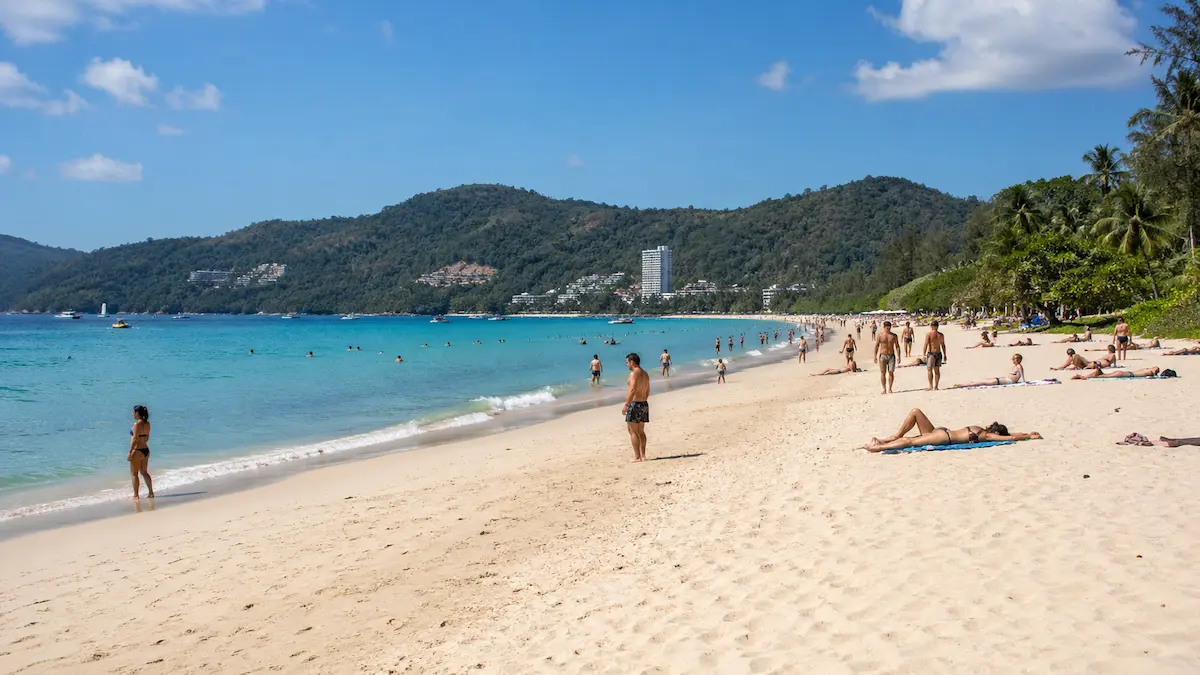
Phuket Seasons Explained
Unlike destinations with four clear seasons, Phuket works more simply: a dry season, a green season, and a couple of transition months where conditions can swing either way. Understanding this helps far more than obsessing over one exact week on the calendar.
Dry Season (November to April)
For many travellers, this is the classic Phuket window.
Rainfall is generally lower, skies are often clearer, and the west coast beaches such as Patong Beach, Kata Beach, and Bang Tao Beach tend to be at their most inviting. Seas are often calmer, which can improve swimming conditions and make island tours smoother.
This is also when Phuket feels most internationally active. Restaurants are busier, beach clubs are operating at full rhythm, and nightlife areas carry more energy.
The trade-off is simple: better conditions usually mean higher prices and more people.
If you want an easier, low-risk first trip, dry season is the safest bet.
Shoulder Season (April, May, October)
These months sit between the two main patterns and can be underrated.
You may get stretches of sunshine mixed with tropical showers. Prices often soften compared with peak season, while the island still has good momentum. For travellers who care about value and do not need “perfect every day,” this can be a smart window.
April is hotter. May can begin shifting wetter. October often starts turning back toward high season.
These months reward flexible travellers.
Green Season / Rainy Season (May to October)

This period is often misunderstood.
Rainy season does not mean nonstop rain every day. Many days still have sunshine, and showers may arrive in bursts. The island also becomes greener, roads quieter, and hotel deals more attractive.
However, sea conditions on west coast beaches can become rougher, and some tour days may be affected by weather. If your dream trip is daily swimming and guaranteed calm sea, this is less ideal.
If you value space, lower costs, and don’t mind adapting plans, green season can be excellent. Weather data and seasonal patterns can be checked through Thailand Meteorological Department.
Best Time to Visit Phuket Month by Month
If you like planning with more precision, here is what each month in Phuket usually feels like. Weather always varies year to year, but these patterns are useful for real decision-making.
January
One of the strongest months to visit Phuket. Expect warm sunny days, lively atmosphere, and strong beach conditions. Popular areas such as Patong are busy, so book early.
Best for: First trips, beach holidays, nightlife, couples.
February
Often considered one of the best all-round months. Good weather, lower rain risk, and slightly more settled travel rhythm after holiday season crowds.
Best for: Easy wins, premium trips, island tours.
March
Still a strong month, with warm weather and good beach time. Heat begins rising, but conditions are still attractive for most travellers.
Best for: Families, beach lovers, shoulder edge value.
April
Hotter and more humid. Still popular, especially around Thai New Year and Songkran, which brings a fun social atmosphere.
Best for: Festivals, energetic trips, nightlife.
May
Transition month. You can still get very good days, but wetter patterns begin appearing more regularly. Prices often improve.
Best for: Value seekers, flexible travellers.
June
A smart month many people overlook. Some rain risk, but often good usable travel days and better accommodation deals.
Best for: Good value holidays, repeat visitors.
July
Mixed conditions. Some excellent days, some wet spells. Popular with school holiday travellers.
Best for: Budget-conscious trips, green scenery.
August
Similar to July. Not peak beach perfection, but still very travelable if expectations are realistic.
Best for: Lower costs, quieter holiday style.
September
Usually one of the wetter months. Can still work, but you need flexibility and backup indoor plans.
Best for: Cheapest deals, long stays, relaxed pace.
October
Transition month back toward high season. Conditions can improve noticeably later in the month.
Best for: Smart timing, early season value.
November
One of the best strategic months. Weather often improves, island energy returns, and prices may still sit below peak December highs.
Best for: Balanced travellers, planners, strong value.
December
Excellent time to visit, especially mid to late month. Beaches, nightlife, and holiday atmosphere are strong, but demand rises sharply.
Best for: Festive holidays, premium trips, social atmosphere.
Best Time for Different Types of Travellers
The best time to visit Phuket changes depending on the kind of trip you actually want. This is where many people go wrong — they search for one universal answer instead of matching the month to the holiday.
First-Time Visitors
January to March
If it is your first Phuket trip, make life easy for yourself. These months usually offer dependable beach weather, smoother island tours, and fewer weather-related compromises. It is the easiest way to experience why Phuket is so popular.
Pair this with our Where to Stay in Phuket guide to choose the right base.
Families
December to April
Families often benefit from stronger weather windows because children and group travel usually work better with predictability. Calmer beach days and easier transport planning help.
Areas beyond Patong may suit many families better depending on style and budget.
Couples
November to February
This is an excellent period for couples wanting beach dinners, sunset days, island hopping, and more polished resort conditions. Premium areas such as Bang Tao Beach or Surin Beach can feel especially strong in these months.
Budget Travellers
May to October
If you care more about value than postcard certainty, this window can be excellent. Hotels often soften in price, flights may be better value, and the island can feel less crowded.
You trade certainty for savings.
Beach Lovers
December to March
If your holiday success depends on swimming, sand time, and classic tropical conditions, aim here. West coast beaches are often at their strongest.
See our Best Beaches in Phuket guide for choosing the right stretch of sand.
Nightlife & Social Trips
December to March
This is when places like Patong usually feel most energetic. More visitors, more movement, stronger atmosphere.
Repeat Visitors / Smarter Travellers
June or November
These months often reward travellers who understand trade-offs. Better value, decent conditions, and less peak-season pressure can create a more enjoyable trip than blindly chasing January prices.
Cheapest Time to Visit Phuket
If price matters more than perfect weather, the cheapest time to visit Phuket is usually during the green season from May to October, with the strongest bargains often appearing in September and parts of October.
This is when demand is lower, which can create real savings across several parts of your trip.
Hotels and Resorts
Accommodation prices often soften significantly outside peak season. Rooms that feel expensive in January can become far more reasonable in quieter months. This is especially useful if you want to stay in stronger areas or upgrade room quality without stretching your budget.
In simple terms: off-season can buy a better holiday for the same money.
Flights
Flight pricing varies by departure country and school holiday calendars, but shoulder and wetter months can sometimes offer better fares than December through February.
If dates are flexible, compare a few surrounding weeks rather than locking into one exact day.
Tours and Daily Spending
Some tours run promotions in slower periods, and popular areas may feel less pressured overall. Restaurants and beach towns can also feel easier to enjoy when everything is not packed.
The Trade-Off
Lower prices exist for a reason: weather becomes less predictable.
That does not mean a ruined trip. Many travellers visit Phuket in these months and have a great time. It means you should book with realistic expectations and build a holiday that can handle occasional rain.
Smart Value Windows
If you want savings without diving fully into the wettest period, look closely at:
- May
- June
- October
- Early November
These months often offer a strong balance between price and usability.
Practical Advice
Do not chase the absolute cheapest month if one rainy week would frustrate you. Saving money only helps if the trip still suits your personality.
Worst Time to Visit Phuket?
Many articles try to name one “worst” month to visit Phuket, but that is usually lazy advice. The reality is simpler:
There is no universally worst time to visit Phuket. There are only trade-offs.
A month that disappoints one traveller can be perfect for someone else.
If You Want Perfect Beach Weather
Then the wetter months — especially parts of September or October — may feel less ideal. Sea conditions can be rougher, sunshine less predictable, and island-hopping tours more affected by weather.
If your dream holiday is calm turquoise water every day, choose dry season instead.
If You Hate Crowds and High Prices
Then late December and January may feel like the worst time for you. Phuket is popular for good reason during this period, but busier beaches, fuller hotels, and stronger pricing can reduce enjoyment for some travellers.
Excellent weather does not automatically equal the best experience.
If You Want Nightlife and Energy
Then quiet rainy-season weeks may feel flat compared with peak season. Some travellers want movement, packed venues, and a strong social atmosphere. Timing matters.
If You Want Value and Space
Then so-called off-season can actually be your best season. Lower prices, easier bookings, and a calmer island suit many people more than crowded sunshine months.
The Smarter Question to Ask
Instead of asking:
“What is the worst time to visit Phuket?”
Ask:
“What would make a Phuket trip feel wrong for me?”
That question usually leads to a much better answer.
Practical Summary
If you want easy first-trip conditions, avoid the wettest months.
If you hate crowds, avoid peak holiday weeks.
If you love bargains, do not fear green season.
The calendar matters less than matching the season to the traveller.
My Recommendation
If someone asked me for one practical answer on the best time to visit Phuket, I would not give the same month to everyone. Good travel planning starts with priorities, not slogans.
If It Is Your First Phuket Trip
Choose January or February.
These months usually give you the easiest version of Phuket: strong beach weather, active atmosphere, reliable touring conditions, and fewer compromises. If you simply want a high-probability great holiday, this is the safest play.
If You Want Best Overall Balance
Choose November.
This is one of the smartest months on the calendar. Conditions often improve, peak-season pressure has not fully arrived, and pricing can still be more reasonable than December or January.
A strong planner’s month.
If You Want Better Value
Choose June.
Not because it is perfect — because it can be excellent value. You may get mixed weather, but many travellers happily accept that in exchange for lower hotel rates and a more relaxed island feel.
If You Want Energy and Nightlife
Choose December to March.
Areas like Patong are usually at their liveliest, with stronger holiday momentum and more social atmosphere.
If You Want Quiet Luxury
Choose late November, February, or March.
Premium stays around Bang Tao Beach and surrounding areas can feel especially strong in these windows.
Final Take
There is no magic month that beats all others.
But if I had to recommend one month for the widest number of travellers, it would be November — strong upside, fewer downsides, and often better value than people expect.
Planning your Phuket trip? Get our free Phuket guide with area advice, transport tips, and smarter holiday planning.
Frequently Asked Questions
Is Phuket worth visiting in rainy season?
Yes — for many travellers, absolutely. Rainy season in Phuket does not usually mean nonstop rain every day. It often means mixed weather, tropical showers, greener scenery, and lower prices. If you value savings and flexibility, it can be a smart time to visit.
What is the hottest month in Phuket?
April is commonly one of the hottest months, with higher humidity and stronger daytime heat. It can still be a fun time to visit, especially around Songkran, but expect warm conditions.
Can you swim in Phuket year-round?
You can visit year-round, but swimming conditions vary by season and beach. During wetter months, west coast beaches may experience stronger surf or red warning flags. Always respect local safety flags and conditions.
Is Phuket crowded in December?
Yes, especially from mid-December onward. It is one of the most popular times to visit because weather is often strong and holiday travel demand rises. Book hotels early if travelling then.
Is July a bad time to visit Phuket?
No. July is not automatically a bad month. It is a trade-off month. You may get mixed weather, but also lower prices and fewer crowds than peak season. Many travellers still enjoy July trips.
What month has the best beaches in Phuket?
For classic calm beach conditions, December to March is often the strongest window. Beaches such as Kata Beach, Bang Tao Beach, and Nai Harn Beach can be especially appealing in this period.
How many days should I stay in Phuket?
For many travellers, 5 to 7 days works well. That gives enough time for beaches, one or two tours, food, and some slower downtime. If you want a more relaxed pace, 10+ days can be excellent.
Is November really a good month for Phuket?
Often yes. November can be one of the smartest timing choices because conditions usually improve while peak-season pricing and crowds have not fully arrived.