Phuket Travel Planning Guide (2026): Plan Your Trip Step by Step
Planning a trip to Phuket can feel simple at first—until you start looking at where to stay, what to do, how long to go for, and how everything actually fits together.
That’s where most people get stuck.
This Phuket travel planning guide is designed to simplify the entire process. Instead of jumping between different articles and trying to piece everything together, this page walks you through exactly how to plan your trip step by step—so you can build something that actually works.
Phuket isn’t a destination where you can just arrive and figure it out as you go, especially if you want to make the most of your time. The island is bigger than most people expect, travel between areas takes time, and choosing the wrong base or itinerary can quickly turn a good trip into a frustrating one.
The good news is that once you understand how Phuket fits together, planning becomes much easier.
By the end of this guide, you’ll know how long to stay, where to base yourself, how to structure your days, and what’s actually worth doing—without overcomplicating it.
This Phuket travel planning guide is designed to give you a clear structure from start to finish.
Quick Planning Summary
If you want a quick answer before diving deeper into this Phuket travel planning guide, here’s how to plan your trip in simple terms:
- Trip length:
Most travellers need 5 to 7 days in Phuket to experience the island properly without rushing. If you’re unsure, it helps to decide how many days in Phuket based on your travel style before anything else. - Where to stay:
Choose your base carefully. Patong is best for nightlife and convenience, while Kata and Karon offer a more balanced experience. Quieter areas like Bang Tao or Rawai suit relaxed or longer stays. Understanding where to stay in Phuket is one of the most important decisions you’ll make. - What to do:
Plan a mix of beach time, local exploring, and 1–2 standout experiences. Island trips like visiting the Phi Phi Islands are popular, but they should be spaced out rather than packed together. Looking at the full range of Phuket day trips helps you decide what’s actually worth your time. - How to structure your days:
A simple plan makes a big difference. Following a clear Phuket itinerary keeps your trip balanced and avoids wasting time figuring things out day by day.
If you get these four things right, the rest of your trip becomes much easier to manage.
Decide Your Trip Length
Before you look at hotels or plan activities, you need to decide how long to stay in Phuket.
This sets the foundation for everything else.
A short trip of 3 to 4 days works if your focus is beaches, food, and a bit of nightlife in one main area. 5 to 7 days is the most common choice and gives you enough time to explore properly without feeling rushed. If you want a slower pace or plan to include multiple areas and day trips, then 7 to 10 days or more makes a big difference.
The mistake most people make is choosing a number of days without thinking about what they actually want from the trip.
If you’re not sure what fits your travel style, it’s worth understanding how many days in Phuket you really need before you start building your itinerary, rather than trying to adjust everything later.
Once your trip length is clear, the next step is choosing the right area to stay.
Choose the Right Area
Once you know how long you’re staying, the next step is choosing where to base yourself.
This decision has a bigger impact on your trip than most people expect.
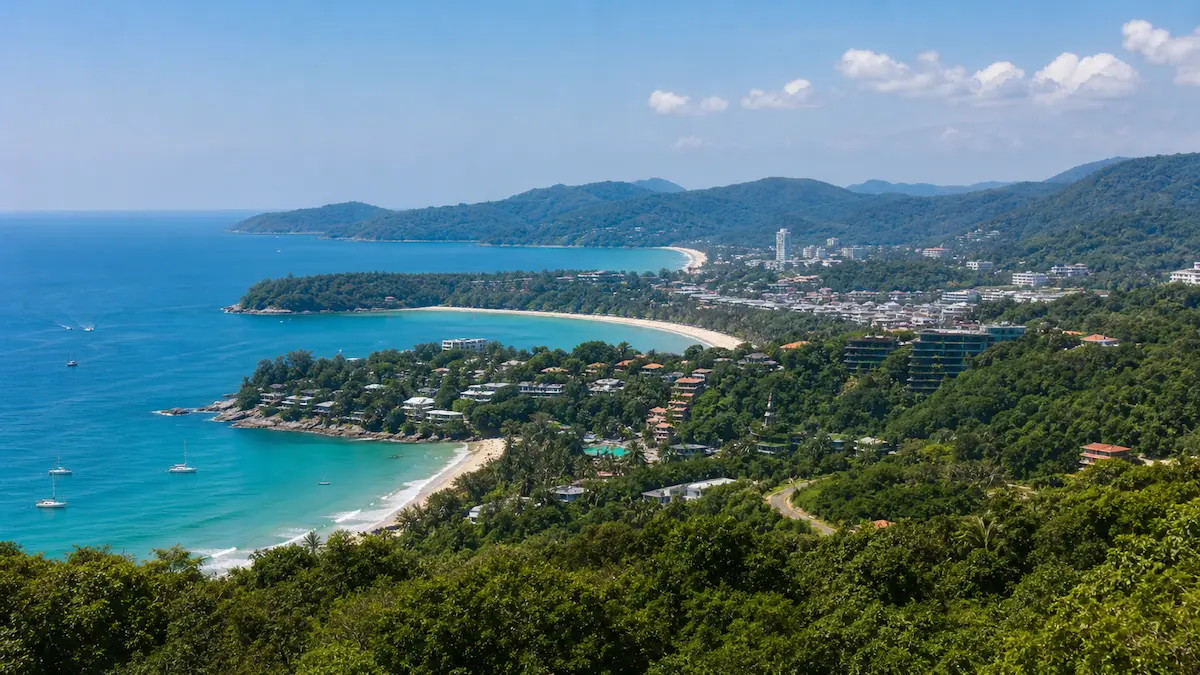
Phuket isn’t a small island, and moving between areas takes time. Staying in the wrong location can turn a well-planned trip into one that feels rushed or inconvenient, especially if you’re constantly travelling back and forth.
For most visitors, the choice comes down to a few key areas.
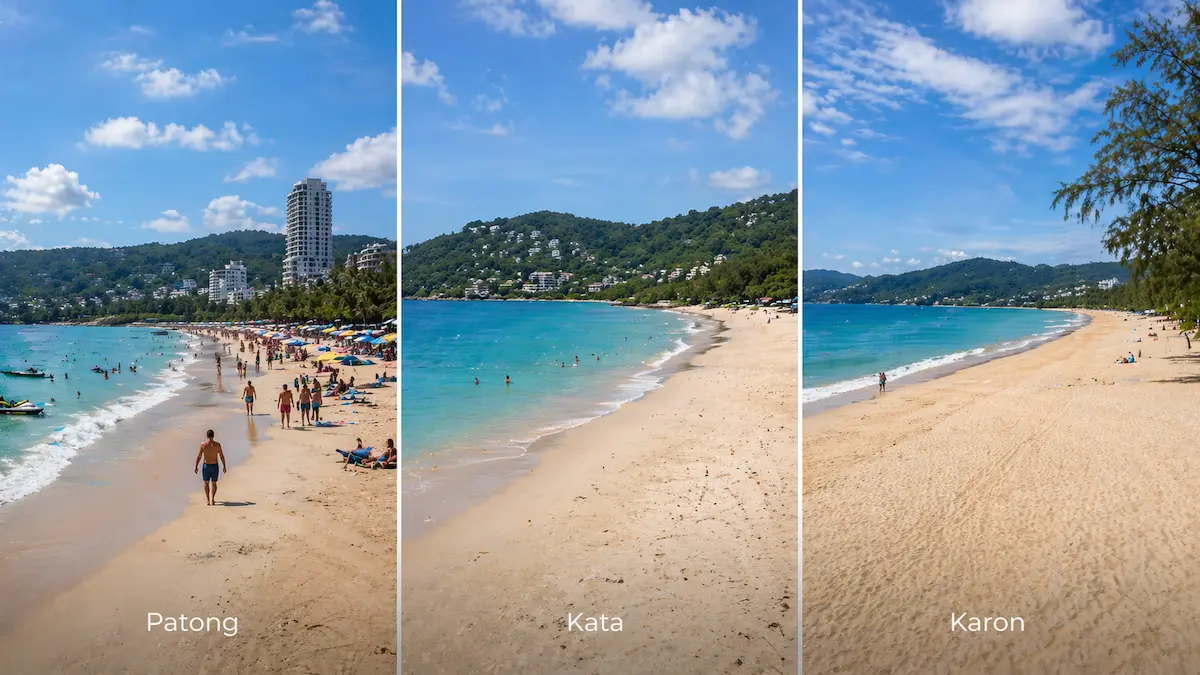
If you want convenience, nightlife, and everything within walking distance, Patong is the obvious option. If you’re looking for a more balanced stay, with good beaches and a slightly calmer atmosphere, Kata and Karon are often better choices. For a quieter or more refined experience, areas like Bang Tao or Surin offer a slower pace and a different feel altogether.
Understanding these differences early is essential. A good starting point is comparing the main areas side by side—especially when deciding between Patong, Kata, and Karon—so you can match your base to your trip style.
If you’re still unsure, it’s worth going deeper into where to stay in Phuket based on your priorities, rather than choosing based on photos alone.
Using this Phuket travel planning guide, choosing the right area is one of the most important decisions you’ll make.
Getting this step right makes the rest of your planning much easier.
Understand the Beaches
Once you’ve chosen your base, it helps to understand how Phuket’s beaches actually differ.
They might look similar in photos, but the experience can vary quite a lot depending on where you go.
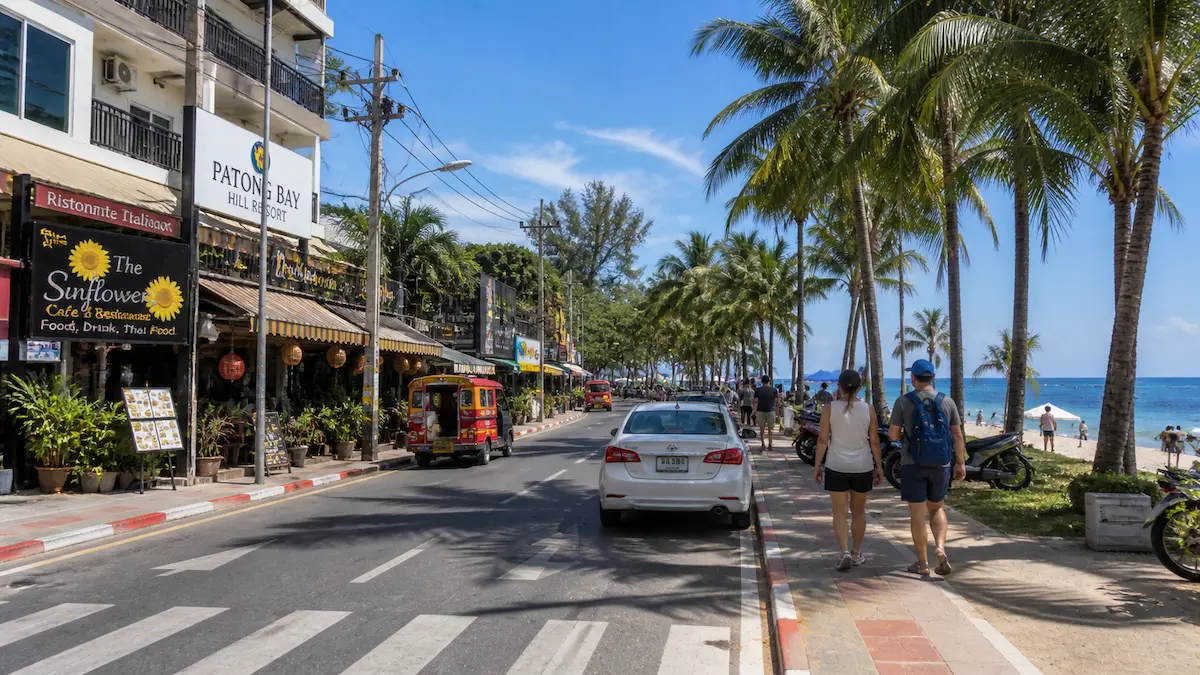
Some beaches are built around convenience and activity, while others are quieter and better suited to relaxing. That’s why it’s worth getting a quick overview of the best beaches in Phuket, so you know what to expect before you arrive.
For example, Patong Beach is known for its energy and easy access to nightlife, while Kata and Karon offer a more balanced mix of beach quality and atmosphere. Further north, areas like Bang Tao tend to feel more open and less crowded, with a slightly more upscale feel.
You don’t need to visit every beach—but understanding the differences helps you choose the ones that actually match your trip, rather than just following the most popular names.
Plan Your Itinerary
Once you’ve chosen your trip length, base, and the kind of beaches you want to visit, the next step is putting it all together into a simple plan.
This is where most trips either come together—or start to fall apart.
Without a structure, it’s easy to overpack your days or waste time figuring things out as you go. On the other hand, a clear plan doesn’t mean scheduling every hour—it just means knowing what each day is roughly for.
A good approach is to build your trip around a mix of:
- Beach time
- 1–2 key experiences or day trips
- Evenings out or local exploring
Spacing things out is important. Full-day tours, for example, take more energy than people expect, so putting them back-to-back usually makes the trip feel rushed rather than enjoyable.
If you’re not sure how to organise your days, it helps to follow a proven Phuket itinerary that matches your trip length and travel style, rather than trying to build everything from scratch.
Once your days are structured, the next step is deciding which experiences are actually worth including.
Choose Experiences & Tours
Once your itinerary has a basic structure, the next step is choosing which experiences are actually worth including.
Phuket offers a huge range of tours and activities, but you don’t need to do everything. In fact, trying to fit too many experiences into one trip is one of the fastest ways to make it feel rushed.
Most travellers only need one or two standout experiences.
Island trips are the most popular, especially visits to places like the Phi Phi Islands. These are full-day experiences, often starting early and involving travel time, so they should be spaced out rather than stacked together.
Beyond that, you might choose a second experience depending on your interests—another island route, a cultural visit, or simply more time exploring different parts of Phuket.
If you’re not sure what to prioritise, it helps to look at the full range of Phuket day trips available so you can decide what actually fits your trip, rather than booking based on popularity alone.
For specific routes, comparing different options—such as choosing between Phi Phi tours from Phuket—can also make a big difference in terms of timing, pace, and overall experience.
The goal isn’t to do more—it’s to choose better.

Plan Transport
Once your itinerary is set, it’s worth thinking about how you’ll actually move around.
Most trips start with getting from Phuket International Airport to your hotel. This is usually straightforward, but planning it in advance avoids unnecessary stress after arrival. If you’re heading to Patong or nearby areas, it helps to understand your Phuket airport to Patong transfer options so you know what to expect.
Getting around the island is where people often underestimate time.
Phuket is spread out, and moving between beaches or areas isn’t always quick. Taxis and ride apps are the most common options, while scooters can be convenient if you’re comfortable riding—but they’re not essential for most travellers.
The key is simple: minimise unnecessary travel.
Choosing the right base and grouping activities by location will make your trip feel much smoother than constantly moving between opposite sides of the island.
Timing Your Trip
Once the main parts of your trip are in place, it’s worth thinking about when you’re visiting.
Phuket is a year-round destination, but the experience changes depending on the season.
The dry season (roughly November to April) is the most popular, with more consistent sunshine and calmer seas—especially important if you’re planning island tours. The wetter months (May to October) bring occasional heavy rain and rougher water, but also fewer crowds and lower prices.
Neither option is “right” or “wrong”—it just depends on what kind of trip you want.
If you’re building your trip around beaches and tours, timing matters more. If you’re staying longer or travelling at a slower pace, the season becomes less of a limitation.
If you’re unsure how this affects your plans, it helps to look at the best time to visit Phuket based on your travel style, rather than relying on a generic answer.
Areas & Where to Stay
Choosing the right area is one of the most important parts of planning your trip.
Phuket isn’t a single destination—it’s a collection of different areas, each with its own feel. Where you stay will shape your entire experience, from how easy it is to get around to what your days and nights look like.
If you want convenience, nightlife, and everything within walking distance, Patong Beach is the obvious choice. It’s the busiest part of the island, but also the easiest place to base yourself if you want a simple, high-energy trip.
For a more balanced experience, Kata and Karon are often better options. They offer good beaches, plenty of restaurants, and a more relaxed atmosphere while still being easy to navigate. Understanding the difference between Kata and Karon helps you choose between slightly livelier or slightly quieter without losing convenience.
If you prefer something calmer or a bit more refined, areas further north like Bang Tao and Surin offer a different pace. You’ll find more space, beach clubs, and a less crowded feel overall—especially around Bang Tao Beach and nearby areas. Comparing Bang Tao and Surin can help you decide how quiet or upscale you want your stay to be.
For longer stays or a more local feel, Rawai and Nai Harn in the south are worth considering. These areas are less focused on short-term tourism and better suited to a slower pace, with a mix of local restaurants, cafés, and access to quieter beaches.
If you’re still unsure, the easiest way to decide is to match your area to your trip style—whether that’s convenience, balance, or relaxation. A full breakdown of where to stay in Phuket based on your priorities makes this much clearer and helps you avoid choosing based on photos alone.
Itinerary Planning
Once you’ve chosen your trip length, area, and the experiences you want to include, the next step is bringing everything together into a clear plan.
This is where your trip either feels smooth—or starts to feel disjointed.
A good itinerary isn’t about filling every hour. It’s about giving each day a purpose so you’re not constantly deciding what to do next or moving back and forth across the island unnecessarily.
The simplest way to structure your time is to group your days by location and energy level. For example:
- Beach-focused days based around your local area
- One or two full-day experiences or island trips
- Evenings kept flexible for food, markets, or nightlife
Spacing is important. Full-day tours take more time and energy than expected, so placing them back-to-back often makes the trip feel rushed rather than enjoyable.
If you’re not sure how to organise your days, it helps to follow a proven Phuket itinerary that matches your trip length, rather than trying to build everything from scratch. This gives you a solid structure while still leaving room to adjust based on your preferences.
It’s also worth making sure your itinerary aligns with how long you’re staying. Understanding how many days in Phuket works for your travel style helps you avoid trying to fit too much into too little time—or leaving gaps where you’re not sure what to do.
At this stage, your Phuket travel planning guide should start to come together into something clear and manageable.
When everything is aligned—your days, location, and experiences—the trip starts to feel easy.aligned—days, location, and experiences—the trip starts to feel easy.
Transport & Getting Around
Getting around Phuket is straightforward once you understand how the island is laid out—but it’s something many people underestimate when planning their trip.
Most journeys start at Phuket International Airport. From there, you’ll need to get to your hotel, which can take anywhere from 30 minutes to over an hour depending on where you’re staying. Planning your Phuket airport to Patong transfer in advance (or to your chosen area) makes arrival much smoother, especially after a long flight.
Once you’re on the island, the main thing to remember is that Phuket is spread out.
Moving between areas like Patong, Kata, and Bang Tao isn’t always quick, and traffic can add time during peak periods. That’s why choosing the right base early is so important—it reduces how much you need to travel during your stay.
For most travellers, taxis and ride apps are the easiest way to get around. They’re widely available and remove the need to navigate unfamiliar roads. Some visitors choose to rent scooters for flexibility, but this only makes sense if you’re confident riding and understand local conditions.
The simplest way to avoid transport issues is to plan your days by location. Group activities in the same area, avoid unnecessary backtracking, and allow extra time when travelling further distances.
When transport is planned properly, everything else feels easier.
Costs & Timing
Costs in Phuket can vary more than most people expect, and timing plays a big role in that.
During the high season (roughly November to April), you’ll generally see higher prices for hotels, tours, and transport. The trade-off is more consistent weather, calmer seas, and easier conditions for beach time and island trips.
In the lower season (May to October), prices tend to drop. You’ll find better deals on accommodation and a quieter overall atmosphere, but with the possibility of rain and rougher water—especially for tours. For many travellers, this isn’t a problem, but it does change how you plan your days.
The key point is that Phuket doesn’t have a single “best” time—it has different advantages depending on what you want from your trip.
If your priority is island hopping and beach conditions, timing matters more. If you’re planning a longer stay or a slower trip, flexibility becomes more important than perfect weather.
If you want a clearer breakdown of how this affects your plans, it’s worth looking at the best time to visit Phuket based on your travel style, rather than relying on general assumptions.
Budget-wise, Phuket can be done at a range of levels—from simple, affordable stays to more premium experiences—so your overall cost will largely depend on the style of trip you choose.
Common Mistakes
Most issues people run into when planning a Phuket trip aren’t bad luck—they come from a few common mistakes.
The biggest one is trying to plan everything in isolation.
People choose a hotel without thinking about location, book tours without considering travel time, and decide how long to stay without matching it to what they want to do. The result is a trip that feels rushed, disjointed, or harder than it needs to be.
Another common mistake is choosing the wrong area.
Phuket’s locations can look similar online, but they feel very different in reality. If you’re unsure, it’s worth comparing places like Patong, Kata, and Karon before booking, rather than relying on photos or price alone. The same applies if you’re considering quieter or more premium areas—understanding the difference between Bang Tao and Surin helps you avoid ending up somewhere that doesn’t match your expectations.
Finally, many travellers try to fit too much into their itinerary.
A well-paced plan will almost always feel better than one packed with back-to-back tours and constant travel. Taking the time to build a simple structure—based on your trip length and priorities—makes a bigger difference than adding more activities.
Conclusion
Planning a trip doesn’t need to be complicated—but it does need to be structured.
This Phuket travel planning guide is designed to give you that structure, so you’re not trying to piece everything together after you arrive. Once you’ve decided how long to stay, chosen the right area, and built a simple plan for your days, the rest of the trip becomes much easier to manage.
Most problems people run into in Phuket come from small decisions made too late—choosing the wrong location, overpacking an itinerary, or underestimating travel time between areas.
If you want to avoid that, start by locking in your basics. Follow a clear Phuket itinerary and make sure you understand where to stay in Phuket based on your travel style, not just availability or price.
If you get those right, your trip will feel smooth, balanced, and far more enjoyable from the start.
If you want to skip the trial and error, you can use the free Phuket guide to see exactly how to structure your trip based on your travel style, preferred areas, and time available.
👉 Get the free Phuket travel guide here
What is the best way to plan a trip to Phuket?
The best way to plan a trip to Phuket is to follow a simple structure: decide how long you’re staying, choose the right area, plan a basic itinerary, and then add 1–2 key experiences. Keeping it simple usually leads to a better trip.
How far in advance should I plan a Phuket trip?
For most travellers, planning 2 to 6 weeks in advance is enough. During peak season (December to March), booking earlier helps secure better accommodation and tour availability.
Do I need to book tours before arriving in Phuket?
Not always. Many tours can be booked once you arrive, but popular options—especially island trips—can fill up quickly in high season. It’s usually better to plan your main experiences in advance and leave smaller decisions flexible.
Is Phuket easy to plan without a travel agent?
Yes, Phuket is relatively easy to plan independently. Most transport, accommodation, and tours are accessible online. The key is understanding how the island is laid out so you can avoid unnecessary travel and poor location choices.
What is the biggest mistake when planning a Phuket trip?
The biggest mistake is trying to do too much in too little time. Overpacking your itinerary and choosing the wrong area can make the trip feel rushed and inconvenient.
Should I stay in one area or move around Phuket?
For shorter trips, it’s usually better to stay in one area to avoid wasting time moving between locations. For longer stays, splitting time between two areas can give you a better overall experience.
Is Phuket suitable for first-time travellers to Thailand?
Yes, Phuket is one of the easiest places in Thailand for first-time visitors. It offers a mix of beaches, infrastructure, and activities, making it a good introduction without being too overwhelming.
What does a Phuket travel planning guide include?
A good Phuket travel planning guide covers trip length, where to stay, itinerary structure, transport, and key experiences so your trip runs smoothly.