Patong Beach Phuket: What the Area Is Really Like
Some beaches whisper. Patong Beach Phuket doesn’t. It hits you like heat off concrete the moment your sandals touch the sand — loud, colourful, flawed, addictive. It’s the kind of place people swear they’ll never visit again… right up until they find themselves checking flight prices back to Phuket.
First Steps on Patong Beach Phuket
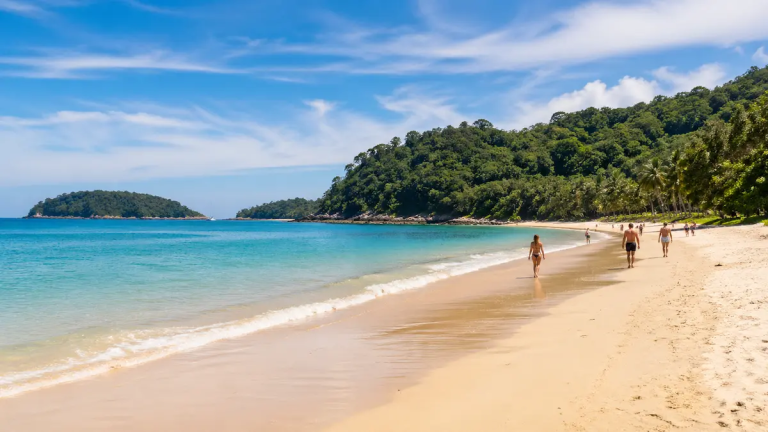
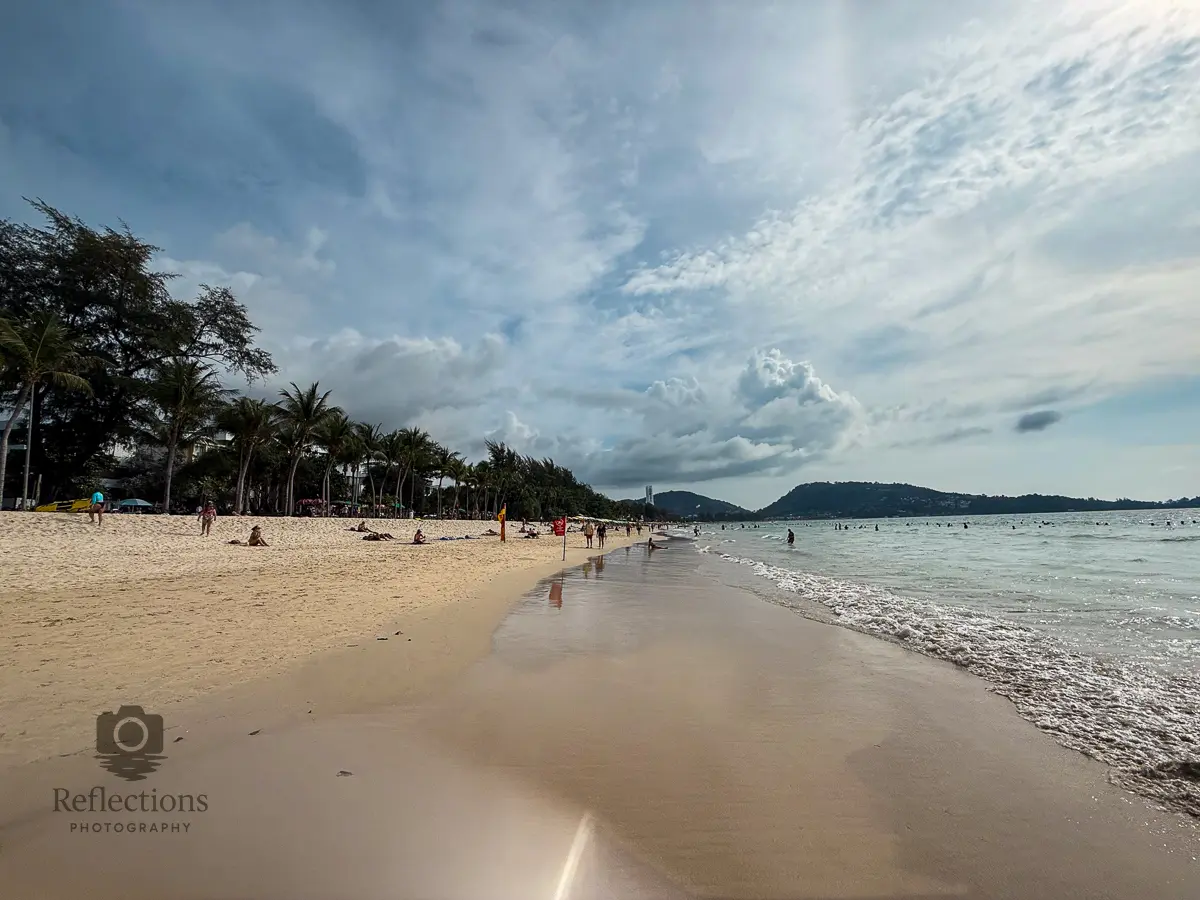
The first time you walk onto Patong Beach Phuket, the light feels almost too bright. The sand isn’t the soft, untouched powder from travel brochures — it’s trampled and lived-in, a runway for flip-flops and bare feet and the occasional slightly lost tourist in leather shoes.
You hear the bay before you really see it. Jet skis buzz, parasails drift overhead like neon jellyfish, a Bluetooth speaker leaks Thai pop into the air. Someone is arguing about the price of a coconut. Someone else is already on their second beer and it isn’t even midday.
It’s not subtle. Patong isn’t trying to seduce you with quiet charm. It shakes your hand, slaps your shoulder, and says: you made it — now decide what kind of trip you want this to become.
The Layers Under the Sand
It’s hard to imagine now, but once upon a time this bay was quiet enough that the loudest sound at night was the sea and a few scooters climbing the hill.
In the 1960s and 70s, before package tourism arrived, the beach was mostly jungle and fishermen. Families repaired nets by oil lamp while wooden boats rested on sand that had never seen a cocktail menu or neon sign.
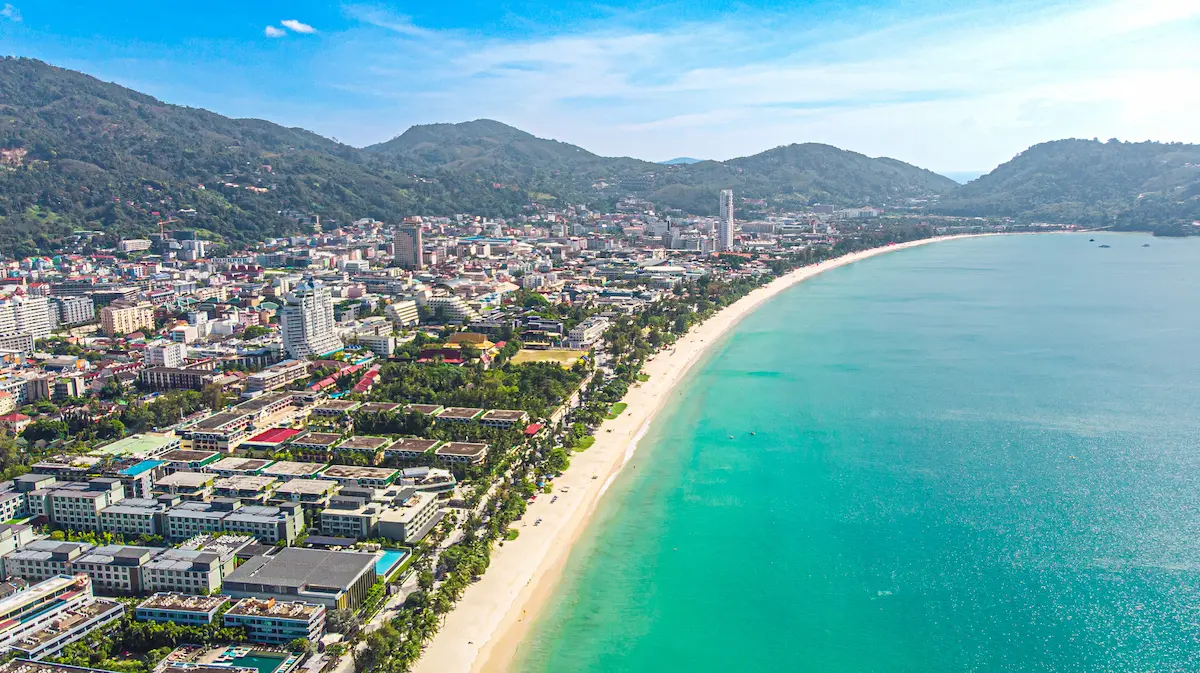
Then came backpackers, charter flights, bigger roads, nightlife, and eventually Bangla Road becoming one of the most recognisable entertainment streets in Thailand. Patong transformed from a hidden bay into Phuket’s busiest tourism centre.
The tsunami of 2004 changed the beach forever. Years later, the pandemic silenced it again. Yet every time Patong seems finished, the lights switch back on and the crowds return.

A Day in the Life of the Beach
If you want to understand Patong Beach Phuket, walk it at different hours. Early morning belongs to joggers, beach workers, swimmers, and locals setting up for the day. By late morning the umbrellas appear, vendors arrive, and the heat takes over.
Afternoons are full volume. Jet skis race across the bay, tourists negotiate beach chairs, parasails drift overhead, and the shoreline becomes a constant movement of voices, music, and activity.
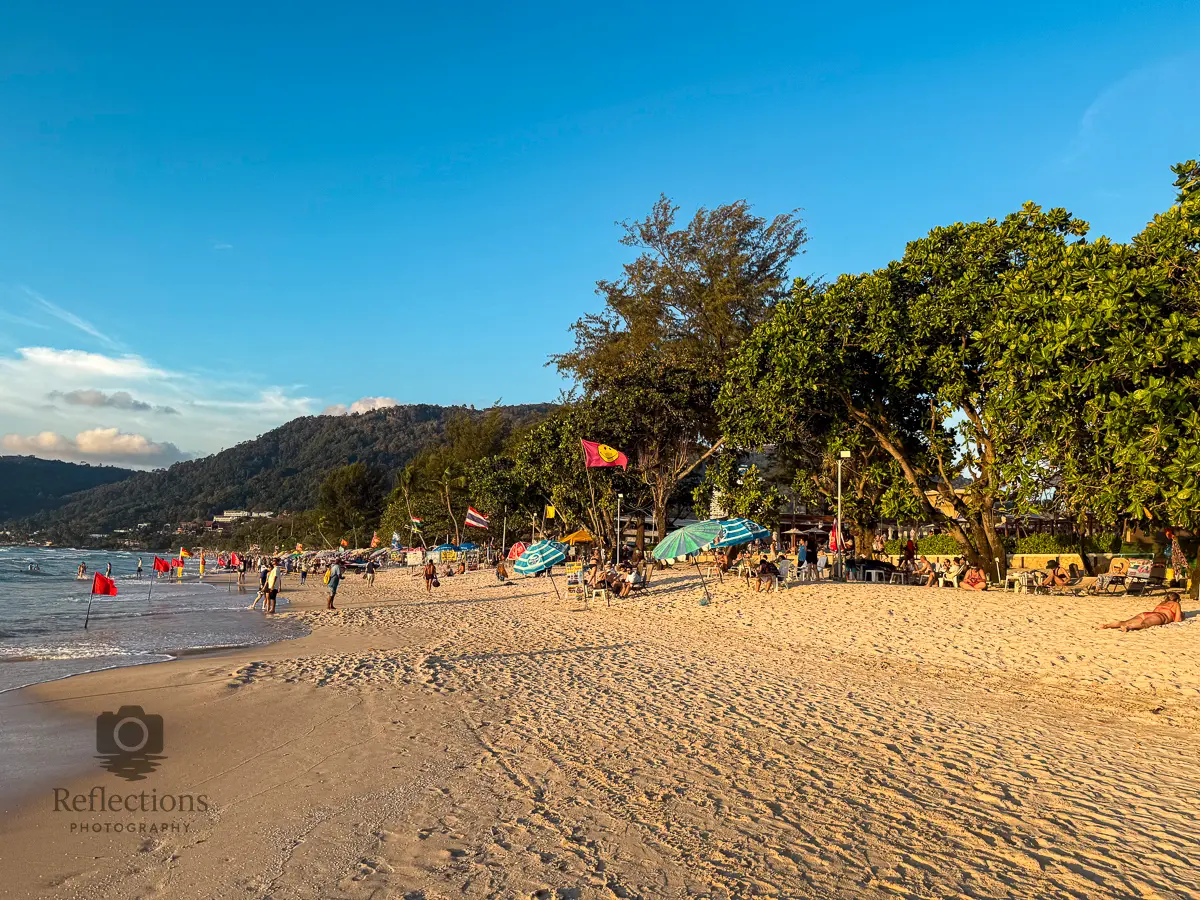
Then sunset changes everything. The sky turns orange and pink, conversations quieten, and for a few minutes almost everyone faces the water together.
After dark, the energy shifts inland towards Bangla Road, bars, live music, night markets, restaurants, and the strange unpredictability that Patong has built its reputation on.
Beauty, Bad Decisions, and Honest Flaws
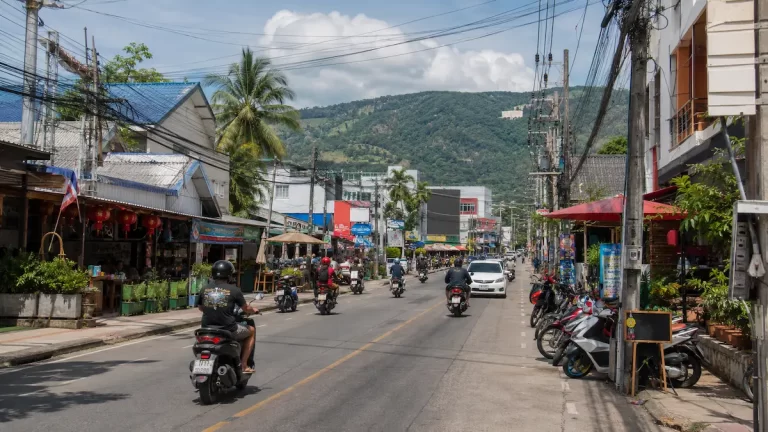
Patong is not a perfect tropical fantasy. Some days the water is beautiful; other days it is murky after rough weather or heavy tourism activity. There are tourist traps, aggressive sales tactics, inflated prices, and moments where the beach feels overwhelmed by the number of people trying to use it all at once.
But there is also honesty in that. Patong doesn’t pretend to be untouched paradise. It functions more like a living tourism city built around a beach — messy, energetic, convenient, sometimes frustrating, but undeniably alive.
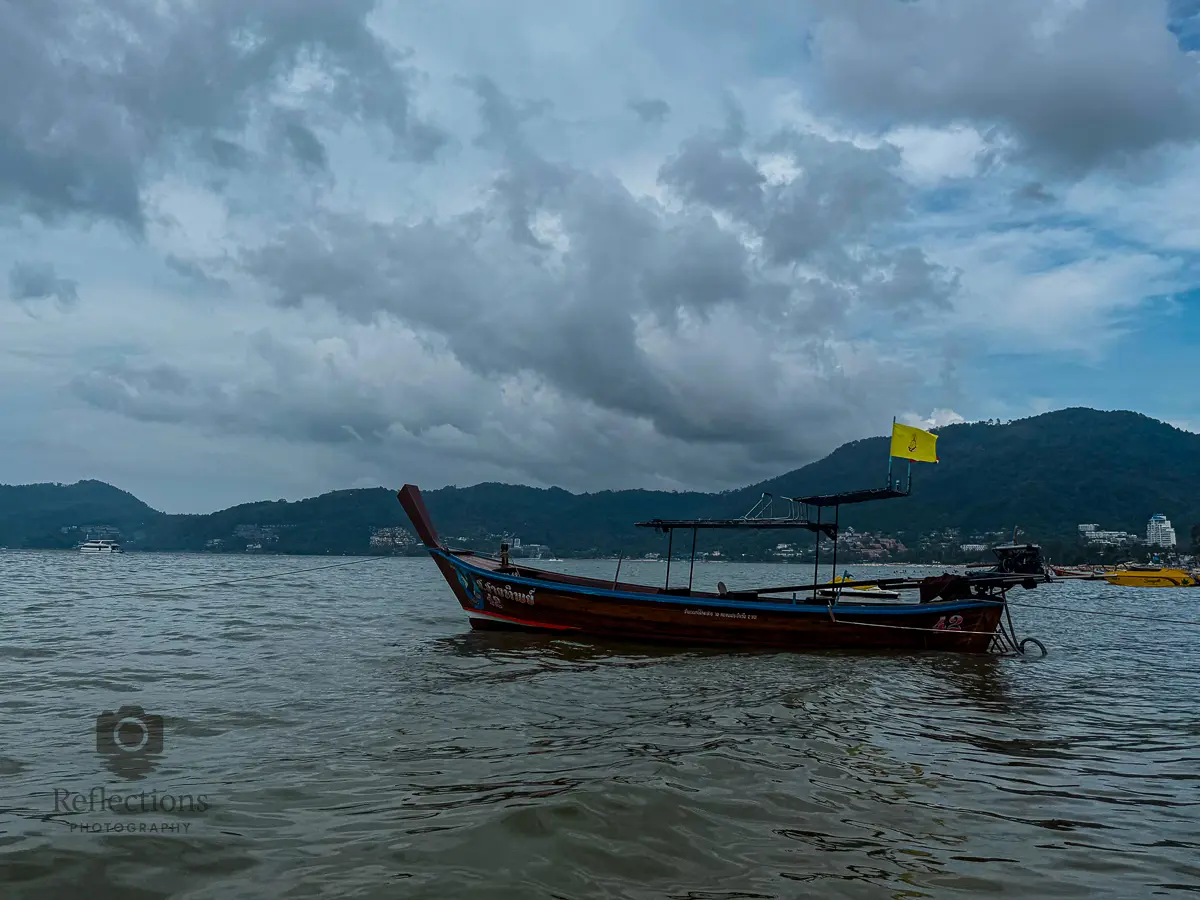
The Tunnel That Might Rewrite Patong
The proposed Kathu–Patong tunnel has become one of Phuket’s biggest long-term infrastructure discussions. The project would create a faster link between Patong and Phuket Town while reducing pressure on the steep mountain road connecting the two areas.
Supporters see easier transport and economic growth. Critics worry it could bring even more pressure, development, and overcrowding to an area already struggling with traffic and infrastructure during peak season.
The Patong Paradox
Some travellers describe Patong Beach Phuket as vibrant, exciting, and endlessly entertaining. Others call it overcrowded, noisy, and overwhelming. The strange thing is that both groups are completely correct.
Patong works best when you understand what it actually is: not a quiet retreat, but one of Southeast Asia’s biggest tourism ecosystems wrapped around a beach.
Living Beside Patong Beach Phuket
Living near Patong changes how you see it. Over time you stop viewing it as just a tourist destination and start noticing the people who keep it running: beach cleaners before sunrise, food vendors preparing stalls, long-stay expats walking the shore each evening, workers dealing with crowds most visitors barely notice.
You also start noticing the contradictions. Patong can be generous and exhausting, beautiful and chaotic, shallow and surprisingly human all within the same afternoon.
Is Patong Beach Phuket Worth It for You?
If you want complete silence and untouched beaches, Patong probably is not the right fit. But if you want convenience, nightlife, energy, sunsets, restaurants, day trips, and one of the most socially alive beaches in Thailand, Patong delivers something very few destinations can match.
It may not be the most beautiful beach in Thailand, but it is one of the most memorable.
Planning Your Phuket Trip
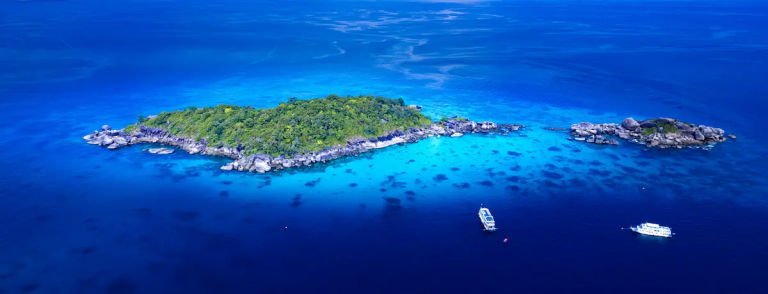
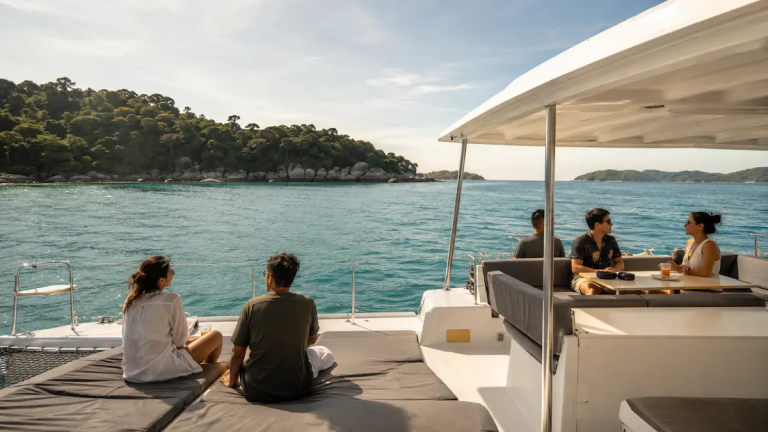
Want to explore more than just Patong Beach Phuket? Phuket has quieter beaches, local markets, hidden viewpoints, temples, island tours, and entire parts of the island many visitors never properly experience.
Resurgence Travel focuses on helping travellers build realistic Phuket itineraries based around how the island actually works once you arrive.
Want More About Patong?
Frequently Asked Questions About Patong Beach Phuket
Is Patong Beach Phuket safe for tourists?
Yes, Patong Beach Phuket is generally safe for tourists, especially in busy beachfront and hotel areas. Normal travel awareness is still important, particularly late at night around nightlife zones and crowded streets.
Can you swim at Patong Beach all year?
You can swim most of the year, but conditions change seasonally. During the monsoon season, strong waves and rip currents can appear, and red warning flags should always be taken seriously.
What is the best time to visit Patong Beach Phuket?
The most popular period is between November and April, when seas are calmer and rainfall is lower. The wet season can still be enjoyable, but weather becomes less predictable.
Is Patong Beach good for first-time visitors to Thailand?
Yes. Patong is one of the easiest places in Thailand for first-time visitors because everything is close together — hotels, restaurants, nightlife, shopping, tours, transport, and beaches.
Is Patong Beach Phuket expensive?
Patong can be budget-friendly or expensive depending on your travel style. Cheap street food and affordable hotels exist alongside luxury resorts, beach clubs, and higher-priced tourist venues.
Is Patong Beach good for families?
It can be, especially around the quieter northern and southern ends of the beach. Families wanting calmer evenings often stay slightly outside the centre of Bangla Road nightlife.
Why is Patong Beach Phuket so famous?
Patong became famous because it combines beaches, nightlife, shopping, restaurants, entertainment, and tourism convenience all in one area. Few beach destinations in Thailand operate at the same scale.
Is the water at Patong Beach clean?
Conditions vary. Some days the water is clear and calm, while rough weather or heavy tourism periods can make it murkier. Patong is a busy urban beach rather than an untouched island bay.
What is Bangla Road?
Bangla Road is Patong’s main nightlife street, filled with bars, clubs, live music venues, restaurants, and entertainment. It becomes pedestrian-only at night and is one of Phuket’s most visited nightlife areas.
How many days should you stay in Patong?
For many travellers, 2–4 days is enough to experience Patong properly while still leaving time to explore quieter parts of Phuket and nearby islands.