Chalong Guide
Introduction
Chalong Phuket is one of the most visited areas on the island, but not for the reasons many first-time travellers expect.
Unlike the west coast beach areas, Chalong Phuket is not built around tourism in the traditional sense. There’s no main beach, no resort strip, and no central walking area filled with restaurants and bars. Instead, it’s a more local, functional part of Phuket that people pass through or visit for specific reasons.
Those reasons are important.
Chalong is home to some of the island’s key landmarks and access points, including Wat Chalong, fitness and Muay Thai gyms, and the main pier used for island tours. It’s also a base for longer stays, especially for people training, working remotely, or looking for a quieter and more practical setup.
That’s where it fits into a trip.
Most travellers don’t stay in Chalong Phuket unless they have a specific reason. It works better as a place you visit or use as part of a wider plan, rather than the centre of your holiday.
If you’re deciding where to base yourself, it’s worth understanding how areas differ across the island through guides like Where to Stay in Phuket or building a clearer structure using the Phuket Travel Planning Guide.
In this guide, we’ll break down what Chalong Phuket is actually like, what to do there, and whether it’s worth including in your trip.
Where Chalong Is
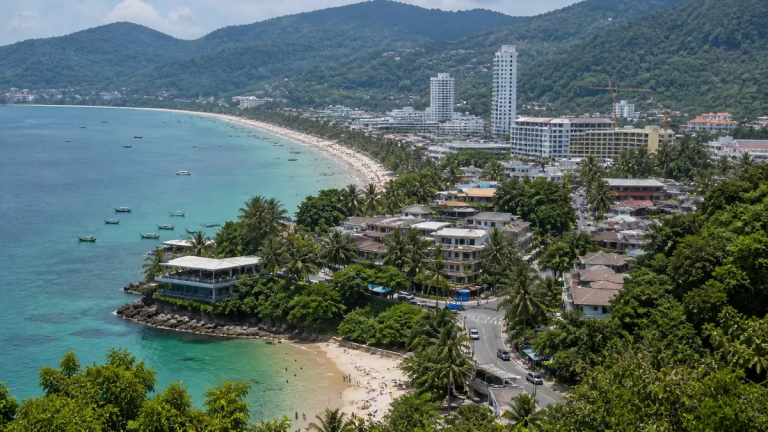
Chalong Phuket is located in the south-east of Phuket, away from the main west coast beach areas where most travellers stay.
This is an important distinction.
If you’re coming from places like Patong, Kata, or Karon, you’ll notice the shift immediately. Instead of coastal views and beach access, Chalong Phuket is more inland, with a mix of main roads, local neighbourhoods, and functional areas that serve both residents and visitors.
Chalong also sits in a useful position for moving around the island.
It’s relatively close to areas like Rawai Beach Guide and Kata Beach Guide, which means you can reach the coast within a short drive while still being based somewhere quieter and less tourist-focused.
At the same time, it’s not a walkable destination in the way beach towns are.
Getting around usually requires a scooter or taxi, and most places of interest are spread out rather than concentrated in one central area.
That’s why Chalong Phuket works best when you understand it as a base or a transit point rather than a destination you simply arrive in and explore on foot.
What Chalong Phuket Is Actually Like
Chalong Phuket is not a typical tourist area, and that’s the first thing you notice when you arrive.
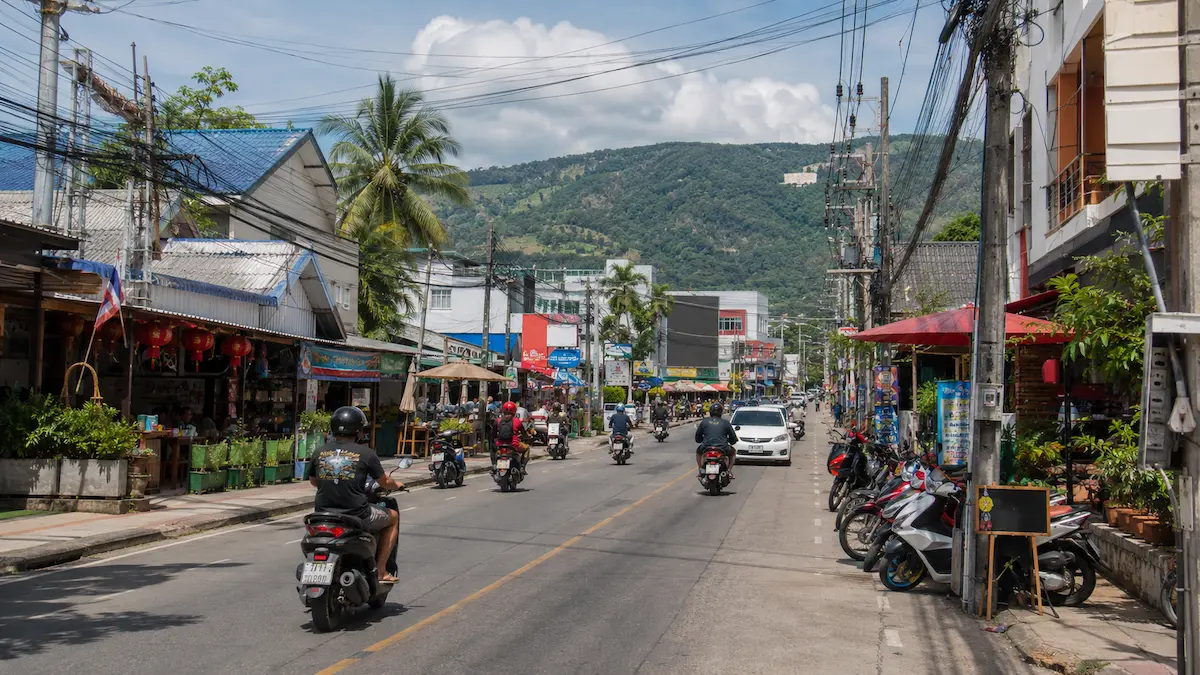
Instead of a central beach, walking streets, or a defined tourist zone, Chalong Phuket is spread out along main roads, with a mix of local businesses, residential areas, gyms, and everyday services. It feels more like a working part of the island than a destination built around short-term visitors.
Traffic is part of the experience.
The main roads through Chalong are busy for much of the day, especially around key junctions. It’s not chaotic in the same way as Patong, but it’s constant, and getting around usually involves short drives rather than walking.
The overall feel is more practical than polished.
You’ll find everything you need—cafés, restaurants, shops, gyms—but they’re not arranged in a way that encourages wandering. Places are spread out, and most people move between them with a purpose rather than exploring casually.
At the same time, Chalong Phuket has a strong mix of local and long-term expat presence.
This is especially noticeable around fitness and Muay Thai gyms, where people stay for weeks or months at a time. That creates a different kind of atmosphere compared to the beach areas, with more routine and less focus on short-term tourism.
There are also key landmarks that bring visitors into the area.
Wat Chalong is one of the most important temples in Phuket, and Chalong Pier acts as a main departure point for island tours. These are the main reasons most travellers pass through rather than staying for extended periods.
This is why expectations matter.
Chalong Phuket isn’t designed for relaxed beach days or easy exploration on foot. It works better as a base, a transit area, or a place you visit for specific activities rather than somewhere you spend your entire trip.
Things to Do in Chalong Phuket
Chalong Phuket isn’t about wandering and discovering attractions randomly. Most things to do here are specific and purpose-driven, which is why people tend to come with a plan rather than exploring casually.
Visit Wat Chalong
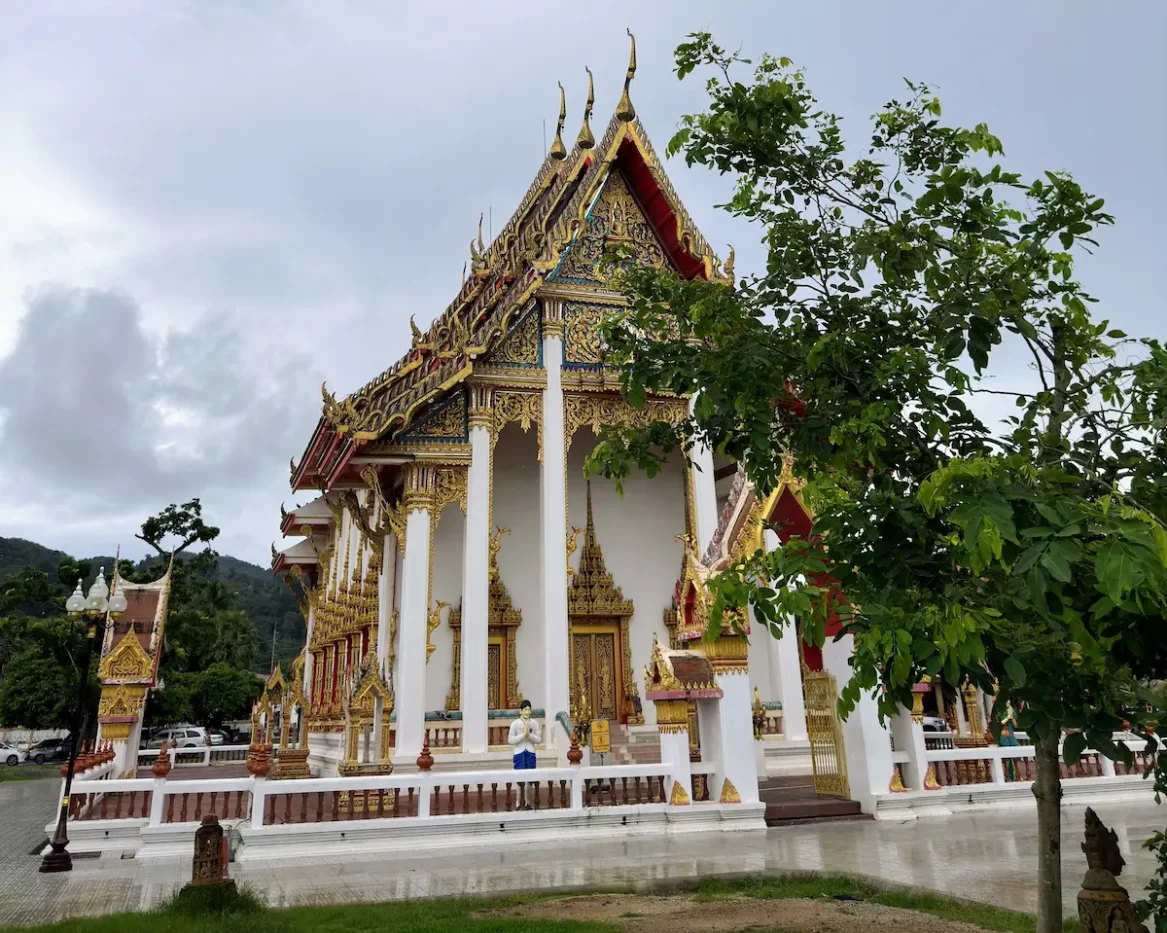
The main reason most travellers visit Chalong Phuket is Wat Chalong.
It’s the largest and most important temple on the island, and it’s well worth seeing if you’re interested in Thai culture or want to experience something beyond the beach areas. The temple complex is easy to walk around, and you don’t need a long time to visit—usually 30 to 60 minutes is enough.
This is the one place in Chalong that almost every visitor ends up seeing.
Access the Big Buddha
Chalong Phuket is one of the main access points for the Big Buddha.
You don’t actually visit the statue from Chalong itself, but this is where the road begins to climb up the hill. Many people combine a visit to Wat Chalong with a trip up to the viewpoint, as they are located close to each other.
It works well as part of a short inland route rather than a standalone trip.
Fitness and Muay Thai Training
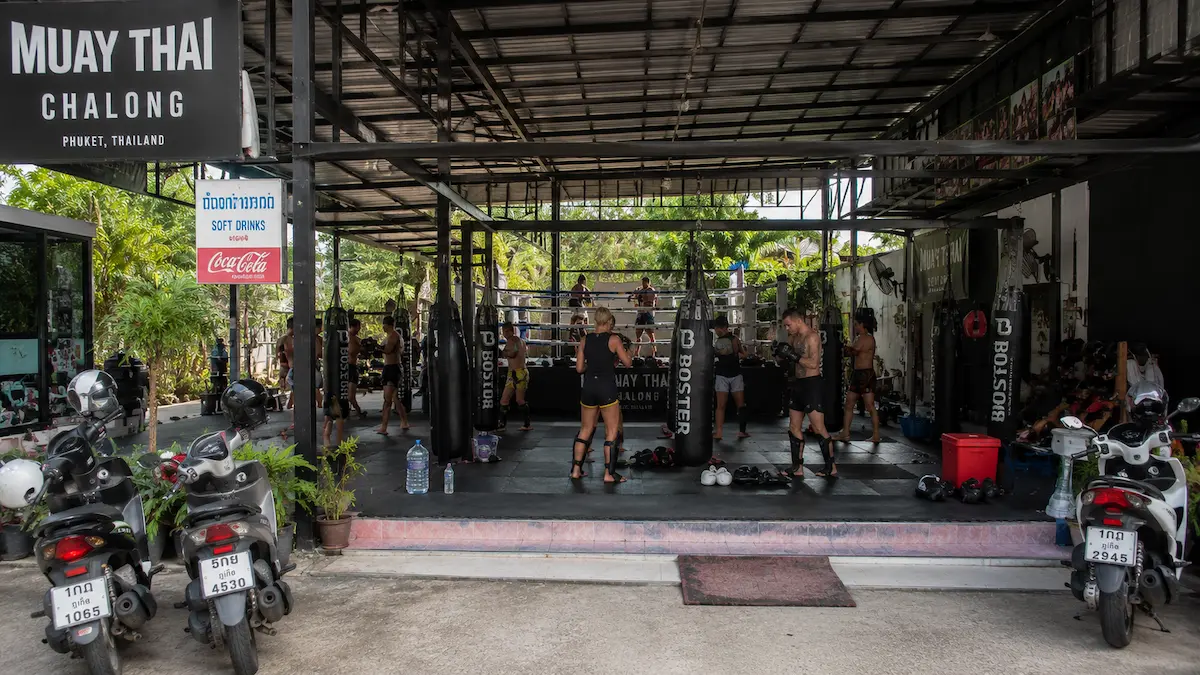
Chalong Phuket is one of the main fitness hubs on the island.
There are multiple Muay Thai gyms, strength training facilities, and fitness-focused accommodation options. This attracts people staying for weeks or months, which is why the area has a different feel compared to typical tourist zones.
If you’re coming specifically for training, Chalong is one of the best places to base yourself.
Chalong Pier (Gateway to Island Tours)
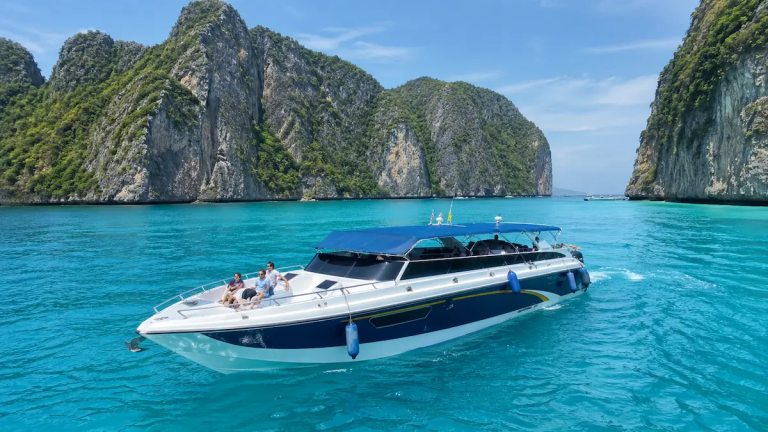
Chalong Pier is one of the main departure points for island tours and boat trips.
If you’re heading out to places like Phi Phi Islands or other nearby destinations, there’s a good chance your trip will start here. You won’t spend much time at the pier itself, but it plays an important role in how people move around the island.
If you’re planning day trips, it’s worth understanding how this fits into your schedule through the Phuket Day Trips guide so you don’t underestimate travel time.
Local Markets, Cafés, and Everyday Spots
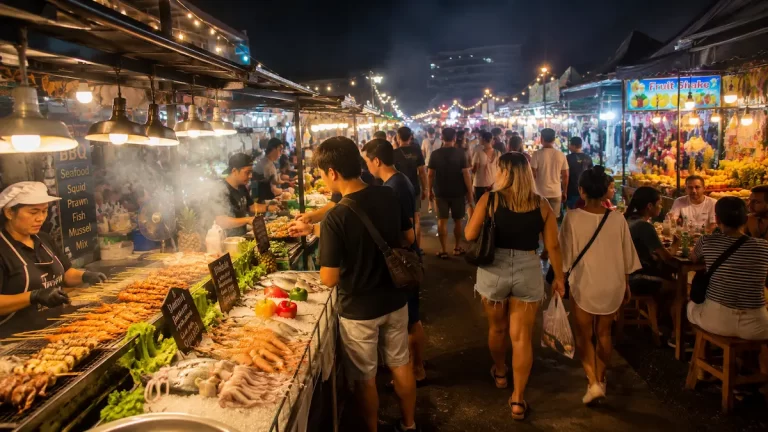
Beyond the main highlights, Chalong Phuket is filled with local restaurants, cafés, and smaller markets.
These aren’t major attractions on their own, but they’re part of what makes the area practical for longer stays. You’ll find a mix of Thai and international food, everyday services, and places that cater more to residents than short-term visitors.
If you’re staying nearby, these are the spots you’ll actually use day to day.
Where to Stay in Chalong Phuket
Most travellers do not stay in Chalong Phuket, and that’s an important starting point.
If your trip is focused on beaches, short stays, and easy access to restaurants, bars, and nightlife, areas like Patong, Kata, or Karon are usually a better fit. Chalong Phuket doesn’t offer that kind of setup, and you’ll spend more time moving around if you choose it as your base.
That said, Chalong Phuket works well for specific types of travellers.
It’s a strong option if you’re planning a longer stay, especially if you want something more practical and less tourist-focused. Accommodation is often more affordable, and you’ll find a wider range of apartments, guesthouses, and fitness-focused stays compared to the main beach areas.
It’s particularly suited to:
- Fitness and Muay Thai training
- Longer stays or remote work
- Travellers who plan to rent a scooter and move around
Location-wise, Chalong Phuket gives you access to multiple parts of the island within a reasonable drive, including Rawai, Kata, and inland areas. But that flexibility only works if you’re comfortable with transport.
For most short-term visitors, staying closer to the beach and visiting Chalong when needed is the easier option.
If you’re still deciding, it’s worth comparing all areas properly in the Where to Stay in Phuket guide so you choose a base that matches how you actually want to spend your time.
Is Chalong Phuket Worth Visiting?
Chalong Phuket is worth visiting, but only if you have a specific reason to go.
It’s not a place most travellers visit just to “see” in the way they would a beach or a viewpoint. There’s no central attraction, no walkable area, and no single reason to spend hours exploring unless you already know what you’re going for.
For most people, the value comes from specific activities.
If you want to visit Wat Chalong, access the Big Buddha, train at a Muay Thai gym, or head out on a boat trip from the pier, then Chalong Phuket becomes part of your trip naturally.
If you don’t have one of those reasons, it’s easy to skip.
That doesn’t mean it’s a bad area—it just serves a different purpose.
Compared to places like Patong Beach Guide or Rawai Beach Guide, Chalong Phuket is more functional and less experience-driven. It supports your trip rather than being the focus of it.
It’s worth including if:
- You want to visit Wat Chalong or nearby landmarks
- You’re training or staying longer in Phuket
- You’re using Chalong Pier for a day trip
It’s less important if:
- You’re looking for beaches or easy sightseeing
- You prefer walkable areas with everything nearby
- You’re on a short trip and want to minimise travel
Chalong Phuket works best when you treat it as part of your plan, not the main destination.
Chalong Phuket vs Other Areas
Chalong Phuket is very different from the main tourist areas on the island, and understanding those differences helps you decide where it fits into your trip.
Compared to Patong Beach Guide, the contrast is clear.
Patong is built around tourism, with a central beach, restaurants, nightlife, and everything within walking distance. Chalong Phuket doesn’t offer that kind of setup. It’s more spread out, less walkable, and focused on practical use rather than entertainment or short-term stays.
Compared to Rawai Beach Guide, the difference is more about atmosphere.
Rawai has a coastal feel, with sea views, restaurants along the water, and a slower pace. Chalong Phuket is more inland and functional, with less emphasis on scenery and more on everyday use. It feels more like a place people live than a place people visit.
Compared to Kata Beach Guide, the difference comes down to simplicity.
Kata is easy. You can stay near the beach, walk to restaurants, and structure your day without thinking too much. Chalong Phuket requires more planning. You’ll need transport, and your day will usually revolve around moving between locations rather than staying in one area.
This is why it helps to look at the island as a whole rather than focusing on one area.
If you’re comparing where to stay or what to prioritise, the Where to Stay in Phuket guide breaks down how each area fits into a trip so you don’t end up choosing the wrong base.
In simple terms:
- Chalong Phuket = functional, local, spread out
- Patong = busy, central, tourist-focused
- Rawai = coastal, relaxed, local feel
- Kata = balanced, easy, and beach-focused
None of these are better than the others—it depends on what you want your trip to look like.
Best Time to Visit Chalong Phuket
The best time to visit Chalong Phuket is less about finding perfect beach conditions and more about timing your visit around what you plan to do.
For most activities, daytime is the best option.
If you’re visiting Wat Chalong or heading up towards the Big Buddha, going in the morning or late afternoon is more comfortable. Temperatures are lower, and it’s easier to move around without the midday heat.
Midday is still manageable, but it’s not ideal.
Chalong Phuket is not a shaded, walkable area, so being out in the middle of the day—especially around roads or open spaces—can feel hotter than expected.
Unlike the west coast beaches, weather has slightly less impact here.
You’re not relying on sea conditions, so visiting during different seasons doesn’t change the experience as much. However, heavy rain during low season can still affect travel and movement around the area.
Traffic is another factor to consider.
Chalong is a busy working area, and certain times of day—especially late afternoon—can slow things down. If you’re trying to combine multiple stops, it’s worth allowing extra time for travel.
If you’re planning your trip across different parts of the island, it helps to understand how seasons and timing affect your overall schedule. This is covered more broadly in the Best Time to Visit Phuket guide.
The key takeaway is simple: visit Chalong Phuket when you have a clear purpose, and time it to avoid the heat and traffic rather than chasing specific conditions.
Plan Your Phuket Trip Properly
Chalong Phuket is a good example of how different areas on Phuket serve completely different purposes.
Some places are built around beaches, others around nightlife, and areas like Chalong Phuket are more practical—used for specific activities rather than general sightseeing. That’s why planning matters more than most people expect.
If you don’t understand how the island is laid out, it’s easy to waste time moving between areas or choose a base that doesn’t match how you actually want to spend your trip.
That’s where a clear plan makes a difference.
If you’re trying to balance beaches, day trips, and inland locations like Chalong Phuket, it helps to start with a structure. Guides like Phuket Travel Planning Guide and Where to Stay in Phuket break down how everything fits together so you can build your trip around the right areas.
If you want a simple version of that without overthinking it, you can begin with the free Phuket guide, which pulls everything together into a clear, practical plan.
FAQs About Chalong Phuket
What is Chalong Phuket known for?
Chalong Phuket is known for Wat Chalong, fitness and Muay Thai gyms, and Chalong Pier, which is a main departure point for island tours. It’s more of a functional area than a tourist destination.
Is Chalong Phuket worth visiting?
Chalong Phuket is worth visiting if you have a specific reason, such as visiting Wat Chalong, training at a gym, or taking a boat trip. It’s not a typical sightseeing area for casual exploration.
Is there a beach in Chalong Phuket?
No, Chalong Phuket does not have a swimmable beach. It’s located inland and is not part of the main west coast beach areas.
How far is Chalong Phuket from Patong?
Chalong Phuket is around 20 to 30 minutes from Patong by car or scooter, depending on traffic.
Can you stay in Chalong Phuket?
Yes, you can stay in Chalong Phuket. It’s a good option for longer stays, fitness-focused trips, or travellers looking for a quieter and more practical base.
Is Chalong Phuket good for tourists?
Chalong Phuket is useful for tourists but not ideal as a main destination. It’s better suited as part of a broader plan rather than the centre of a holiday.
What can you do in Chalong Phuket?
You can visit Wat Chalong, access the Big Buddha, train at fitness or Muay Thai gyms, explore local cafés, and depart from Chalong Pier for island tours.
Is Chalong Phuket busy?
Chalong Phuket can be busy, especially on main roads and during peak traffic hours. It’s a working area rather than a quiet tourist zone.