Thailand Etiquette for Tourists
For most visitors, travelling in Thailand feels surprisingly easy. The country is heavily connected to tourism, many local people are extremely patient with travellers, and millions of visitors move through places like Phuket, Bangkok, Chiang Mai, and the islands every year without major problems.
At the same time, understanding a few basic aspects of Thailand etiquette for tourists can make the experience smoother, more respectful, and far less confusing once you arrive.
The good news is that visitors are not expected to behave perfectly or instantly understand every part of Thai culture. Most local people fully understand that tourists come from different backgrounds and may not know all local customs immediately. In many situations, respectful effort and calm behaviour matter far more than strict cultural perfection.
A lot of Thailand etiquette is also practical rather than complicated. Simple things like removing shoes before entering temples, dressing respectfully in certain places, staying calm during disagreements, and being polite when interacting with local people can make a noticeable difference to how smoothly travel experiences unfold.
One reason Thailand feels welcoming to many travellers is because everyday interactions often remain fairly relaxed. Markets, cafés, food stalls, beaches, hotels, and tourist areas generally operate with a more casual and patient social atmosphere compared to some western countries. Visitors who slow down slightly, remain polite, and stay aware of their surroundings usually adapt very quickly.
At the same time, there are still certain behaviours that can create unnecessary problems or come across as disrespectful, especially around temples, religious imagery, public behaviour, and heavily local areas outside major tourist zones.
This guide explains the most useful and realistic aspects of Thailand etiquette for tourists, including temple behaviour, greetings, dress expectations, food culture, local customs, and practical social behaviour that can help first-time visitors travel through Thailand more comfortably and respectfully.
If you are also planning your first Phuket or Thailand trip, our First-Time Phuket Guide and Phuket Travel Planning Guide may help you better understand how etiquette, transport, food, beaches, and local culture all connect together during your travels.
Why Thailand Etiquette Matters
Understanding Thailand etiquette for tourists is not really about memorising strict cultural rules or worrying about making small mistakes every few minutes. In reality, most local people are very understanding toward visitors, especially in heavily travelled areas where international tourism has been part of daily life for decades.
What etiquette mostly helps with is reducing unnecessary tension and allowing interactions to feel smoother and more respectful on both sides.
Thailand generally has a calmer and less confrontational social culture compared to many western countries. Public politeness, patience, emotional control, and respect toward others are all valued quite strongly in everyday life. Visitors who approach situations with a relaxed attitude usually find that people respond warmly in return.
One of the reasons travellers often describe Thailand as friendly is because local people frequently try to avoid direct conflict or uncomfortable public confrontation. Even when problems happen, many situations are handled more gently and indirectly than tourists from some countries may expect.
That does not mean Thailand is fragile or impossible to navigate correctly. Most tourists naturally adjust quickly simply by observing how people around them behave.
Small respectful actions often matter far more than trying to perform Thai culture perfectly. Smiling politely, speaking calmly, dressing appropriately in temples, removing shoes when required, and treating local people with patience usually creates a much better impression than attempting overly formal behaviour that feels forced or unnatural.
Tourism also changes the reality of etiquette across the country. Places like Phuket, Bangkok, Pattaya, and Chiang Mai see millions of international visitors every year. Local people working in tourism understand that foreigners may not know every cultural expectation immediately, and most are very forgiving toward honest mistakes.
At the same time, there is a difference between accidental mistakes and openly disrespectful behaviour. Aggressive drunkenness, shouting at staff, inappropriate temple behaviour, dangerous scooter riding, or mocking local customs tends to create far more negative reactions than simple cultural misunderstandings.
For most travellers, the best approach is not overthinking every interaction. Thailand etiquette for tourists is less about achieving perfection and more about travelling with basic awareness, patience, and respectful curiosity while moving through a culture that may operate slightly differently from your own.
Temple Etiquette in Thailand
Temples are one of the most important parts of Thai culture, and most visitors will encounter them regularly while travelling through Thailand. Some travellers actively seek out famous temples and historic sites, while others simply pass smaller local temples during everyday exploration around towns, beaches, and neighbourhood areas.
Understanding basic temple etiquette in Thailand helps visitors avoid accidental disrespect while also making temple visits feel more comfortable and less intimidating.
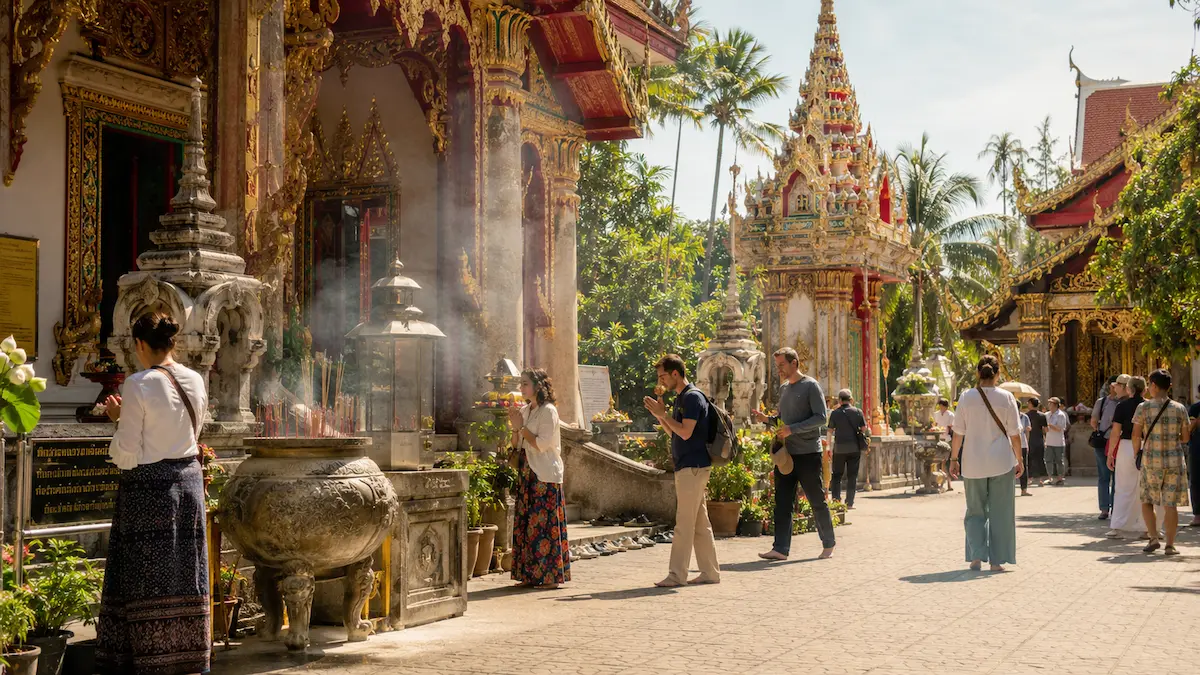
One of the first things travellers notice is that dress expectations inside temples are usually more conservative than in beach or nightlife areas. Shoulders and knees should generally be covered when entering temple grounds or important religious buildings. In major tourist areas, some temples may provide temporary cover-ups for visitors who arrive unprepared, but it is still better to dress appropriately beforehand whenever possible.
Shoes are another important part of temple etiquette. In many temples, visitors are expected to remove shoes before entering certain buildings or sacred indoor areas. If you see rows of shoes outside an entrance, that is usually the sign to remove yours as well.
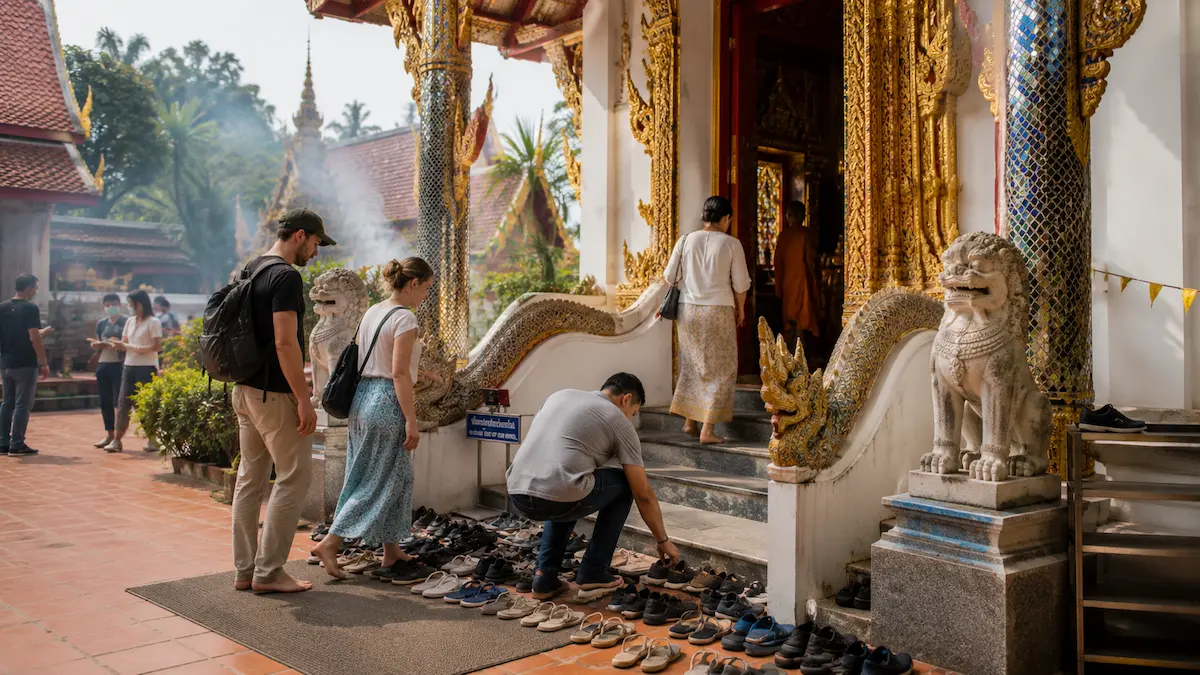
Behaviour inside temples is typically calm and quiet. Visitors do not need to act overly formal or nervous, but temples are not treated like entertainment venues or social media attractions by local people. Speaking softly, moving respectfully, and staying aware of people praying or making offerings nearby usually goes a long way.
Photography is generally allowed in many temple areas, especially at larger tourist sites, but respectful judgement matters. Climbing onto sacred structures, turning religious spaces into staged photo shoots, or posing in ways that appear mocking or overly performative can quickly become inappropriate.
Buddha statues are treated with significant respect throughout Thailand. Visitors should avoid climbing on statues, touching them unnecessarily, or using them casually as props for humour or social media content. Even small Buddha imagery often carries cultural and religious importance.
Travellers may also notice monks moving through temples and public areas. While monks are often very approachable, especially in tourist regions, respectful distance and calm behaviour are still appropriate. Women should also be aware that direct physical contact with monks is generally avoided in Thai Buddhist tradition.
Donations at temples are usually optional rather than required. Many visitors choose to leave a small donation to support maintenance or local religious activities, but there is typically no pressure to contribute large amounts of money.
One important thing for first-time visitors to understand is that many temples in Thailand are not simply historical attractions. They are active religious spaces used daily by local communities for prayer, ceremonies, funerals, festivals, and ordinary spiritual life. Tourists are welcome in many of these places, but respectful awareness matters.
At the same time, visitors do not need to become anxious about accidentally doing something wrong. Most temples in tourist areas are extremely accustomed to international visitors, and small honest mistakes are rarely treated harshly if people are behaving respectfully overall.
Travellers exploring Phuket temples may also want to read the upcoming Wat Suwan Khiri Wong Temple Article and the full Phuket Old Town Guide, where temples, local streets, and cultural areas often connect closely together.
Greetings and Social Behaviour
One of the first things many travellers notice in Thailand is that everyday social interactions often feel calmer and less confrontational than in some western countries. People working in shops, cafés, hotels, markets, restaurants, and transport services frequently remain polite and patient even during busy or stressful situations.
For visitors, understanding a few small aspects of Thai social behaviour can make interactions feel much smoother.
The most recognisable greeting in Thailand is the wai — the gesture where palms are pressed together slightly in front of the chest with a small bow of the head. Tourists are not expected to perform the wai perfectly, and local people generally do not expect foreigners to understand all the social nuances surrounding it. In many situations, a normal smile and polite attitude are already completely acceptable.
That said, returning a wai politely when appropriate is usually appreciated, especially in calmer or more respectful settings such as hotels, local businesses, or temple areas.
Thailand is also often described as a culture that values emotional control and avoiding unnecessary public conflict. Raising your voice aggressively, becoming visibly angry in public, or humiliating someone openly tends to create discomfort much faster than in some countries where direct confrontation is more normal.
This does not mean travellers need to behave unnaturally or suppress every frustration. Problems still happen like anywhere else. But approaching situations calmly usually produces far better outcomes than escalating emotionally, especially when dealing with misunderstandings, transport issues, restaurant mistakes, or customer service situations.
Visitors may also hear the phrase “saving face” discussed when talking about Thailand and other parts of Asia. In simple terms, this often relates to avoiding embarrassment or public humiliation during social interactions. Many Thai people will try to remain polite and indirect even during uncomfortable situations rather than creating open conflict publicly.
Patience also matters more than many travellers initially expect. Things may occasionally move slower than planned, communication may not always be perfectly direct, and misunderstandings can happen, especially in busy tourist areas. Travellers who remain flexible and calm generally adapt far more easily.
At the same time, Thailand is not a fragile culture where tourists must constantly fear making social mistakes. Most local people are extremely used to international visitors from many different backgrounds. Respectful behaviour, politeness, and basic awareness usually matter far more than mastering every social custom perfectly.
For most visitors, simply slowing down slightly, smiling more often, and staying calm during interactions naturally improves the overall travel experience across Thailand.
Thailand Food Etiquette
Food in Thailand is often a very social experience rather than something rushed or highly formal. Meals are commonly shared between groups, people order multiple dishes for the table, and eating becomes part of spending time together rather than simply finishing food as quickly as possible.
For tourists, Thai food etiquette is generally easy to adapt to once you spend a little time around local restaurants, markets, and casual dining areas.
One thing visitors notice quickly is that many meals are designed for sharing. Instead of each person ordering one completely separate dish, groups often place several dishes in the centre of the table and eat from them together alongside individual rice plates. In tourist areas, restaurants fully understand that international visitors may prefer ordering individually, so there is usually no pressure either way.
Utensils can also confuse first-time travellers slightly. In many Thai restaurants, a spoon and fork are more common than chopsticks. The fork is generally used to push food onto the spoon rather than bringing food directly to the mouth. Chopsticks are more commonly associated with noodle dishes or certain Chinese-influenced meals.
Street food and market dining are usually much more casual. Plastic chairs, shared seating, fast turnover, smoke from cooking stalls, and crowded walkways are all normal parts of the atmosphere. Visitors do not need to behave formally, but patience and awareness still matter in busy spaces where many people are moving around quickly.
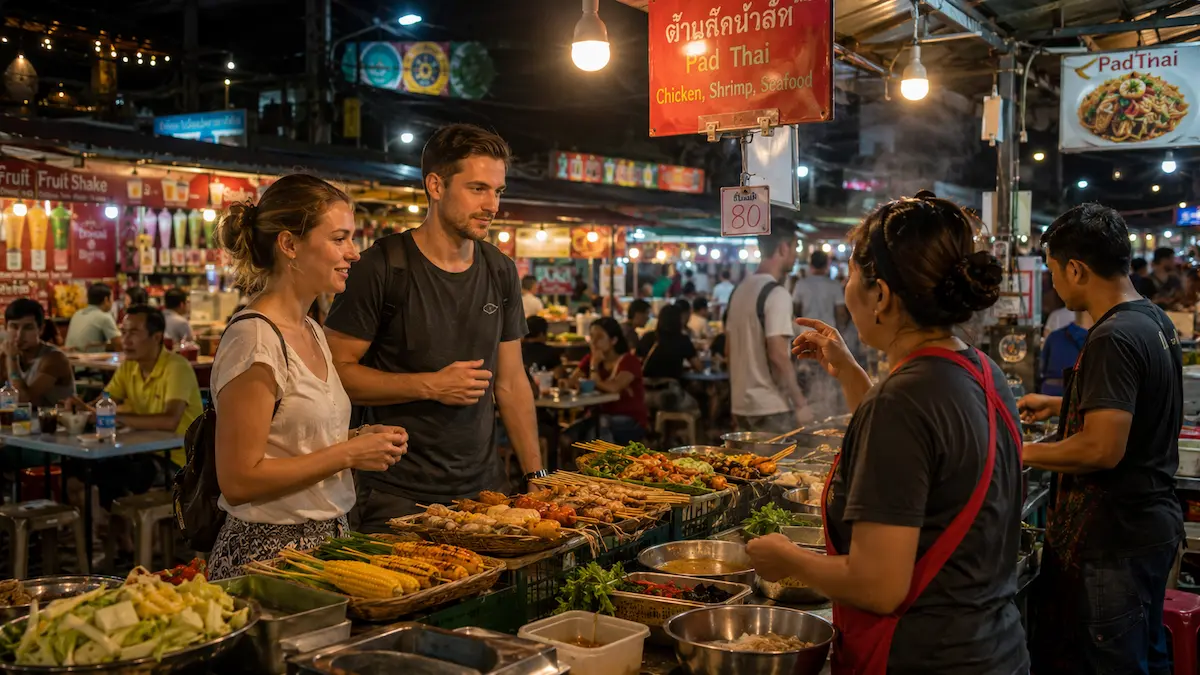
Spice is another major part of food culture in Thailand. Some dishes, especially in southern Thailand, can become significantly hotter than visitors expect. Asking for less spice is completely normal in tourist areas and usually not considered rude.
Travellers should also understand that meals in Thailand often arrive at different times rather than all together like in some western restaurants. One dish may appear quickly while another takes longer depending on how each item is prepared.
Markets and food stalls also operate differently from restaurants. In some places, visitors order directly at the stall and carry food away themselves, while other areas provide shared seating where vendors bring dishes to the table afterward.
Most importantly, Thailand food etiquette is not about strict formal rules. It is mainly about staying relaxed, respectful, and adaptable while enjoying the food culture around you.
Travellers wanting a deeper understanding of local dishes, markets, seafood, and street food culture should also read the full Thai Food in Phuket Guide and Phuket Markets Guide.
Dress Expectations in Thailand
One thing many first-time visitors quickly notice is that dress expectations in Thailand can change significantly depending on where you are. What feels completely normal on a beach in Phuket may feel inappropriate inside a temple, local neighbourhood, or certain restaurants only a short distance away.
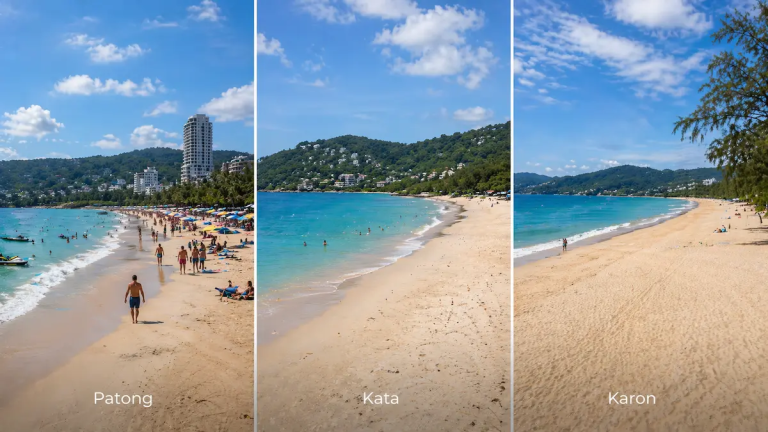
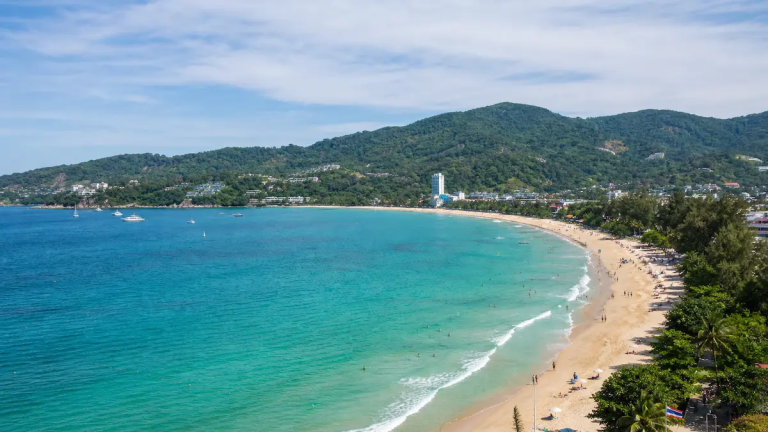
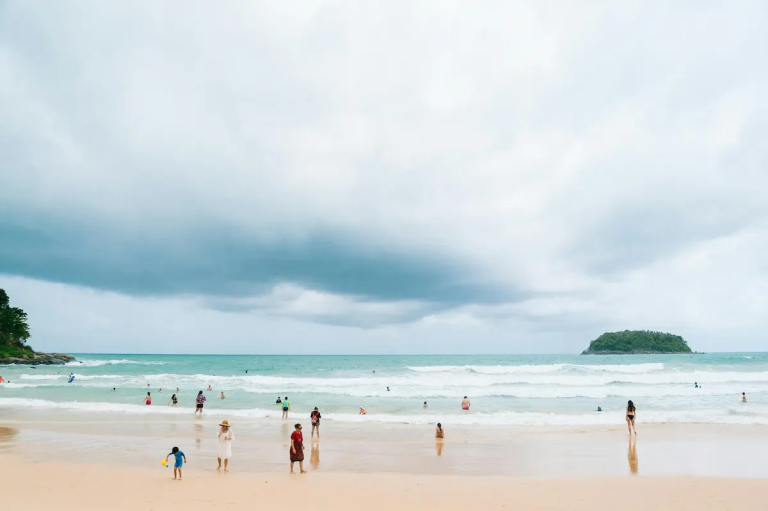
In tourist-heavy beach areas like Patong, Kata, and Karon, casual clothing is extremely common. Swimwear, singlets, shorts, sandals, and lightweight beach clothing are all normal around beaches, pools, bars, and tourist streets. Phuket is heavily connected to tourism, so visitors generally do not need to worry excessively about casual holiday clothing in the right environments.
At the same time, there is still a difference between beachwear and everyday public clothing away from the beach itself. Walking shirtless through shopping areas, entering restaurants directly from the beach in wet swimwear, or dressing extremely minimally in local neighbourhoods can sometimes come across as disrespectful or simply out of place.
Temples are where dress expectations become most important. Shoulders and knees should usually be covered when entering temple grounds or religious buildings. Lightweight long pants, dresses below the knee, or simple cover-ups are often enough. Visitors do not need expensive or highly formal clothing, but showing basic respect for the setting matters.
Nightlife areas create another shift in expectations. Places like Bangla Road in Patong are generally far more relaxed regarding clothing because they are heavily tourism and nightlife focused. Even then, visitors usually notice that local people working in restaurants, hotels, and businesses still tend to dress more neatly and conservatively overall than many tourists.
Thailand’s climate also shapes clothing choices heavily. The heat and humidity can be intense for travellers not used to tropical weather, especially during hotter months. Lightweight, breathable clothing usually matters more than trying to dress formally.
For most travellers, the easiest approach is simply paying attention to the environment around you. Beaches, temples, local markets, nightlife areas, cafés, and shopping streets all operate slightly differently, and adjusting clothing modestly depending on the setting usually feels natural once you spend a few days in Thailand.
Ultimately, Thailand dress etiquette is not about forcing tourists into strict cultural rules. It is mostly about understanding context and showing a basic level of awareness for the places and situations you are moving through while travelling.
Behaviour Tourists Should Avoid
Most travellers move through Thailand without major problems, and local people are generally extremely patient toward visitors who are respectful and relaxed. At the same time, there are certain behaviours that tend to create negative reactions more quickly, especially in heavily local areas or situations involving religion, public behaviour, and safety.
One of the biggest mistakes tourists make is assuming Thailand’s friendly atmosphere means anything goes. While the country is very welcoming overall, respectful behaviour still matters.
Aggressive public behaviour is one of the fastest ways to create uncomfortable situations. Shouting at staff, becoming heavily confrontational during disagreements, or losing emotional control publicly tends to clash strongly with Thailand’s generally calmer social culture. Even when genuine problems happen, approaching situations politely usually produces far better outcomes.
Temple behaviour is another area where visitors should stay aware. Climbing on religious structures, treating Buddha statues like comedy props, speaking loudly inside sacred areas, or wearing highly revealing clothing in temples can quickly come across as disrespectful. Most temples are welcoming toward tourists, but they are still active religious spaces rather than purely entertainment attractions.
Dangerous scooter behaviour is also extremely common in tourist areas and causes many avoidable accidents every year. Riding without helmets, driving while intoxicated, ignoring local traffic conditions, or renting scooters without experience can quickly become far more serious than many travellers initially expect.
Heavy drunken behaviour in nightlife areas can also create problems, especially when tourists become aggressive, disrespectful toward staff, or unaware of their surroundings. Places like Bangla Road in Phuket are built around nightlife and tourism, but that does not remove the need for basic awareness and self-control.
Photography is another area where judgement matters. Taking normal travel photos is completely fine in most tourist areas, but visitors should avoid treating local people, monks, workers, or religious ceremonies like staged tourist attractions without considering context or permission.
Disrespect toward Thai culture online can also create unnecessary issues. Mocking religious imagery, making offensive jokes about the monarchy, or behaving recklessly for social media attention can attract far more negative attention than many visitors realise.
At the same time, tourists should not become paranoid about accidentally offending people every few minutes. Thailand is heavily connected to international tourism, and local people are generally understanding toward honest mistakes. Respectful effort matters far more than perfect cultural knowledge.
Travellers wanting broader advice around transport safety, nightlife awareness, and practical travel behaviour should also read Is Phuket Safe and the upcoming Phuket Nightlife Guide once published.
Thailand Etiquette in Markets and Local Areas
Markets are one of the easiest places for travellers to experience everyday life in Thailand, but they are also environments where small respectful behaviours become more noticeable. Busy walkways, crowded food stalls, local shoppers, tourists, scooters, music, and vendors all operate together in fairly tight spaces, especially during evening market hours.
The good news is that etiquette inside Thai markets is usually simple and practical rather than formal.
Bargaining is common in many tourist-oriented markets, especially for souvenirs, clothing, and smaller tourist items. At the same time, bargaining in Thailand is generally calmer and less aggressive than some visitors expect. Keeping negotiations friendly, smiling, and understanding that very small price differences rarely matter much financially usually creates a better interaction for everyone involved.
Food stalls and local restaurants inside markets also work differently from country to country. Some vendors expect customers to order directly at the stall, while others provide shared seating areas where food is brought afterward. Watching how local people behave nearby is often the easiest way to understand how things work without needing complicated explanations.
Photography is usually acceptable in markets, especially in tourist-heavy areas, but respectful judgement still matters. Taking general atmosphere photos is normal, while constantly pointing cameras directly into people’s faces or blocking crowded walkways for photos can quickly become intrusive.
Visitors should also stay aware that many local markets are functioning workplaces rather than tourist attractions alone. Vendors are cooking, carrying stock, handling money, and serving customers continuously, often in very hot conditions. Patience and basic courtesy go a long way in these environments.
In smaller local neighbourhoods outside major tourist areas, behaviour often becomes slightly quieter and less performance-driven than what visitors may see around nightlife zones or heavily tourist-focused beaches. Speaking calmly, dressing reasonably, and remaining polite usually helps travellers blend into local environments much more comfortably.
One thing many visitors notice over time is that slowing down slightly changes the entire experience of exploring Thailand. Instead of rushing through markets trying to buy things quickly or capture perfect photos, travellers who take time to observe, eat slowly, and interact politely often end up having far more rewarding experiences overall.
Travellers wanting a deeper understanding of local markets, food culture, and evening market atmospheres should also read the full Phuket Markets Guide.
Do Tourists Need to Know Thai Etiquette Perfectly?
Absolutely not.
Most Thai people understand very clearly that international visitors come from different cultures and may not immediately know every local custom, social expectation, or cultural detail. Thailand has welcomed tourists for decades, especially in places like Phuket, Bangkok, Chiang Mai, and the islands, so honest mistakes are usually treated with patience rather than hostility.
What matters far more than perfection is attitude.
Travellers who remain polite, calm, observant, and respectful generally adapt very quickly even if they do not fully understand every aspect of Thai culture. Simple things like smiling politely, speaking calmly, dressing appropriately in temples, and showing basic awareness toward local people already go a long way.
Many visitors actually become too anxious about etiquette before arriving in Thailand. They worry about accidentally offending someone every few minutes or making cultural mistakes they do not even understand yet. In reality, Thailand is usually much more relaxed and forgiving than people expect.
Most uncomfortable situations tourists encounter are not caused by tiny cultural misunderstandings. They usually come from aggressive behaviour, extreme intoxication, disrespect toward religious spaces, dangerous transport decisions, or simply treating Thailand like a playground rather than a real country where people live everyday lives.
The majority of travellers who approach Thailand with respectful curiosity end up having very positive experiences. Local people often appreciate genuine effort even when visitors do not perform cultural customs perfectly.
In many ways, Thailand etiquette for tourists is less about memorising rules and more about slowing down enough to pay attention to the environment around you. Watching how local people behave, staying patient during misunderstandings, and remaining open-minded usually teaches far more than trying to memorise a long list of cultural dos and don’ts before arriving.
For most visitors, respectful awareness is already enough.
Planning your first Phuket trip? Our free Phuket guide from Resurgence Travel helps travellers understand where to stay, how to get around, which areas suit different travel styles, and the common mistakes that can easily affect a Thailand holiday. It is designed to give first-time visitors a more practical and realistic understanding of Phuket before arriving.
Frequently Asked Questions About Thailand Etiquette for Tourists
Is Thailand strict about tourist etiquette?
Thailand is generally very welcoming and understanding toward tourists. Most local people do not expect visitors to behave perfectly, but respectful behaviour around temples, religion, public conduct, and local customs is still appreciated.
Do tourists need to do the wai greeting?
No. Tourists are not expected to master the wai greeting perfectly. A polite smile and respectful attitude are usually completely acceptable, although returning a wai politely in some situations is appreciated.
Can tourists wear shorts in Thailand?
Yes. Shorts and lightweight clothing are extremely common in beach and tourist areas, especially in places like Phuket. However, temples and certain religious sites usually require shoulders and knees to be covered.
What should tourists avoid doing in temples?
Visitors should avoid wearing revealing clothing, speaking loudly, climbing on religious structures, disrespecting Buddha statues, or treating temples like entertainment spaces for staged social media content.
Is bargaining rude in Thailand?
No. Bargaining is common in many tourist-oriented markets, especially for souvenirs and clothing. The process is usually relaxed and friendly rather than aggressive.
Can tourists touch Buddha statues?
Visitors should treat Buddha statues respectfully and avoid climbing on them, sitting disrespectfully around them, or using them casually as props for photos or humour.
Is public affection acceptable in Thailand?
Small displays of affection are generally tolerated in tourist areas, but very public or overly intimate behaviour can sometimes feel uncomfortable or inappropriate in more traditional settings.
Are Thai people friendly to tourists?
In general, yes. Thailand has a long tourism history, and most visitors find local people welcoming and patient, especially when tourists behave respectfully and remain polite during interactions.
Do tourists need to remove shoes often in Thailand?
Yes, in some places. Shoes are commonly removed before entering temples, some homes, and occasionally smaller businesses or indoor spaces. Watching what local people are doing nearby is usually the easiest guide.
What is the biggest etiquette mistake tourists make in Thailand?
Aggressive public behaviour, disrespect toward religious spaces, dangerous intoxicated behaviour, and treating local culture like a joke generally create far bigger problems than small accidental cultural mistakes.
About the Author
David Hibbins is the founder of Go Find Asia and a long-term travel writer focused on practical travel experiences across Thailand and Southeast Asia. His work helps first-time visitors understand how destinations actually function beyond resort marketing and social media expectations, with a strong focus on local culture, food, transport, nightlife, and everyday travel realities.
Through Go Find Asia and Resurgence Travel, David creates detailed guides designed to help travellers explore Thailand more confidently, respectfully, and realistically while understanding the cultural atmosphere that shapes the country beyond the major tourist attractions.