Real Phuket vs Instagram Phuket: What Visitors Should Expect
Before visiting Phuket, many travellers build an image of the island almost entirely through social media. Endless sunset photos, empty turquoise beaches, luxury villas, beach clubs, drone shots, smoothie cafés, and perfectly framed tropical scenery create the impression that Phuket is a nonstop paradise existing somewhere between a travel advertisement and a lifestyle fantasy.
The interesting thing is that a lot of those images are not actually fake.
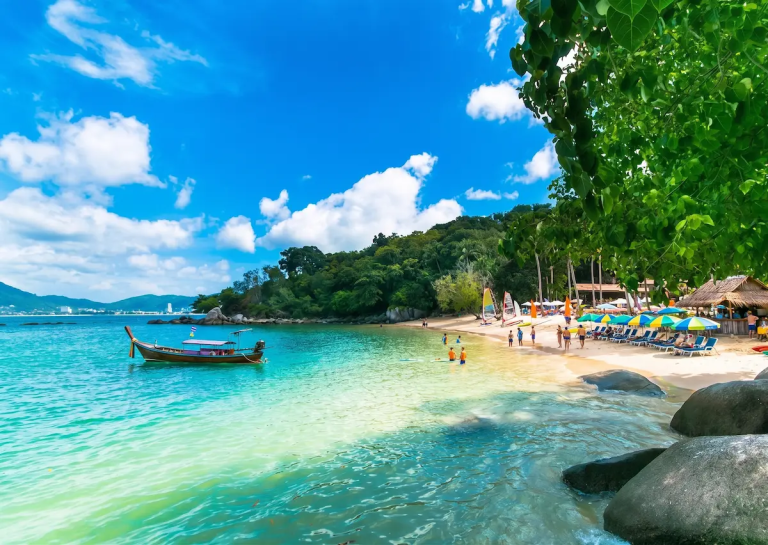
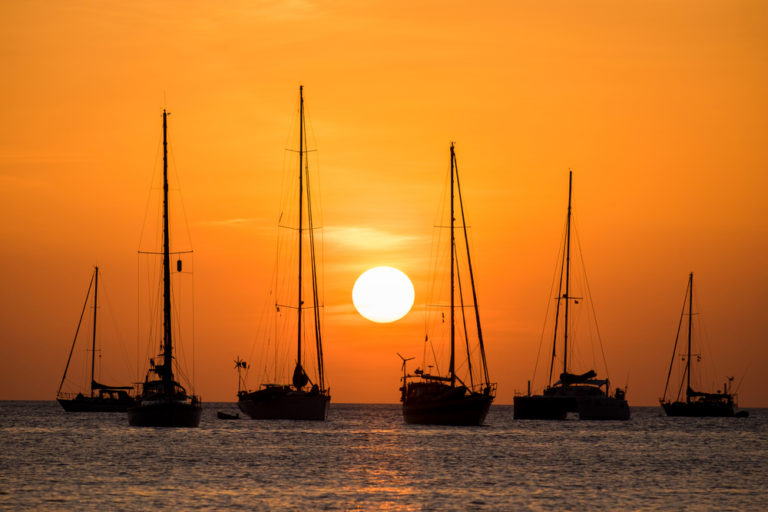
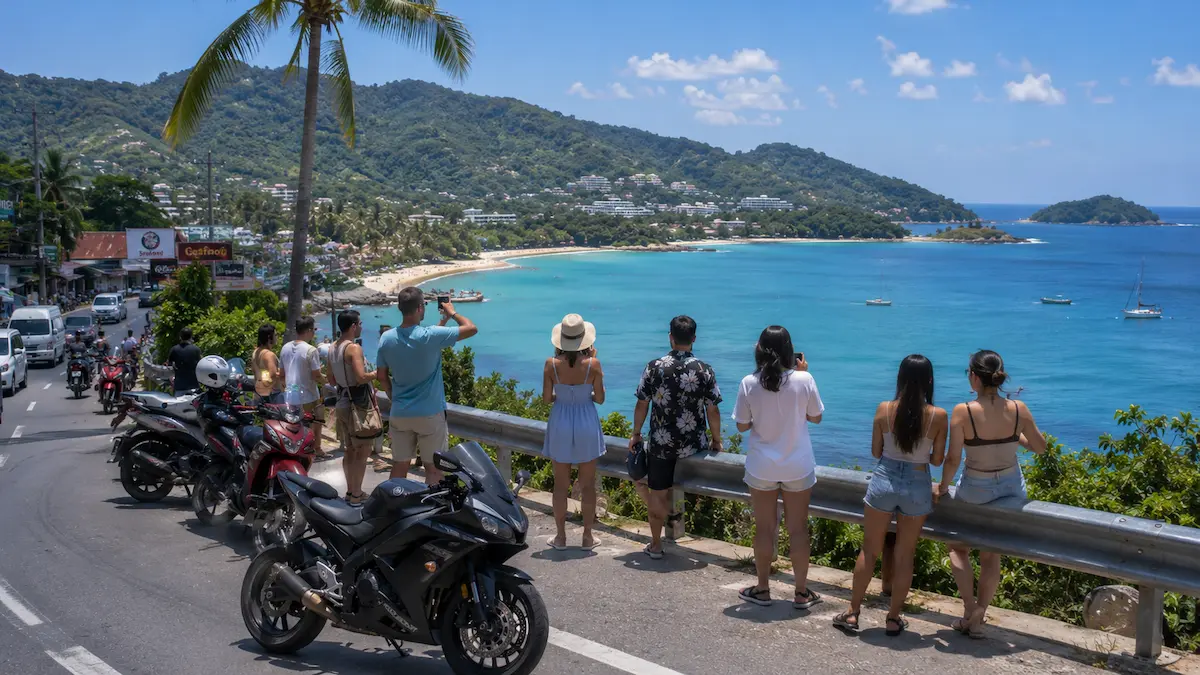
Phuket really does have beautiful beaches, dramatic sunsets, tropical islands, longtail boats, jungle-covered hills, beach cafés, luxury resorts, and stunning viewpoints. Many of the places people see online genuinely look incredible in real life as well.
At the same time, social media usually shows only one very specific version of the island.
What Instagram rarely shows are the crowded roads behind the beach, the tropical rainstorm arriving suddenly in the middle of the afternoon, the heat and humidity after walking for twenty minutes, scooters weaving through traffic, local markets setting up beside ordinary neighbourhood streets, construction happening beside luxury hotels, or the reality that Phuket is a large working island where local people live everyday lives alongside mass tourism.
That contrast does not make Phuket disappointing. In many ways, it actually makes the island more interesting.
Part of what makes Phuket unique is that luxury resorts, local food stalls, beach clubs, roadside cafés, nightlife streets, temples, markets, fishing communities, and quiet tropical roads all exist together at the same time. The island constantly shifts between beautiful, chaotic, peaceful, commercial, relaxing, crowded, local, and heavily touristic depending on where you are and what time of day it is.
One traveller may experience Phuket mostly through beach clubs and island tours, while another remembers small roadside restaurants, rainy afternoons, quiet mornings, local markets, or slow drives through the hills behind Patong. Both experiences are real.
This guide explores the difference between real Phuket vs Instagram Phuket, including the parts social media highlights, the parts it usually leaves out, and what first-time visitors should realistically expect when they arrive on the island.
If you are still planning your trip, it may also help to read the full First-Time Phuket Guide and Hidden Gems Phuket to better understand the different sides of Phuket beyond the typical tourism highlights.
Instagram Phuket Is Not Completely Fake
One of the easiest mistakes people make when talking about social media travel is swinging too far in the opposite direction and pretending places like Phuket are somehow completely fake or disappointing in real life.
That usually is not true at all.
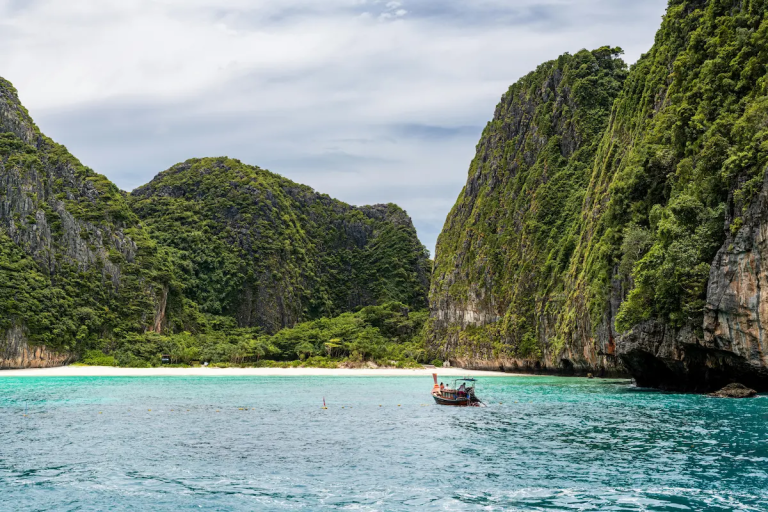
Phuket became one of Thailand’s biggest tourism destinations for a reason. The beaches genuinely can be beautiful. The sunsets are often incredible. The limestone islands around Phang Nga Bay and Phi Phi really do look dramatic in person. Some cafés, resorts, viewpoints, and beach clubs are genuinely impressive experiences rather than just carefully edited online content.
In many cases, Instagram Phuket is showing something real — just not the entire picture.
What social media does extremely well is compress moments. A photographer waits for the perfect light, avoids the crowded section of the beach, frames out nearby traffic, edits colours slightly warmer, and captures a few seconds where everything looks calm and cinematic. None of that automatically makes the image dishonest.
The issue is that people sometimes begin expecting Phuket to feel like that exact isolated moment all day, every day.
In reality, most famous Phuket locations contain both beauty and ordinary reality at the same time. A stunning beach may also have jet skis, beach vendors, umbrellas, and crowds slightly outside the camera frame. A luxury café overlooking the ocean may sit beside a busy road full of scooters and delivery traffic. A dramatic tropical viewpoint may involve heavy humidity, steep hills, and packed parking areas during peak season.
Timing also changes everything. A beach photographed at sunrise can feel peaceful and empty, while the same location may become crowded and noisy by afternoon. Rainstorms, weather changes, seasonal conditions, and tourism cycles all shift the atmosphere of the island constantly.
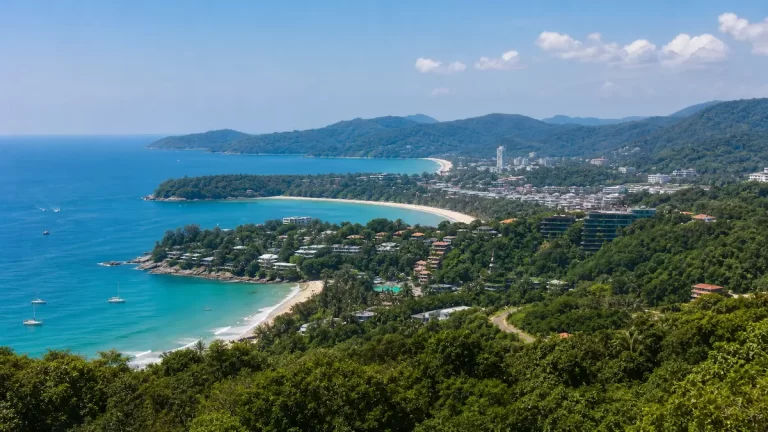
Another thing social media rarely communicates well is scale. Phuket is a large island with many different personalities. Someone staying in a quiet northern beach area may have a completely different experience from another traveller spending most of the trip around Bangla Road in Patong.
In many ways, the real problem is not that Instagram Phuket lies completely. It is that social media naturally simplifies a complicated place into a collection of highly curated moments.
Phuket itself is far more layered than that.
The Parts of Phuket Social Media Rarely Shows
One of the biggest differences between real Phuket vs Instagram Phuket is that social media naturally removes most of the ordinary details that make the island function as a real place instead of a travel fantasy.
Very few people post photos of traffic.
But traffic is absolutely part of Phuket.
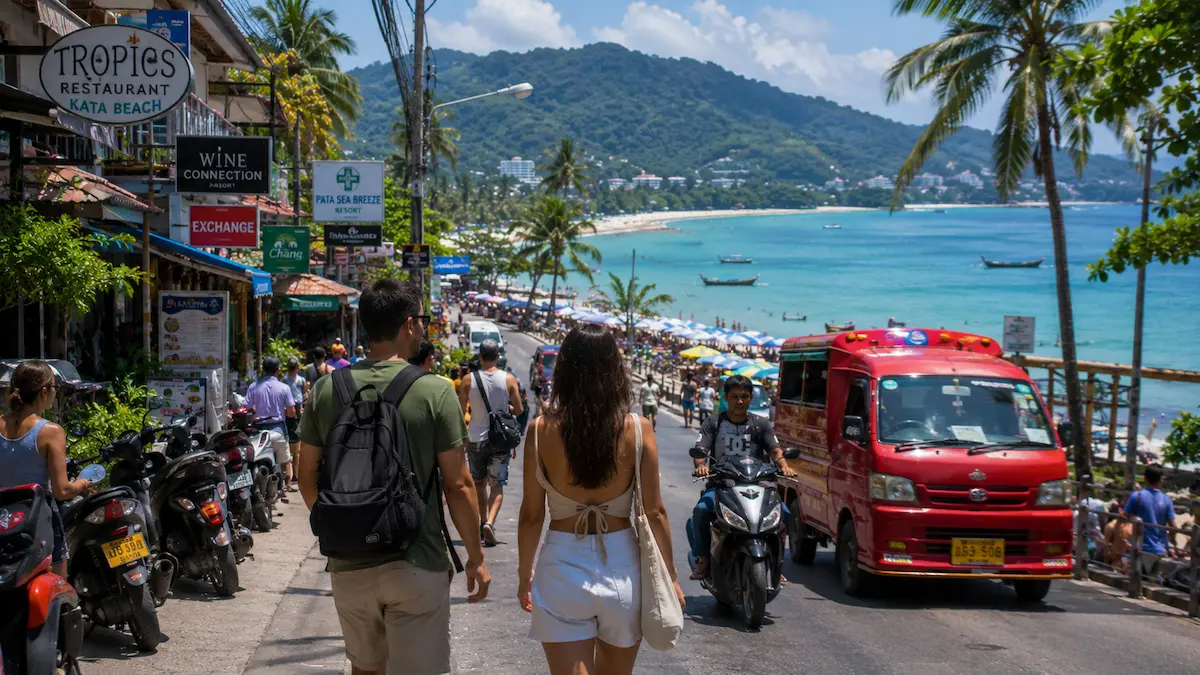
Roads around Patong, Chalong, Kata, Karon, and central Phuket can become busy and slow, especially during peak hours. Scooters move constantly between cars, roadside parking fills quickly, delivery drivers weave through traffic, and some journeys take much longer than first-time visitors expect after looking at maps online.
Social media also rarely shows the heat properly. Phuket’s tropical climate can feel physically exhausting for travellers not used to humidity, especially during the hotter months. Walking even short distances in the middle of the day often feels much harder than people expect while planning their trip from air-conditioned rooms overseas.
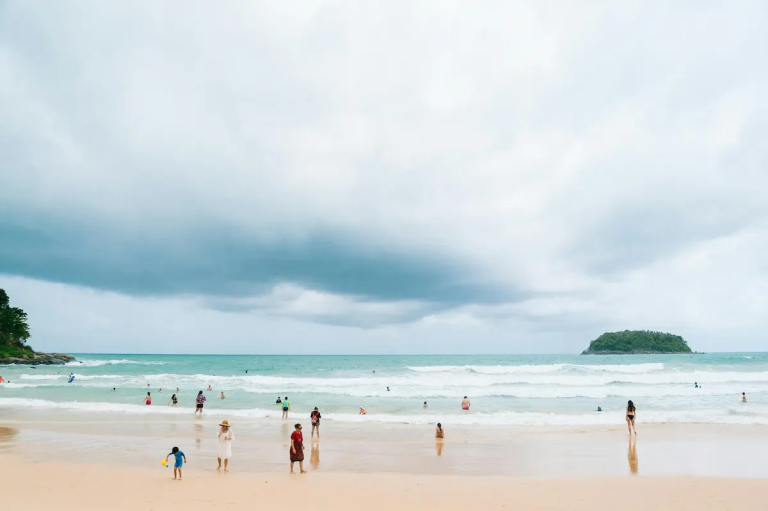
Rain is another major part of the island that tends to disappear online. Tropical storms can arrive suddenly even during beautiful days, especially during wet season months. Beaches that look perfect on Instagram can feel completely different once strong wind, rough waves, cloudy skies, or heavy rain move across the coastline.
Construction is another reality visitors quickly notice after arriving. Phuket continues developing constantly, and luxury resorts, cafés, condominiums, hotels, and roads are always being expanded or renovated somewhere nearby. A beautiful beach view may still include cranes, temporary barriers, roadside work, or new buildings slightly outside the carefully cropped photo frame.
Everyday local life also receives far less attention online than tourist experiences. School traffic, food deliveries, local workers, roadside repair shops, open-air laundries, morning markets, temple routines, and ordinary residential neighbourhoods all form part of Phuket’s daily rhythm even though they rarely appear in polished travel content.
Another thing social media struggles to communicate is sound. Phuket is often much louder than people expect. Longtail boats, scooters, nightlife music, construction, markets, traffic, beach vendors, storms, and tropical wildlife all create a much more active atmosphere than silent drone footage suggests.
At the same time, none of these things automatically make Phuket worse.
In many ways, they are exactly what makes the island feel alive instead of artificial.
The reality is that Phuket is not a private luxury resort existing only for tourists. It is a large tropical island balancing tourism, local life, business, culture, weather, transport, nightlife, and ordinary routines all at the same time.
Phuket Changes Completely Depending on Time of Day
One of the most surprising things about real Phuket vs Instagram Phuket is how dramatically the island changes depending on the time of day.
A location that feels peaceful and cinematic early in the morning can feel completely different only a few hours later once traffic, tour groups, heat, nightlife, or crowds begin building across the island.
Sunrise is probably when Phuket feels most different from its social media image. Beaches that appear crowded online often become quiet and almost empty during the early morning hours. Roads remain calmer, cafés slowly open, local markets begin setting up, and the island briefly feels softer and less commercial before the main tourism movement begins for the day.
Even Patong changes completely in the morning. After the nightlife fades, beach workers clean the sand, delivery scooters move through quieter streets, small cafés prepare for the day, and the atmosphere feels far more relaxed compared to the intense energy associated with Bangla Road at night.
Afternoons often bring the opposite experience. Heat, humidity, tour traffic, beach crowds, and transport delays all become much more noticeable during peak daytime hours. Places that looked calm online can suddenly feel loud, crowded, and physically exhausting once large numbers of visitors arrive at the same time.
Weather also changes the island constantly throughout the day. Tropical storms can appear quickly, especially during green season months, completely transforming beaches and viewpoints within minutes before sunlight suddenly returns again later.
Nighttime creates another entirely different version of Phuket. Markets fill with smoke and noise, beach roads become busy with restaurants and nightlife traffic, music spills into the streets, and tourism energy increases heavily in areas like Patong while quieter beaches remain calm and slow.
One reason some travellers enjoy Phuket far more than others is simply because they experience the island at different times.
Visitors who wake early, move slowly, and occasionally explore outside peak hours often see a softer and more balanced version of Phuket that many tourists completely miss.
Travellers wanting a broader look at quieter beaches, local roads, and slower parts of the island should also read Hidden Gems Phuket.
Tourist Phuket vs Everyday Phuket
Another major difference between real Phuket vs Instagram Phuket is the contrast between the tourism version of the island and the everyday routines happening around it at the same time.
Most social media content focuses almost entirely on the visitor experience. Beaches, cocktails, resorts, island tours, sunsets, cafés, infinity pools, and nightlife dominate the image people build before arriving.
But Phuket is also a functioning island where hundreds of thousands of local people live, work, study, commute, cook, worship, run businesses, raise families, and move through ordinary daily life completely separate from tourism content online.
That everyday Phuket becomes much more visible once travellers leave the most concentrated tourist zones.
Morning school traffic fills roads long before beach clubs open. Local food stalls begin serving breakfast while many tourists are still asleep after nightlife. Markets operate for residents buying produce and takeaway meals rather than for Instagram photos. Scooters carrying workers, families, and deliveries move constantly through the island from sunrise until late evening.
Temples also become part of this quieter daily rhythm. While tourists often see temples as sightseeing locations, local people use them continuously for prayer, offerings, ceremonies, funerals, festivals, and ordinary spiritual routines connected to everyday life.
Food culture reveals this contrast very clearly as well. Tourist restaurants often become highly photographed online, but much of Phuket’s actual daily food culture happens in roadside restaurants, neighbourhood markets, simple cafés, and small local shops that rarely appear in polished travel content.
Even Phuket’s tourism workers themselves are mostly invisible in the online fantasy version of the island. Hotel staff, cleaners, drivers, cooks, market vendors, delivery riders, construction workers, and boat crews all help sustain the tourism environment visitors experience, yet social media rarely acknowledges the human systems operating behind the scenes.
At the same time, tourism and local life in Phuket are deeply connected rather than completely separate worlds. Many local businesses rely heavily on tourism, while visitors often end up enjoying the island more once they begin interacting with local cafés, markets, restaurants, and everyday neighbourhood environments beyond resort areas alone.
One of the reasons some travellers describe Phuket as “more real” than expected is because the island never fully hides its ordinary side. Local life remains visible almost everywhere once you slow down enough to notice it.
Travellers wanting to experience more of Phuket beyond the resort and nightlife layer should also explore:
These are often the places where everyday Phuket becomes easiest to see.
Why Some Visitors Love Phuket and Others Hate It
One of the most interesting things about Phuket is how differently people experience the island.
Some visitors leave already planning their return trip, while others feel disappointed after only a few days. Often the difference has less to do with Phuket itself and more to do with the expectations people arrive with before they land.
This is a huge part of the real Phuket vs Instagram Phuket discussion.
Travellers expecting nonstop luxury paradise with empty beaches, perfect weather, quiet roads, and cinematic tropical scenery every moment sometimes struggle once they encounter the more practical realities of the island — traffic, crowds, humidity, nightlife noise, busy tourism zones, changing weather, and the sheer scale of Phuket itself.
At the same time, visitors arriving with more flexible expectations often enjoy Phuket far more because they accept the island as a mix of tourism, local life, beauty, chaos, relaxation, and movement all existing together.
Area choice also changes everything.
Someone staying beside Bangla Road in Patong may experience Phuket as loud, crowded, nightlife-heavy, and exhausting. Another traveller staying near Nai Yang or Rawai may describe the island as peaceful, slow, tropical, and relaxing despite being on the same island at the same time.
Pacing matters too. Visitors trying to force too many tours, beaches, restaurants, cafés, and attractions into a short trip often end up stressed and physically drained rather than relaxed. Meanwhile, travellers who leave space for slower moments usually experience a softer side of Phuket that never appears in rushed itineraries.
Weather also shapes perception heavily. A week of perfect dry-season sunshine creates a completely different experience compared to rough seas and tropical storms during wetter months.
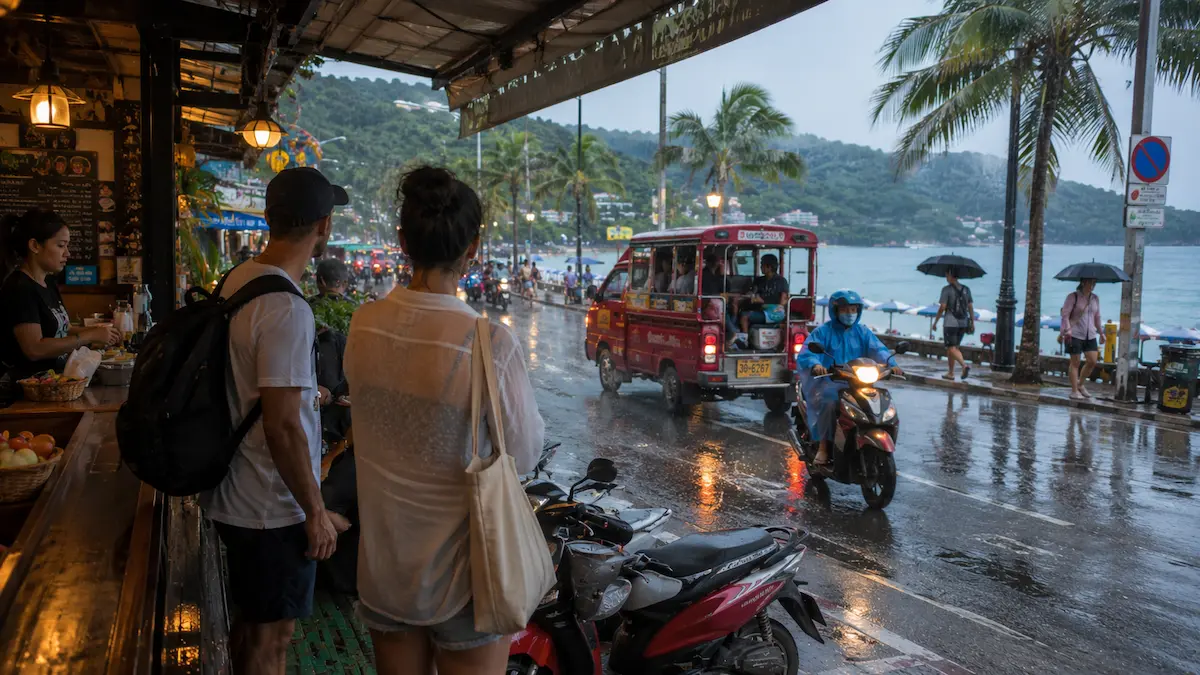
Another major factor is whether travellers only experience Phuket through tourism infrastructure or whether they also notice the smaller moments happening around it. Local cafés, roadside restaurants, markets, quieter roads, and ordinary daily life often become the parts people remember most because they feel less staged and more personal.
In many ways, Phuket tends to reflect the style of travel people bring into it.
Travellers wanting a smoother and more balanced first experience should also read:
Those two decisions alone often shape whether someone falls in love with Phuket or struggles to connect with it.
Social Media Can Distort Phuket Expectations
One of the biggest effects social media has on travel is not necessarily showing false places, but creating unrealistic expectations about how those places feel in everyday reality.
This is especially true when comparing real Phuket vs Instagram Phuket.
Most travel content online is carefully selected to highlight the most visually impressive moments possible. Beaches are photographed during ideal lighting. Drone shots remove crowds and traffic from view. Cafés are shown during quieter periods. Luxury resorts appear isolated from the surrounding roads, shops, construction, or neighbouring buildings nearby.
Even weather becomes curated.
Many people arrive expecting nonstop blue skies and calm turquoise water because that is the version of Phuket most commonly shown online. But tropical islands naturally change constantly depending on season, storms, humidity, wind, tides, and time of day.
Social media also compresses travel into highlight reels. A creator may spend ten days in Phuket and post only the best twenty seconds from the entire trip. Viewers then unconsciously begin expecting every moment of their own holiday to feel equally cinematic.
The same thing happens with nightlife, food, and beach experiences. A beautifully framed cocktail beside the ocean may have been photographed seconds before heavy rain arrived. A quiet beach photo may have been taken at sunrise before hundreds of tourists arrived later in the morning. A “hidden café” may actually sit beside a busy road just outside the camera angle.
None of this means social media is useless or dishonest. Many travellers genuinely discover amazing places through Instagram, YouTube, TikTok, and travel blogs.
The problem usually begins when people expect the island itself to behave like permanently edited content.
In reality, Phuket is much more dynamic, unpredictable, and human than social media often suggests. That unpredictability is also part of what makes travelling there memorable.
Ironically, some of the best travel moments happen precisely because things do not unfold perfectly according to the online fantasy version.
The Most Memorable Parts of Phuket Usually Aren’t Perfect
When people look back on Phuket trips later, the moments they remember most are often not the perfectly staged Instagram scenes they expected before arriving.
Instead, the memories usually come from smaller and slightly imperfect experiences that felt unexpectedly real at the time.
A roadside seafood meal during heavy tropical rain.
A quiet beach early in the morning before anyone else arrived.
Getting lost briefly on a hill road and accidentally finding a viewpoint overlooking the coastline.
Sitting in a night market surrounded by smoke, noise, scooters, and food stalls while trying dishes you never planned to order.
Watching the sky suddenly clear after an afternoon storm.
Stopping for coffee beside a small local road while the island slowly moves around you.
These moments rarely look perfectly cinematic while they are happening. In fact, many would probably seem too ordinary or messy to post online at all. But emotionally, they often become the strongest memories from the trip because they feel personal instead of carefully constructed.
This is one reason the difference between real Phuket vs Instagram Phuket matters so much. Social media tends to prioritise polished visuals over atmosphere, movement, weather, sound, discomfort, spontaneity, and human experience — all the things that actually make travel feel memorable in real life.
Phuket itself is constantly shifting between beautiful and chaotic, relaxing and exhausting, quiet and crowded. Some of the island’s best moments happen in the middle of those contrasts rather than outside them.
Travellers who allow room for imperfection usually end up connecting with Phuket far more deeply than people chasing nonstop “perfect” travel content.
So What Is the “Real” Phuket?
In many ways, the real Phuket is all of it together.
It is the beautiful beaches and the traffic behind them. The luxury resorts beside ordinary neighbourhood streets. The quiet sunrise before the crowded afternoon. The tropical rainstorm interrupting a perfect beach day. The expensive beach clubs and the roadside noodle stalls operating only a few minutes apart.
The real Phuket is not separate from tourism. Tourism is part of the island now, and has been for decades. Nightlife, cafés, tours, markets, resorts, beach vendors, taxis, scooters, local families, temples, construction, sunsets, crowds, rain, and everyday routines all exist together inside the same environment.
That complexity is part of what makes Phuket feel so different from the simplified version often presented online.
For some travellers, Phuket becomes frustrating because they expect a permanently filtered paradise with no inconvenience or contradiction. For others, the island becomes fascinating precisely because it feels alive, imperfect, and constantly changing rather than controlled and artificial.
The truth is that Phuket can be beautiful and exhausting on the same day. Peaceful in one area and chaotic in another only fifteen minutes away. Deeply local in some moments and heavily commercial in others.
None of those things cancel each other out.
If anything, they are what make Phuket feel real.
Travellers who arrive expecting only the Instagram version sometimes struggle. Visitors who allow space for the island’s ordinary side — the weather, movement, noise, food stalls, traffic, markets, local life, and slower unexpected moments — often end up understanding Phuket much more deeply.
In the end, the real Phuket is not hidden behind social media.
It is simply bigger, messier, more human, and more layered than a perfectly framed photo can ever fully show.
If you are currently planning a Phuket trip, the free Phuket guide from Resurgence Travel helps first-time visitors understand where to stay, how transport actually works, what different areas feel like, and how to avoid many of the common expectations that can affect a Phuket holiday. It is designed to give travellers a more realistic and practical understanding of the island before arriving.
Frequently Asked Questions About Real Phuket vs Instagram Phuket
Is Phuket really as beautiful as Instagram shows?
Yes, many parts of Phuket genuinely are very beautiful. Beaches, sunsets, viewpoints, tropical islands, and coastal scenery often look impressive in real life as well. Social media usually highlights the best moments and angles rather than showing the full everyday reality around them.
Is Phuket overcrowded?
Some areas can become very crowded, especially Patong, Bangla Road, and popular beaches during high season. At the same time, quieter beaches, local areas, and slower parts of the island still exist away from the busiest tourist zones.
Does Phuket feel very touristy?
In major tourism areas, yes. Phuket is one of Thailand’s biggest tourist destinations. However, local neighbourhoods, markets, temples, roadside restaurants, and quieter coastal areas still maintain a much more everyday atmosphere.
Is Instagram Phuket fake?
Not completely. Most locations shown online are real, but social media naturally crops, edits, and compresses travel into highly curated moments that may not reflect how a place feels all day in everyday conditions.
What parts of Phuket does social media usually ignore?
Traffic, rain, humidity, construction, local routines, crowded roads, transport delays, and ordinary daily life are all parts of Phuket that rarely appear in polished travel content online.
Can you still experience authentic Phuket?
Yes, although “authentic” usually comes from slowing down and exploring more naturally rather than searching for secret untouched places. Markets, local cafés, roadside restaurants, quieter roads, and everyday interactions often feel the most real.
What is the quietest part of Phuket?
Areas like Nai Yang, Nai Harn, Rawai, and parts of northern Phuket generally feel quieter and slower compared to Patong and central tourism zones.
Why do some visitors dislike Phuket?
Expectation mismatch is usually the biggest reason. Travellers expecting nonstop tropical perfection sometimes struggle with crowds, traffic, weather, nightlife intensity, or the commercial side of the island.
Is Phuket better early in the morning?
For many people, yes. Beaches, roads, markets, and local areas often feel calmer and more balanced during the early morning hours before peak tourism activity begins.
What is the best way to experience the “real” Phuket?
Usually by balancing both sides of the island — enjoying beaches and tourist attractions while also exploring markets, local food, quieter roads, cafés, and slower everyday moments beyond the main tourism bubble.
About the Author
David Hibbins is the founder of Go Find Asia and a long-term Phuket-based travel writer focused on practical, experience-driven travel across Thailand and Southeast Asia. His work explores the difference between social media expectations and the everyday reality of destinations, with a strong focus on local atmosphere, travel planning, food culture, photography, and understanding how places actually feel once you arrive.
Through Go Find Asia and Resurgence Travel, David creates realistic travel guides designed to help visitors experience Phuket beyond postcard imagery — balancing famous attractions with local experiences, quieter moments, and the practical side of travelling around one of Thailand’s busiest islands.