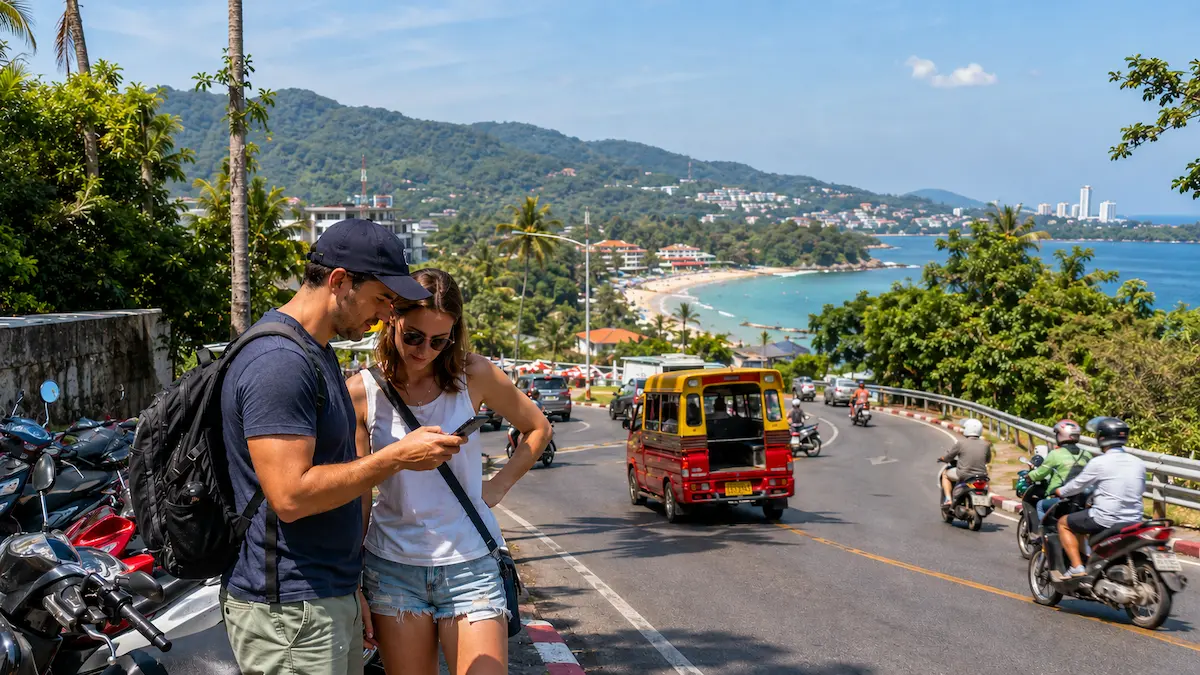
Phuket Mistakes First Timers Make
For many travellers, Phuket looks fairly simple when researching online. Beautiful beaches, island tours, tropical weather, nightlife, markets, resorts, and sunsets all make the island appear easy to navigate and straightforward to plan.
In reality, Phuket is usually much more enjoyable once visitors understand how different parts of the island actually work together.
One of the biggest reasons first-time travellers struggle in Phuket is not because the island is dangerous or difficult. Most problems happen because expectations do not match reality. Visitors often underestimate how large Phuket is, choose the wrong area to stay, overbook tours, misunderstand transport, or assume every beach and neighbourhood feels roughly the same.
The good news is that most Phuket mistakes first timers make are very easy to avoid once you understand a few practical things beforehand.
Phuket is not just one beach town. Different parts of the island have completely different atmospheres. Patong feels very different from Rawai. Nai Yang feels different again from Kata or Bang Tao. Some areas are built around nightlife, some around families and resorts, while others feel quieter and more local.
Transport also catches many people off guard. Distances between beaches can look short on maps while still taking significant time because of traffic, hills, and road layout. Visitors sometimes plan unrealistic itineraries that leave them spending more time moving around Phuket than actually enjoying it.
Another common mistake is trying to experience everything too quickly. Phuket works far better when travellers allow time for slower moments between beaches, markets, cafés, viewpoints, restaurants, and day trips instead of rushing constantly between attractions.
At the same time, first-time visitors should not become anxious about making mistakes. Phuket is one of Thailand’s biggest tourism destinations, and millions of people visit every year without major problems. Most issues are small, fixable, and easy to avoid with slightly more realistic planning.
This guide covers the most common Phuket mistakes first timers make, including choosing the wrong area, transport confusion, beach expectations, nightlife misunderstandings, overpacked itineraries, and other small planning errors that can affect a trip more than many visitors expect.
If you are still organising your Phuket holiday, it may also help to read the full First-Time Phuket Guide and Phuket Travel Planning Guide before deciding how to structure your trip.
Choosing the Wrong Area to Stay
One of the biggest Phuket mistakes first timers make is choosing accommodation without fully understanding how different the island’s areas actually feel from one another.
Many visitors assume Phuket works like one compact beach town where everything is only a short walk away. In reality, Phuket is a large island with very different regions, atmospheres, and travel styles spread across the coastline.
Choosing the wrong area does not usually ruin a trip, but it can completely change the type of experience people end up having.
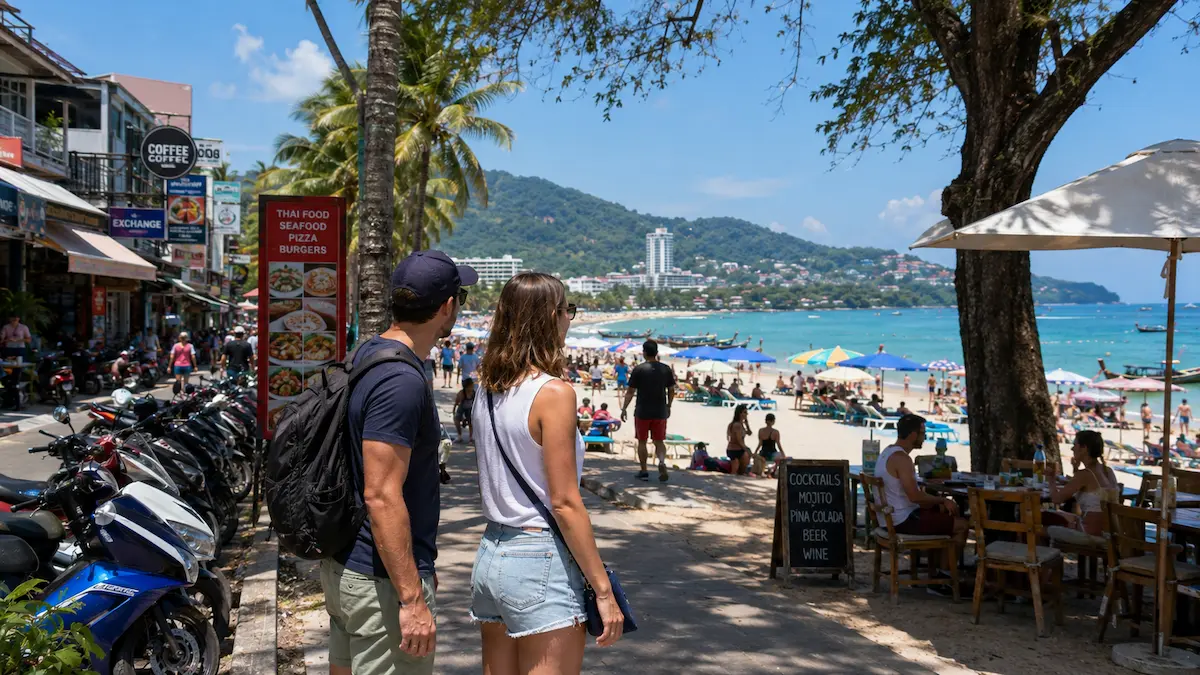
Patong is probably the best example. Some travellers book Patong expecting a quiet tropical beach holiday and then feel overwhelmed by the traffic, nightlife, crowds, and constant activity around Bangla Road. At the same time, other visitors stay somewhere very quiet like Rawai or Nai Yang and later realise they actually wanted more nightlife, beach clubs, or social energy nearby.
The mistake is usually not the area itself. The mistake is choosing an area that does not match the type of trip you actually want.
Kata and Karon often work well for travellers wanting a middle ground between nightlife and relaxation. Patong suits people wanting nightlife, convenience, shopping, and activity. Rawai and Nai Harn generally feel slower and more residential, while Bang Tao leans more toward upscale resorts, beach clubs, and quieter long-stay travel.
Transport also becomes part of the decision. Staying in a quieter area may sound appealing until visitors realise they need longer taxi rides every evening to reach tours, nightlife, shopping areas, or restaurants elsewhere on the island.
Another common mistake is booking accommodation purely based on price without thinking about movement and convenience. A cheaper hotel far from the areas you actually plan to spend time in can easily lead to higher transport costs and wasted travel time every day.
For first-time visitors especially, it is usually smarter to choose an area based on atmosphere and travel style rather than chasing the absolute cheapest hotel deal available.
Travellers wanting a full breakdown of Phuket’s major areas should read Where to Stay in Phuket before booking accommodation. More detailed comparisons between different beach areas are also covered in:
Understanding these differences before arriving is one of the easiest ways to avoid unnecessary stress during a first Phuket trip.
Underestimating Phuket Travel Times
Another one of the most common Phuket mistakes first timers make is assuming the island is much smaller and easier to move around than it actually is.
When looking at maps online, many beaches and attractions appear fairly close together. Visitors often plan itineraries thinking they can move quickly between Patong, Phuket Old Town, beach clubs, island tour piers, cafés, viewpoints, and restaurants multiple times a day without much effort.
In reality, Phuket travel times can become surprisingly long depending on traffic, road conditions, weather, and time of day.
The island’s geography plays a major role in this. Phuket is not flat, and many roads curve through hills, coastal routes, and busy urban areas rather than following simple direct highways. Traffic around Patong, Chalong, Kata, Karon, and central Phuket can also become heavy during peak periods, especially later in the afternoon and evening.
Airport transfers are one of the first situations where travellers notice this. Phuket International Airport sits in the northern part of the island, while many major tourist beaches are much further south. Visitors sometimes expect quick transfers before realising the journey to Patong alone can easily take over an hour depending on traffic conditions.
Another common mistake is stacking too many activities into the same day without accounting for movement time between locations. A schedule that looks realistic online can quickly become exhausting once people begin spending large portions of the day sitting inside taxis or moving through traffic.
Transport style also changes timing significantly. Phuket-style tuk tuks work well for short local trips, but longer island crossings are usually better handled through Grab, Bolt, taxis, or organised transport. Scooter travel can sometimes feel faster for experienced riders, but unfamiliar roads, weather, and traffic still slow movement more than many visitors expect.
One of the easiest ways to improve a Phuket trip is simply reducing unnecessary backtracking across the island. Grouping activities by area and allowing more flexibility in the schedule usually creates a much more relaxed experience overall.
Travellers wanting a better understanding of Phuket transport, pricing, and movement around the island should also read Getting Around Phuket and the full Phuket Airport Transfer Guide before planning daily itineraries.
Trying to Do Too Much Too Quickly
One of the easiest ways to make Phuket feel exhausting instead of enjoyable is trying to experience everything in a very short amount of time.
Many first-time visitors arrive with ambitious itineraries packed full of island tours, beach hopping, nightlife, markets, cafés, viewpoints, restaurants, shopping, and day trips all squeezed tightly together. On paper it can look exciting. In reality, the trip often becomes far more rushed and tiring than expected.
Part of the problem is that Phuket naturally encourages overplanning. Social media, travel blogs, tour companies, and online guides constantly showcase new beaches, hidden cafés, viewpoints, restaurants, and activities, making visitors feel like they need to experience everything before leaving.
The reality is that Phuket works much better at a slightly slower pace.
Trying to do multiple beaches, a long island tour, sunset drinks, and nightlife all in the same day often leaves people spending more time moving around the island than actually enjoying where they are. Heat, humidity, traffic, and transport delays also become more draining over time, especially for travellers not used to tropical climates.
Island tours are another area where visitors commonly overload themselves. Booking multiple full-day boat trips back-to-back can sound exciting before arrival, but many people end up physically exhausted after only one or two long days on the water.
Another common mistake is underestimating recovery time. Phuket’s nightlife, weather, and activity levels can be surprisingly tiring, especially for travellers trying to combine beach holidays with constant sightseeing and social activities.
In many cases, travellers end up enjoying Phuket more once they leave space for slower afternoons, spontaneous stops, markets, cafés, beach time, or quieter evenings instead of treating every day like a race between attractions.
The island generally rewards flexibility more than perfection.
Travellers wanting help structuring a more realistic trip should also read Phuket Itinerary and How Many Days in Phuket before finalising their plans.
Expecting Every Beach to Feel the Same
One of the most common Phuket mistakes first timers make is assuming all of the island’s beaches offer roughly the same atmosphere with slightly different scenery.
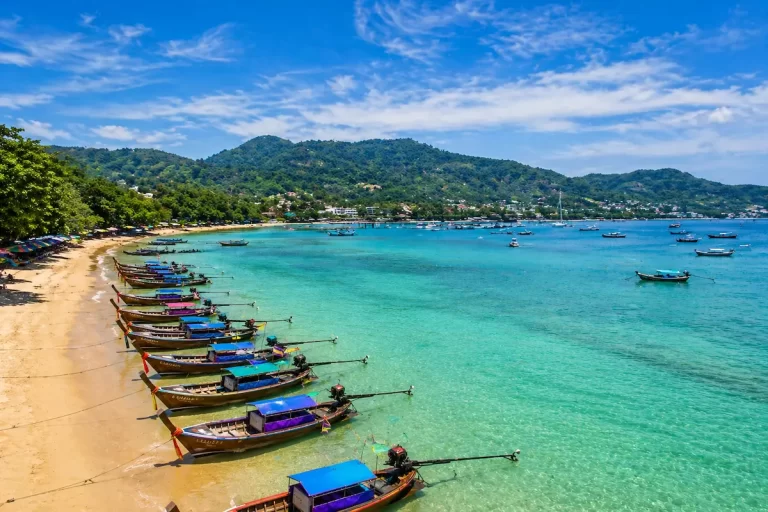
In reality, Phuket’s beaches feel completely different from one another depending on location, tourism style, nightlife, swimming conditions, crowd levels, and surrounding development.
This catches many visitors off guard.
Travellers sometimes choose a beach purely based on photos without understanding the overall environment around it. A beach that looks beautiful online may not match the type of holiday experience someone actually wants once they arrive in person.
Patong is probably the clearest example. The beach itself is large and visually impressive, but the surrounding area is heavily built around nightlife, shopping, bars, restaurants, entertainment, and constant movement. Some visitors love the energy and convenience, while others quickly realise they wanted something quieter and more relaxed.
Kata and Karon usually feel calmer than Patong while still remaining very tourism-friendly. Families, couples, and first-time visitors often prefer these areas because they balance beaches, restaurants, nightlife, and convenience without the same intensity as central Patong.
Meanwhile, beaches like Nai Yang or parts of Rawai feel noticeably slower and more local. The atmosphere tends to focus less on nightlife and more on relaxed cafés, local restaurants, quieter evenings, and slower daily movement.
Swimming conditions also vary heavily across Phuket. Some beaches are better for swimming during certain seasons, while others become rough or dangerous during stronger monsoon periods. Visitors sometimes assume every beach is suitable for calm swimming year-round, which is not always the case.
Another mistake is trying to “collect” beaches too quickly without spending enough time actually enjoying them. Constant beach hopping can easily become tiring because movement around Phuket often takes longer than expected.
For many travellers, choosing one or two beaches that genuinely fit their travel style usually creates a better experience than trying to visit every famous beach on the island in a single trip.
Travellers wanting a broader breakdown of Phuket’s beach areas should also read:
Understanding the personality of each beach before arriving often changes the entire trip experience.
Not Understanding Phuket Transport
Transport confusion is easily one of the most common Phuket mistakes first timers make, especially during the first few days on the island.
Many visitors arrive expecting Phuket to function like a compact walkable beach town with cheap transport available everywhere instantly. In reality, movement around the island works very differently depending on where you stay, what time you travel, and how far you need to go.
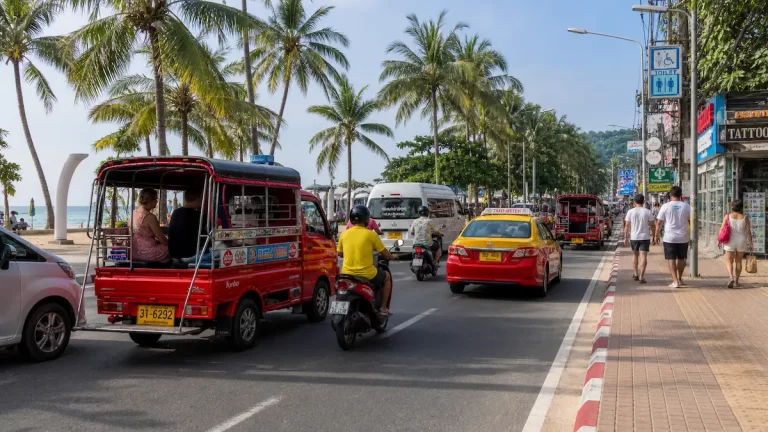
One thing that surprises many travellers immediately is that Phuket-style tuk tuks are not the same as the small three-wheeled tuk tuks commonly seen in Bangkok. In Phuket, tuk tuks are usually small open-sided trucks with bench seating and covered roofs, operating mainly around tourist areas and shorter local trips.
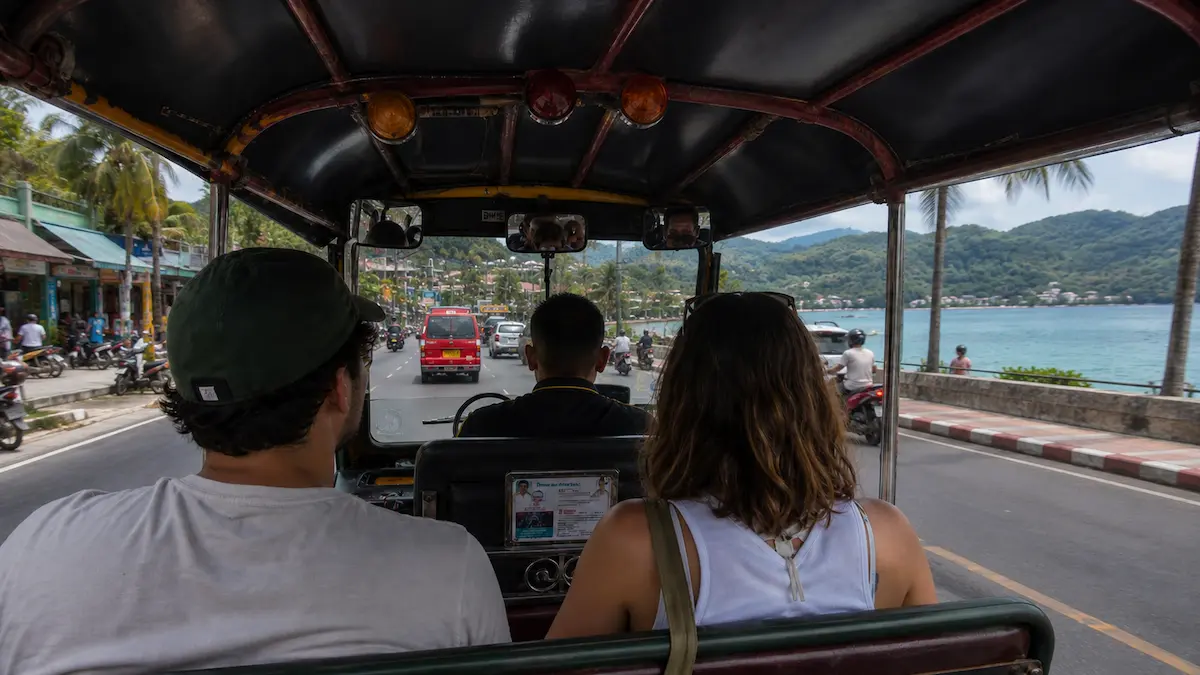
They are convenient, easy to find, and useful for quick journeys around beach areas like Patong, Kata, or Karon. At the same time, visitors are often surprised by the pricing compared to mainland Thailand, especially during busy periods or late at night.
Grab and Bolt have changed transport around Phuket significantly and are now widely used by tourists for longer trips across the island. Bolt is often cheaper, while Grab sometimes connects travellers with regular taxis operating through the app itself. Availability can still vary depending on location and time of day.
Another mistake visitors make is assuming scooters are automatically the best solution for everyone. Scooters provide flexibility and can reduce transport costs, but Phuket roads are not always easy for inexperienced riders. Hills, rain, traffic, sharp corners, and unfamiliar road behaviour create conditions that can become dangerous very quickly for people without proper riding experience.
Late-night transport also catches many people off guard, especially around nightlife zones. Prices often increase later in the evening, and availability can become more inconsistent depending on weather, crowds, and location.
Some travellers also underestimate how much transport affects overall trip planning. Staying in quieter areas may sound ideal until visitors realise they are spending large amounts of time and money travelling back and forth across the island every day.
One of the easiest ways to avoid transport frustration in Phuket is choosing accommodation close to the style of experience you actually want most — beaches, nightlife, cafés, restaurants, markets, or relaxation.
Travellers wanting a deeper breakdown of local transport, pricing, airport transfers, and realistic movement around Phuket should also read:
- Getting Around Phuket
- upcoming Grab vs Taxi Phuket
- Phuket Airport Transfer Guide
Only Experiencing Tourist Areas
One of the more subtle Phuket mistakes first timers make is spending the entire trip inside the same small tourism bubble without ever seeing much beyond it.
This happens very easily in Phuket because the island is designed to make tourist areas comfortable and convenient. Places like Patong contain beaches, nightlife, restaurants, shopping, cafés, hotels, tours, massage shops, and entertainment all concentrated into one relatively compact area. Visitors can spend an entire holiday there without technically needing to leave at all.
There is nothing inherently wrong with that. Many people genuinely enjoy staying inside the busiest tourism zones, especially on shorter holidays.
At the same time, Phuket often feels much more balanced once travellers explore at least a few places beyond the main tourist streets.
Even small changes can create a very different perspective on the island. Spending an evening in Phuket Old Town, visiting local markets, driving through quieter coastal roads, stopping at smaller cafés, or eating at simple roadside restaurants often reveals a side of Phuket that feels far less commercial and far more connected to everyday life.
Food experiences especially tend to improve once travellers move slightly outside the most obvious tourist strips. Markets, local restaurants, smaller cafés, and neighbourhood food stalls often create some of the most memorable moments of a trip without requiring complicated planning.
Another common mistake is assuming the busiest and most photographed places are automatically the best experiences available. Some travellers become so focused on famous beaches, nightlife, and influencer locations that they completely miss quieter moments that actually suit their travel style better.
That does not mean visitors need to chase fake “secret local spots” or avoid all tourism completely. Phuket is a tourism destination, and many famous areas are popular for good reason. The goal is simply creating a little more balance.
For many first-time visitors, even one or two slower experiences outside the busiest tourism zones completely changes how they view Phuket overall.
Travellers wanting to explore beyond Phuket’s main tourist areas should also read:
These smaller experiences are often where the island starts feeling more personal and memorable.
Misunderstanding Phuket Nightlife
Phuket nightlife is one of the island’s biggest attractions, but it is also an area surrounded by a lot of unrealistic expectations and confusion for first-time visitors.
Some travellers arrive expecting nonstop parties across the entire island, while others worry Phuket will feel overwhelmingly chaotic everywhere they go. In reality, nightlife in Phuket is heavily concentrated into certain areas, and the atmosphere changes dramatically depending on where you stay.
Patong is the centre of Phuket nightlife, especially around Bangla Road and the surrounding streets. This area is loud, busy, energetic, heavily tourism-focused, and built almost entirely around bars, clubs, music, restaurants, street entertainment, and nightlife activity late into the evening.
For visitors wanting nightlife, social energy, live music, bars, or late nights, Patong can be extremely fun. But travellers expecting a quiet tropical beach atmosphere are often shocked by how intense the area feels after dark.
At the same time, one of the biggest Phuket mistakes first timers make is assuming the entire island feels like Bangla Road. It absolutely does not.
Large parts of Phuket remain relatively quiet at night, especially areas like Nai Yang, Rawai, Nai Harn, Surin, and many northern beach zones. Families, couples, long-stay travellers, and quieter holiday visitors often stay in these areas specifically because they want to avoid heavy nightlife.
Another mistake is underestimating how concentrated nightlife activity actually is. Visitors sometimes book hotels directly beside nightlife streets without realising how much noise, traffic, and late-night movement continues into the early morning hours.
Alcohol and nightlife scams are another area where realistic awareness matters. Most people enjoy Phuket nightlife without serious problems, but heavy intoxication, poor judgement, and aggressive behaviour usually increase the chance of negative experiences much more than nightlife itself.
Transport after nightlife also becomes important. Late-night tuk tuk and taxi pricing often increases, and availability can become inconsistent during peak hours, especially around Patong after bars close.
One of the easiest ways to avoid nightlife disappointment in Phuket is understanding your own travel style honestly before booking accommodation. Visitors wanting quiet beaches and early mornings generally should not stay directly beside Bangla Road, while travellers wanting nightlife energy may find quieter areas too slow for their preferences.
Travellers wanting a deeper breakdown of Phuket nightlife, areas, atmosphere, and realistic expectations should also read the upcoming Phuket Nightlife Guide and Is Phuket Safe before planning evenings around the island.
Ignoring Weather and Season Reality
Another one of the most common Phuket mistakes first timers make is assuming the island will always look and behave exactly like peak dry-season social media photos.
Phuket’s weather changes significantly throughout the year, and those seasonal differences affect beaches, swimming conditions, island tours, transport, visibility, crowds, and the overall atmosphere of a trip much more than many visitors expect.
The biggest misunderstanding usually involves wet season travel.
Some travellers imagine Phuket’s wet season as nonstop heavy rain every day, while others assume rain barely matters at all. The reality usually sits somewhere in the middle. Wet season often brings a mix of sunshine, tropical storms, humidity, cloudy periods, and sudden heavy rain showers that can appear and disappear quickly.
Sea conditions also change heavily during rougher weather periods. Beaches that feel calm and perfect for swimming during dry season can develop stronger waves and dangerous currents during monsoon months. Red warning flags on beaches should always be taken seriously.
Another mistake visitors make is planning extremely rigid itineraries during wetter months without allowing flexibility. Boat tours, beach days, viewpoints, and outdoor activities are all affected by weather conditions, and some plans may need adjusting at short notice.
At the same time, many travellers actually enjoy Phuket during green season once they arrive with realistic expectations. The island often feels greener, quieter, cooler in some periods, and less crowded compared to peak tourist months. Rainstorms can also create dramatic scenery and softer atmospheres that many visitors end up appreciating unexpectedly.
Humidity is another factor people underestimate year-round, especially travellers arriving from colder climates. Even simple activities can feel far more physically draining in tropical conditions than expected.
One of the easiest ways to improve a Phuket trip is simply accepting that weather is part of the island experience rather than expecting perfect beach conditions every single day.
Travellers wanting a full breakdown of Phuket seasons, rainfall patterns, and the best travel periods for different styles of trips should also read Best Time to Visit Phuket before finalising travel dates.
Are Phuket Mistakes Easy to Avoid?
In most cases, yes.
The majority of Phuket mistakes first timers make are not serious problems at all. They are usually small planning issues, unrealistic expectations, or misunderstandings about how the island actually works once you arrive.
Phuket is a large, busy tourism destination with many different personalities depending on where you stay and how you travel through it. Visitors who understand that before arriving generally have a much smoother experience.
Choosing the right area, allowing more travel time, avoiding overloaded itineraries, understanding transport realistically, and staying flexible with weather and daily plans already prevents most of the common frustrations tourists encounter.
At the same time, travellers should not become overly anxious about planning the “perfect” Phuket holiday. The island is very forgiving overall, and even trips with small mistakes still usually end up being enjoyable.
In fact, many visitors learn what they personally like about Phuket only after arriving. Some people discover they prefer quieter beaches over nightlife. Others realise they enjoy local markets, cafés, food experiences, or slower travel more than constant sightseeing and tours.
The important thing is approaching Phuket with slightly more realistic expectations rather than treating the island like a perfectly controlled resort environment built entirely around convenience.
Traffic exists. Weather changes. Beaches feel different from one another. Transport takes longer than expected. Nightlife is concentrated in certain areas. These are not problems — they are simply part of travelling through a large tropical island that combines tourism with everyday local life.
For most first-time visitors, Phuket becomes far easier and more enjoyable once they stop trying to experience everything perfectly and start allowing the island to unfold at a more natural pace.
A little planning helps enormously, but flexibility usually matters just as much.
If you are still planning your trip, our free Phuket guide from Resurgence Travel helps first-time visitors understand where to stay, how to move around the island, what areas suit different travel styles, and the common mistakes that can easily affect a Phuket holiday. It is designed to give travellers a more practical and realistic understanding of Phuket before arriving.
Frequently Asked Questions About Phuket Mistakes First Timers Make
What is the biggest mistake first-time visitors make in Phuket?
One of the biggest mistakes is choosing the wrong area to stay. Phuket’s beaches and towns feel very different from one another, and staying in an area that does not match your travel style can affect the entire trip.
Is Phuket difficult for first-time visitors?
No. Phuket is generally easy to travel around once you understand the island’s layout, transport options, and different beach areas. Most problems come from unrealistic expectations rather than Phuket itself being difficult.
How many days should first timers spend in Phuket?
For most visitors, 5–7 days allows enough time to experience beaches, markets, food, nightlife, and a few tours without feeling constantly rushed.
Is Patong too busy for first-time visitors?
That depends on what type of trip you want. Patong works very well for nightlife, convenience, restaurants, and activity, but travellers wanting quiet beaches and relaxation may prefer areas like Kata, Karon, Nai Yang, or Rawai.
Should first-time visitors rent scooters in Phuket?
Only if they already have proper riding experience. Phuket roads can be steep, busy, and unpredictable, especially during rain or heavy traffic periods.
Is Phuket expensive?
Phuket can suit many different budgets. Costs vary heavily depending on accommodation, transport, nightlife, tours, and dining choices. Tourist-heavy areas are usually more expensive than quieter local areas.
Do tourists underestimate Phuket travel times?
Very often. Phuket is much larger than many visitors expect, and traffic can significantly increase travel times between beaches, airports, tours, and attractions.
Is Phuket nightlife everywhere on the island?
No. Nightlife is heavily concentrated in certain areas like Patong and Bangla Road. Many parts of Phuket remain relatively quiet at night.
Is wet season still worth visiting Phuket?
Yes, for many travellers. Wet season brings more rain and rougher seas, but also fewer crowds, greener scenery, and lower prices in many cases.
Are Phuket mistakes easy to recover from?
Usually yes. Most mistakes are minor and easy to adjust once travellers understand the island better. Phuket is generally very forgiving for first-time visitors.
About the Author
David Hibbins is the founder of Go Find Asia and a long-term Phuket-based travel writer focused on practical, experience-driven travel across Thailand and Southeast Asia. His work explores both the popular and quieter sides of destinations, with a strong focus on local atmosphere, everyday travel experiences, food culture, photography, and understanding how places actually feel beyond social media highlights.
Through Go Find Asia and Resurgence Travel, David creates detailed travel guides designed to help visitors experience Phuket more realistically — balancing famous attractions with the slower moments, local areas, and hidden corners that often become the most memorable parts of travelling around the island.