Similan Islands Thailand Guide (2026): Tours, Snorkeling & Travel Tips
Shimmering turquoise water, giant granite boulders, and some of the clearest reefs in Thailand — the Similan Islands are one of the Andaman Sea’s most unforgettable destinations.
Located off the coast of Khao Lak in southern Thailand, the Similan Islands Thailand are famous for white-sand beaches, world-class snorkeling, and dive sites that regularly rank among the best in Asia. But despite their popularity, the islands still feel surprisingly wild compared to many of Thailand’s more developed beach destinations.
This guide covers everything you need to know before visiting the Similan Islands in 2026, including how to get there, the best time to visit, snorkeling and diving highlights, tour options, travel tips, and what makes this protected national park so special.
Whether you’re planning a Phuket day trip, a Khao Lak island tour, or a liveaboard diving adventure, here’s what to expect before you go.
The Story Behind the Similan Islands Thailand
The word “Similan” comes from the Malay word sembilan, meaning “nine.” When Thailand established Mu Ko Similan National Park in 1982, the protected area originally covered nine islands scattered across the Andaman Sea around 70 kilometers west of Khao Lak.
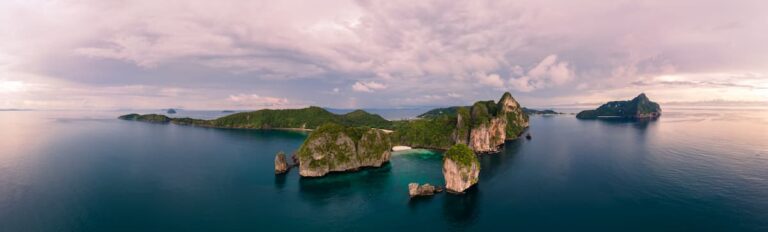
In 1998, the park expanded to include Ko Bon and Ko Tachai, bringing the total to 11 islands. Today, the Similan Islands Thailand are considered one of the country’s most important marine conservation areas, known for crystal-clear water, healthy coral reefs, and dramatic granite landscapes that look very different from the limestone cliffs found elsewhere in southern Thailand.
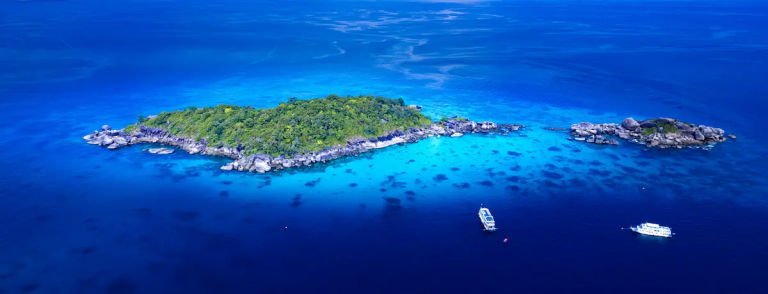
Above the surface, the islands are covered in tropical forest, white-sand beaches, and giant weather-shaped boulders. Below the waterline, coral gardens, swim-through passages, and deeper reef systems support turtles, reef sharks, rays, and hundreds of tropical fish species.
Unlike heavily developed tourist islands, the Similans remain tightly protected. Visitor numbers are controlled, the park closes during monsoon season each year for reef recovery, and large sections of the marine environment remain untouched.
That balance between tourism and conservation is part of what still makes the Similan Islands feel genuinely special compared to many other island destinations in Thailand.
Meet the 11 Islands of the Similan Archipelago
When most travelers talk about the Similan Islands Thailand, they imagine one tropical island destination. In reality, the national park is made up of 11 separate islands spread across the Andaman Sea, each with slightly different landscapes, reefs, beaches, and marine environments.
Some islands are known for snorkeling and swimming, others for deep dive sites, granite formations, or protected wildlife areas. Several are completely closed to visitors to help preserve fragile ecosystems.
Here’s a closer look at the islands that make up Mu Ko Similan National Park.
Ko Huyong (#1)
Ko Huyong is home to the longest beach in the Similan Islands National Park and serves as an important sea turtle nesting area. Because of its environmental significance, visitors are not allowed onto the island itself, helping protect nesting sites and coastal wildlife.
Ko Payang (#2)
Rocky headlands and steep granite slopes give Ko Payang a more rugged appearance than some of the softer white-sand islands further south. The surrounding water is popular with snorkelers thanks to clear conditions and healthy reef systems.
Ko Payan (#3)
Ko Payan is best known among divers for Shark Fin Reef, a dramatic underwater area filled with granite formations, coral growth, and deeper channels that attract reef fish and occasional whitetip sharks.
Ko Miang (#4)
Ko Miang is one of the most accessible islands for day-trip visitors and historically served as one of the park’s main ranger and visitor areas. The island has beautiful twin beaches connected by jungle walking trails and calm bays that are ideal for swimming and beginner snorkeling.
Ko Ha (#5)
Small and lightly visited, Ko Ha is surrounded by shallow coral gardens filled with tropical fish and colorful reef formations. Conditions here are usually calm during high season, making it another excellent snorkeling stop.
Ko Payu (#6)
Ko Payu is widely regarded as one of the best snorkeling islands in the Similan Islands Thailand. Clear shallow water, coral shelves, and frequent turtle sightings make it a favorite stop on many boat tours.
Ko Hin Pousar (#7)
Sometimes called Skull Island because of its unusual rock formations, Ko Hin Pousar is known for underwater caves, swim-through sections, and deeper reef environments popular with experienced divers.
Ko Similan (#8)
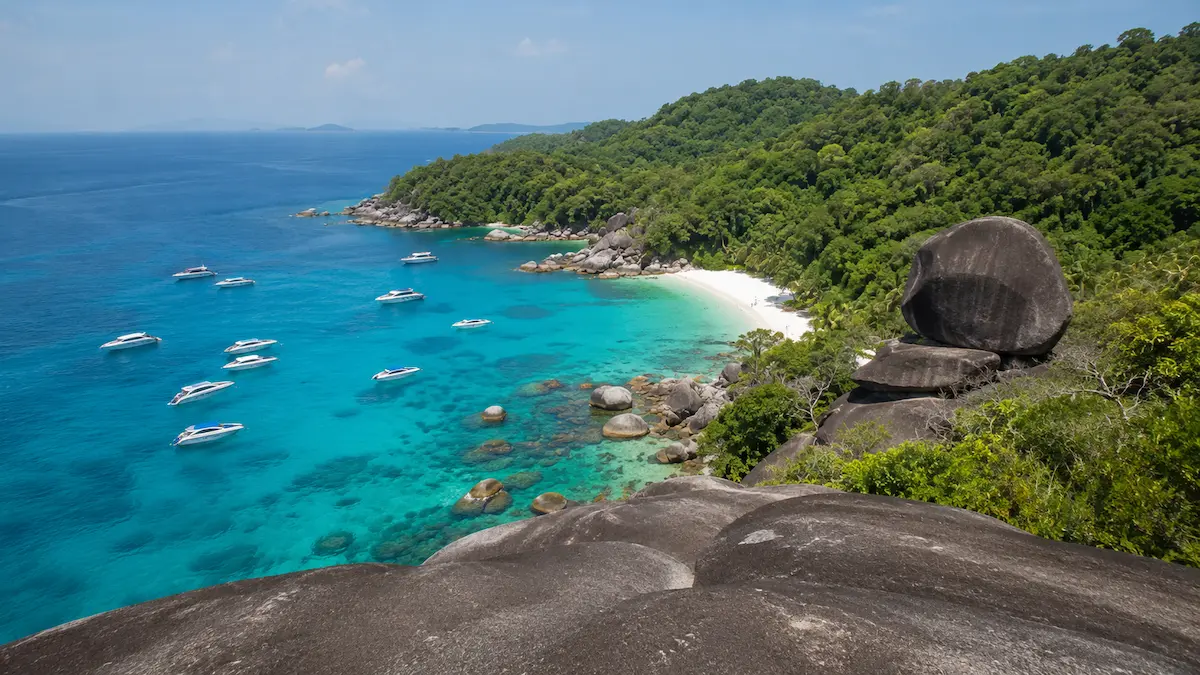
Ko Similan is the largest and most famous island in the archipelago. It’s home to the iconic Sail Rock viewpoint overlooking Donald Duck Bay — one of the most recognizable landscapes in southern Thailand. The short climb to the viewpoint is one of the highlights of visiting the Similan Islands.
Ko Ba-Ngu (#9)
Ko Ba-Ngu features deeper reefs and stronger currents that attract larger marine life. Dive sites around the island are known for impressive coral structures, schools of trevallies, and excellent underwater visibility during peak season.
Ko Bon (#10)
Added to the national park in 1998, Ko Bon is especially famous within the diving community. Its deeper offshore reefs and wall dives occasionally attract manta rays, particularly during the later part of the Similan diving season.
Ko Tachai (#11)
Ko Tachai was once one of the park’s most famous islands for diving and white-sand beaches, but large parts remain closed to help restore marine ecosystems after periods of heavy tourism pressure. Conservation efforts here reflect Thailand’s growing focus on long-term reef protection.
Best Time To Visit The Similan Islands
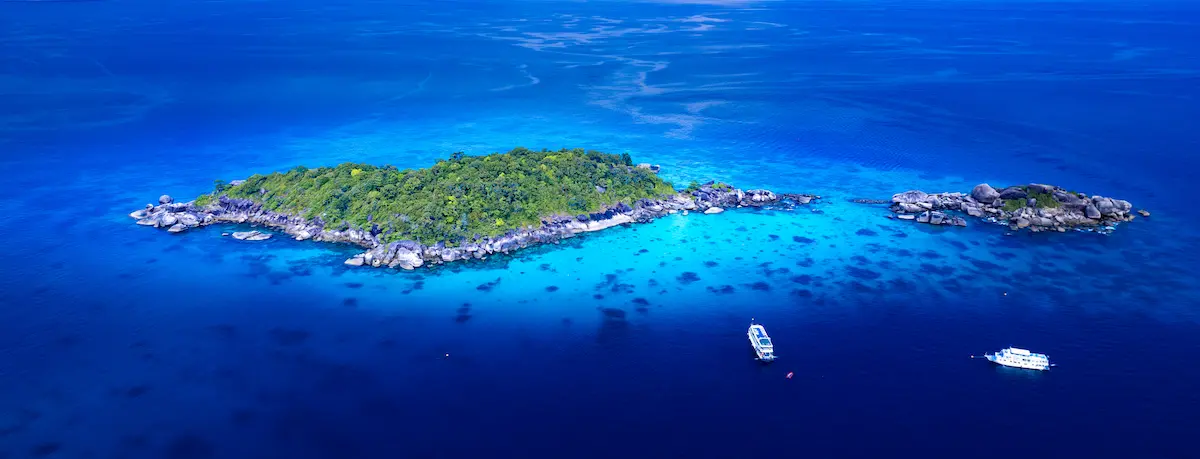
The Similan Islands Thailand are only open for part of the year, with the national park operating from roughly mid-October until mid-May. During this period, calmer seas and improved underwater visibility make conditions suitable for snorkeling, diving, and speedboat tours.
From around May to October, the islands close completely during the southwest monsoon season. Stronger winds, rough seas, and heavy rain make travel unsafe, but the annual closure also plays an important role in reef recovery and marine conservation. It’s one of the reasons the Similan Islands still feel far more protected than many other island destinations in Thailand.
For most travelers, the best time to visit is between December and April, when the Andaman Sea is generally calmer and skies are more reliable. Water visibility regularly reaches 20–30 meters during peak season, especially around the deeper dive sites.
Early season conditions in October and November can still be excellent, although occasional weather changes are more common. Some divers also prefer this period because plankton-rich water may increase the chance of spotting larger marine life, including manta rays and whale sharks.
If you’re planning a trip from Phuket, weather conditions matter more than many travelers expect. Even when Phuket itself looks sunny, offshore conditions near the Similan Islands can still change quickly. Most operators monitor marine forecasts carefully, and speedboat departures are sometimes adjusted or canceled when conditions become unsafe.
Travelers staying in Phuket should also remember that Similan tours usually involve very early departures, often before sunrise, especially when including transfers to Khao Lak piers. If you prefer a slower pace or want to reduce travel time, spending a night in Khao Lak before your tour can make the experience much more relaxed.
For broader seasonal planning, guides like Best Time to Visit Phuket, Phuket Weather Guide, and Phuket Day Trips can help you decide when conditions are most suitable for island tours and marine activities.
What to Do on the Similan Islands Thailand
The Similan Islands Thailand are best experienced in the water. While the beaches and granite viewpoints are beautiful, the real reason most travelers come here is for the marine environment — clear water, healthy coral reefs, tropical fish, and some of the best snorkeling and diving conditions in Thailand.
Most tours combine several islands and activities into a single day, usually including snorkeling stops, beach time, short walking trails, and scenic viewpoints. Divers, photographers, and marine-life enthusiasts often stay longer through liveaboard trips departing from Khao Lak.
Here are the main experiences that make the Similan Islands one of Thailand’s most famous marine destinations.
Snorkeling & Freediving
For many visitors, snorkeling is the highlight of the entire trip. The water around the Similan Islands Thailand is exceptionally clear during high season, with visibility often stretching far beyond what most travelers experience around Phuket itself.
Areas around Ko Payu (#6) and Ko Miang (#4) are especially popular for beginner-friendly snorkeling thanks to calmer water and shallow coral gardens filled with angelfish, butterflyfish, parrotfish, and clownfish. Sea turtles are also regularly spotted around the reefs.
Freedivers are increasingly drawn to the Similan Islands because of the visibility, granite formations, and relatively uncrowded underwater environments compared to some other Thai island destinations.
Travelers interested in more island-based marine experiences should also explore Best Phuket Day Trips, Best Beaches in Phuket, and Best Snorkeling Tours Phuket.
Scuba Diving
The Similan Islands are internationally known as one of the best diving destinations in Southeast Asia. Dive sites range from shallow coral gardens suitable for newer divers through to deeper current-exposed reefs and granite swim-through formations for experienced divers.
Famous sites such as Elephant Head Rock, Christmas Point, and Deep Six are known for giant boulders, coral walls, reef sharks, rays, barracuda schools, and occasional manta ray sightings during the right season.
Most serious dive trips operate from Khao Lak rather than Phuket due to the shorter travel distance. Multi-day liveaboard boats are especially popular because they allow divers to reach outer reef systems early in the morning before day-tour traffic arrives.
For travelers comparing island experiences around southern Thailand, guides like Phuket vs Krabi and Phuket Day Trips can help explain the differences between the region’s marine environments.
Sail Rock Viewpoint
One of the most photographed locations in the Similan Islands Thailand is the Sail Rock viewpoint on Ko Similan (#8). A short uphill walking trail leads to massive granite boulders overlooking Donald Duck Bay and the surrounding turquoise sea.
The climb itself only takes around 10–15 minutes, but the viewpoint delivers one of the most recognizable panoramas in southern Thailand. On clear days, the contrast between white sand, dense jungle, and bright blue water almost looks unreal.
Because of the heat and exposed rocks, it’s best to attempt the climb earlier in the day before temperatures peak.
Wildlife & Marine Life
The marine ecosystem around the Similan Islands supports an enormous variety of life, ranging from tiny reef species through to larger pelagic animals.
Snorkelers and divers regularly encounter:
- sea turtles
- moray eels
- reef sharks
- eagle rays
- barracuda
- octopus
- giant trevallies
- schools of fusiliers and snapper
During parts of the diving season, manta rays and whale sharks are occasionally spotted around deeper offshore sites, especially near Ko Bon.
Above the waterline, some islands also support tropical birds, monitor lizards, fruit bats, and protected nesting areas for sea turtles.
Photography & Scenic Views
The Similan Islands Thailand are one of the most visually striking places in southern Thailand for travel and underwater photography. The combination of giant granite formations, clear water, coral reefs, and bright tropical light creates an environment that feels very different from the limestone scenery found around places like Phi Phi or Phang Nga Bay.
Wide coastal viewpoints, reef textures, speedboats crossing turquoise water, and underwater visibility all make the islands especially rewarding for photographers.
If you’re building a broader Phuket itinerary around beaches and island scenery, articles like Where to Stay in Phuket, Phuket Itinerary, and First-Time Phuket Guide can help connect the Similan Islands with the rest of your trip planning.
How to Get to the Similan Islands Thailand
Most visitors reach the Similan Islands Thailand by speedboat from Khao Lak, a quieter coastal area north of Phuket that serves as the main departure point for island tours and liveaboard diving trips.
While it’s possible to visit from Phuket in a single day, the journey is longer than many travelers expect. Understanding the logistics before booking can make a huge difference to the overall experience.
Visiting the Similan Islands from Phuket
If you’re staying in Phuket, most tours include shared hotel pickup before sunrise, followed by a road transfer north to Tab Lamu Pier near Khao Lak. Depending on where you stay in Phuket, the drive usually takes between 2 and 3 hours before the speedboat journey even begins.
After arriving at the pier, visitors continue by speedboat for roughly another 90 minutes to reach the islands themselves.
This makes for a very long day, but many travelers still consider it worthwhile because of how different the Similan Islands feel compared to mainland Phuket beaches.
Travelers staying in areas such as Patong, Kata, Karon, or Bang Tao should expect especially early departures. Guides like Where to Stay in Phuket, Phuket Itinerary, and Phuket Airport Transfer Guide can help you better understand travel times across the island.
Staying in Khao Lak Instead
For travelers mainly focused on diving, snorkeling, or island tours, spending a few nights in Khao Lak is often the better option.
Because Khao Lak sits much closer to the Similan departure piers, tour days become far less exhausting. You avoid the pre-dawn Phuket transfer and usually reach the islands earlier in the morning with less overall travel time.
Khao Lak also has a slower and more relaxed atmosphere compared to Phuket, making it popular with divers, couples, and travelers planning multiple marine excursions during the same trip.
Many liveaboard diving operators are also based in Khao Lak rather than Phuket.
Speedboat Tours
Most visitors experience the Similan Islands through organized speedboat tours. These generally include:
- hotel transfers
- breakfast or light refreshments
- snorkeling equipment
- lunch
- national park assistance
- multiple island stops
Tour itineraries vary slightly depending on weather and marine conditions, but most focus on a combination of snorkeling locations, beach stops, and viewpoint access around Ko Similan and Ko Miang.
Because the Similan Islands National Park controls visitor numbers, booking ahead during peak season is highly recommended.
Travelers comparing different marine tours around Phuket may also want to read Best Phuket Day Trips, Best Snorkeling Tours Phuket, and James Bond Island Tour Phuket.
Liveaboard Diving Trips
For serious divers, liveaboard boats offer the best way to experience the Similan Islands Thailand properly.
These multi-day trips allow divers to explore deeper offshore reefs, outer islands, and early morning dive windows that day-trip visitors never reach. Some liveaboards also continue north toward Richelieu Rock and Surin Islands dive sites.
Trips usually range from two to five days and include accommodation, meals, dive equipment, and multiple guided dives each day.
Although more expensive than standard day tours, liveaboards are widely considered the best option for photographers and experienced divers wanting access to the full marine environment.
Private Charters & Custom Tours
Private speedboats and custom charters are available for travelers wanting more flexibility, although pricing increases significantly due to fuel costs, marine permits, and distance from the mainland.
These tours are generally most suitable for:
- families
- groups
- photographers
- dive teams
- luxury travelers wanting a more private experience
Weather conditions still affect all departures, and even private operators remain subject to national park regulations and seasonal closures.
No matter how you visit, the journey itself is part of the experience. Reaching the Similan Islands takes effort compared to many Phuket beaches, but that distance is also part of what has helped preserve the islands’ extraordinary marine environment.
Travel Tips & Conservation Etiquette
The Similan Islands Thailand are one of the most protected marine environments in the country, and visiting responsibly matters here more than in many other destinations around Phuket.
The national park system places strict controls on visitor numbers, seasonal access, and marine activity to help preserve coral reefs, wildlife habitats, and water quality. While the islands are famous for their beauty, they’re also a reminder of how fragile tropical marine ecosystems can be under tourism pressure.
A little preparation — and a little respect for the environment — goes a long way.
Book Early During High Season
The Similan Islands are one of Thailand’s most popular marine tours during peak season, especially between December and April. Tour availability regularly sells out during holiday periods, and some operators have daily visitor allocations.
Booking in advance is strongly recommended if you’re traveling during high season or planning a specific diving schedule.
If you’re still organizing your Phuket itinerary, guides like Phuket Itinerary, Where to Stay in Phuket, and Best Phuket Day Trips can help you plan island excursions more efficiently.
Expect an Early Start
Most tours from Phuket begin extremely early, often with hotel pickups before sunrise. Many first-time visitors underestimate how long the overall travel day becomes once road transfers and speedboat crossings are included.
If you’re sensitive to long travel days, staying overnight in Khao Lak before your tour can make the experience far more comfortable.
It’s also worth bringing:
- motion sickness tablets if needed
- reef-safe sunscreen
- sunglasses
- a hat
- light breathable clothing
- waterproof protection for phones and cameras
Dry bags are especially useful during speedboat transfers.
Respect Coral & Marine Life
One of the biggest mistakes visitors make is treating coral reefs like tourist attractions rather than living ecosystems.
Avoid:
- standing on coral
- touching marine life
- chasing turtles
- feeding fish
- collecting shells or coral fragments
Even small amounts of contact can permanently damage fragile reef systems.
Many responsible operators now include environmental briefings before entering snorkeling areas, and travelers should take these seriously.
Choose Responsible Tour Operators
Not all island tours operate at the same standard.
Good operators usually:
- limit overcrowding
- provide proper safety briefings
- discourage reef contact
- maintain cleaner boats
- follow national park regulations carefully
Cheaper tours sometimes prioritize volume over experience, which can negatively affect both comfort and environmental impact.
For travelers comparing marine tours around southern Thailand, Best Snorkeling Tours Phuket and Best Phuket Day Trips are useful starting points.
Photography & Drone Awareness
The Similan Islands Thailand are incredible for photography, but visitors should remain aware of both safety and environmental considerations.
Drone restrictions may apply in some national park areas, and operators may require permission before flying. Strong coastal winds also make conditions unpredictable around viewpoints and beaches.
Underwater photographers should avoid using coral structures for stability and maintain proper buoyancy around reef environments.
The best images here usually come from patience and natural conditions rather than disturbing wildlife for close-up shots.
Respect the Seasonal Closure
One of the reasons the Similan Islands still feel relatively untouched is because the national park closes completely during monsoon season each year.
While some travelers feel disappointed when planning around these dates, the closure system is a major reason the reefs remain healthier than many heavily overdeveloped marine destinations elsewhere in Southeast Asia.
The annual closure allows:
- coral recovery
- reduced marine stress
- safer conditions
- wildlife breeding cycles
- long-term ecosystem protection
In many ways, the Similan Islands Thailand are proof that careful tourism management actually works when properly enforced.
Planning a Phuket Trip?
Download the free Go Find Asia Phuket Guide with practical travel tips, area breakdowns, island tours, transport advice, and local insights designed for first-time visitors.
Download the Free Phuket Guide
FAQs About the Similan Islands Thailand
Is visiting the Similan Islands Thailand worth it?
Yes — especially if you enjoy snorkeling, diving, marine scenery, or island landscapes that feel less developed than mainland Phuket beaches. The Similan Islands are widely considered one of the best marine destinations in Thailand because of their clear water, coral reefs, and protected national park environment.
The journey can be long from Phuket, but most travelers still consider the experience worthwhile.
Can you visit the Similan Islands from Phuket?
Yes. Most visitors staying in Phuket join organized speedboat tours that include hotel pickup and transfers to departure piers near Khao Lak.
However, travelers should understand that the day starts very early and usually involves several hours of combined road and boat travel. Spending a night in Khao Lak is often more comfortable if the Similan Islands are a major priority during your trip.
For broader planning help, Phuket Itinerary, Where to Stay in Phuket, and First-Time Phuket Guide can help organize travel days more efficiently.
How long does it take to reach the Similan Islands?
From Khao Lak, speedboats usually take around 90 minutes to reach the islands.
From Phuket, travelers should also factor in the additional road transfer north to the pier, which often takes 2–3 hours depending on traffic and hotel location.
What is the best month to visit the Similan Islands Thailand?
The best conditions are usually between December and April, when seas are calmer and underwater visibility is at its clearest.
October and November can also be excellent, although weather patterns become slightly less predictable early in the season.
The national park closes completely during monsoon season from roughly May until mid-October.
Are the Similan Islands good for snorkeling?
Absolutely. The Similan Islands Thailand are one of the best snorkeling destinations in the country thanks to clear water, shallow coral gardens, and abundant marine life.
Areas around Ko Miang and Ko Payu are especially popular for beginner-friendly snorkeling conditions.
Travelers interested in additional marine excursions can also explore Best Snorkeling Tours Phuket and Best Phuket Day Trips.
Do you need to be a diver to enjoy the Similan Islands?
No. Most visitors are actually snorkelers and general travelers rather than certified divers.
While the islands are famous in the diving world, many tours are designed primarily around swimming, snorkeling, beaches, viewpoints, and sightseeing.
Can you stay overnight on the Similan Islands?
No — overnight accommodation on the islands themselves is no longer available.
To reduce environmental pressure and protect the marine ecosystem, overnight stays and camping areas were removed from the national park system.
However, liveaboard diving boats still operate multi-day trips and anchor offshore overnight during diving expeditions.
Are the Similan Islands crowded?
They can feel busy during peak season, especially around major snorkeling stops during the middle of the day.
However, because the islands are protected by national park regulations and seasonal closures, they still feel significantly less commercialized than many other Thai island destinations.
Travelers joining smaller operators or staying on liveaboard trips usually experience quieter conditions.
Are the Similan Islands suitable for children?
Yes, although suitability depends on the child’s age and comfort with long boat journeys.
Families with older children who enjoy swimming and snorkeling often love the experience, but younger children may struggle with early departures and rougher sea conditions during some parts of the season.
What should you bring to the Similan Islands Thailand?
Most travelers should bring:
- reef-safe sunscreen
- swimwear
- sunglasses
- light clothing
- waterproof phone protection
- seasickness medication if needed
- a towel
- a dry bag for valuables
Most tours provide snorkeling equipment and lunch, but it’s always worth confirming inclusions before booking.
Are the Similan Islands better than Phi Phi Islands?
They’re very different experiences.
The Phi Phi Islands are more focused on dramatic limestone scenery, nightlife, and beach tourism, while the Similan Islands Thailand are more about marine environments, snorkeling, diving, and protected natural landscapes.
Travelers wanting quieter water-based experiences often prefer the Similans, while Phi Phi appeals more to travelers wanting social energy and iconic island viewpoints.
For comparisons between southern Thailand destinations, Phuket vs Krabi, Best Beaches in Phuket, and Phuket Day Trips may also help.
Final Thoughts on Visiting the Similan Islands Thailand
The Similan Islands remain one of the most remarkable marine destinations in Thailand — not because they’re the easiest islands to reach, but because much of the environment still feels protected and genuinely wild.
From clear-water snorkeling and granite viewpoints to world-class dive sites and seasonal marine life encounters, the islands offer a very different experience from mainland Phuket beaches.
The journey takes planning, early starts, and a little patience, but for many travelers, visiting the Similan Islands becomes one of the highlights of their entire Thailand trip.
About the Author
Dave Hibbins is a travel writer, photographer, and founder of Go Find Asia and Resurgence Travel. Based in Phuket, Thailand, he focuses on practical travel guides, local destination knowledge, island travel, and real-world travel experiences across Thailand and Southeast Asia.